What Is Goldenrod?
Goldenrod (Solidago) is a group of tall perennial plants of the daisy family, known for their dense plumes of tiny golden-yellow flowers in late summer and fall. European goldenrod (Solidago virgaurea) grows in meadows and open woods across Europe, while Canadian goldenrod (Solidago canadensis) is a familiar roadside plant in North America.
The flowering tops and leaves are harvested when the plant is in bloom and dried. In European herbal tradition the dried herb is known as Solidaginis herba, and goldenrod tea has been a household drink for centuries. The name Solidago comes from the Latin word for to make whole.
Goldenrod tea is golden in color, with a grassy, slightly bitter and astringent taste. It is often blended with milder herbs or sweetened with honey. Native American communities also used goldenrod as a tea plant.
Goldenrod is also one of the best natural dye plants for bright, clear yellows on wool and silk. And despite its reputation, it does not cause hay fever: its pollen is heavy and spread by insects. The usual culprit is ragweed, which blooms at the same time.
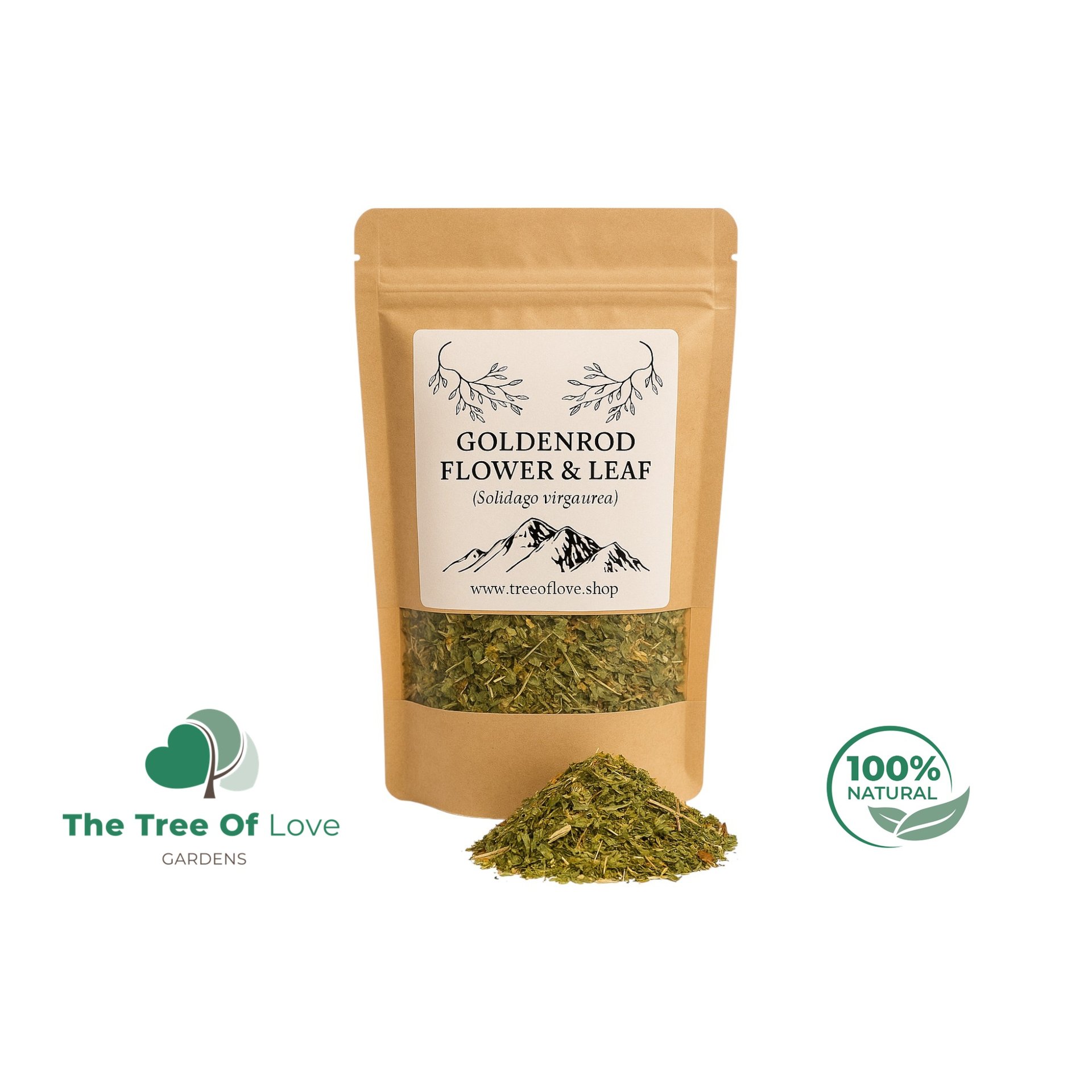
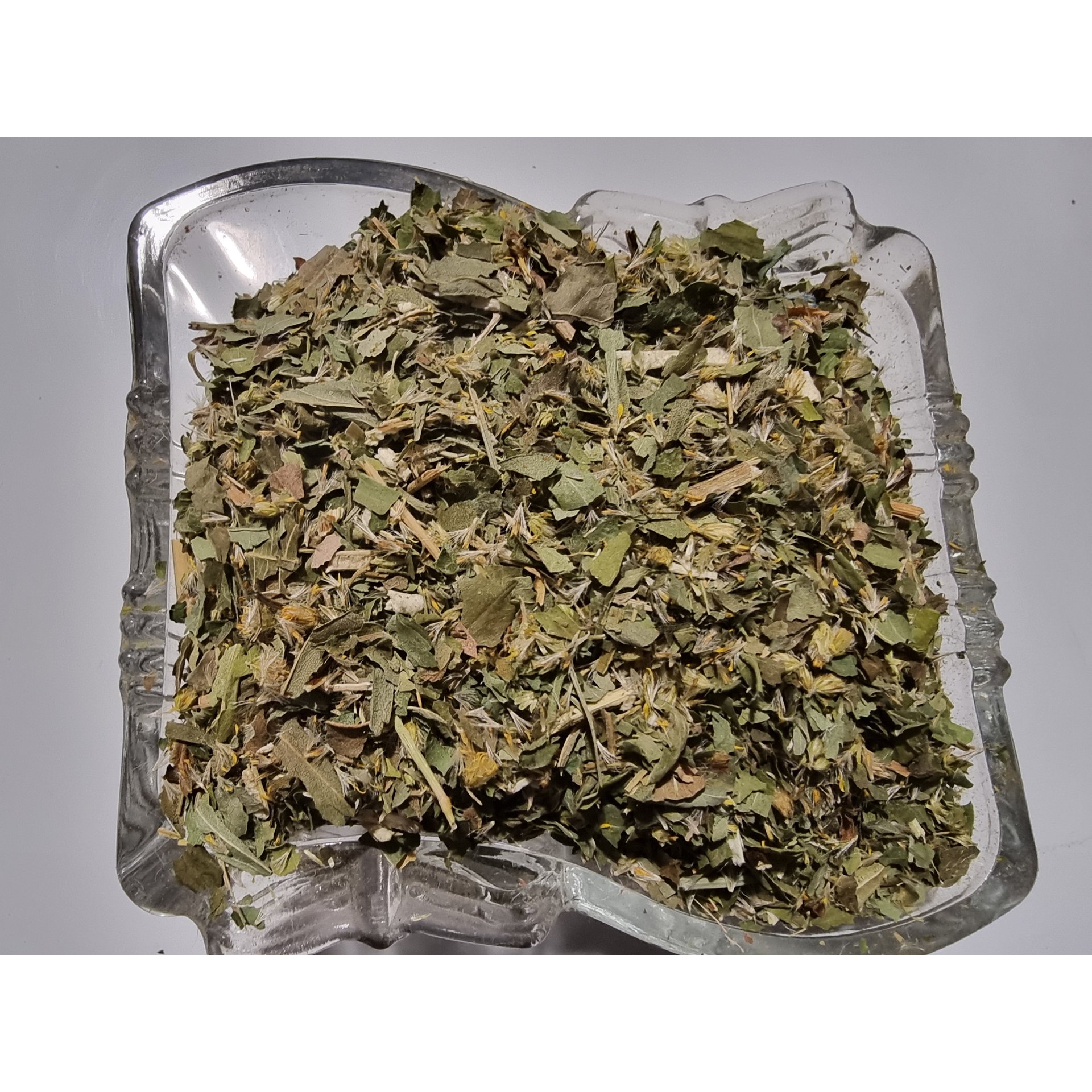
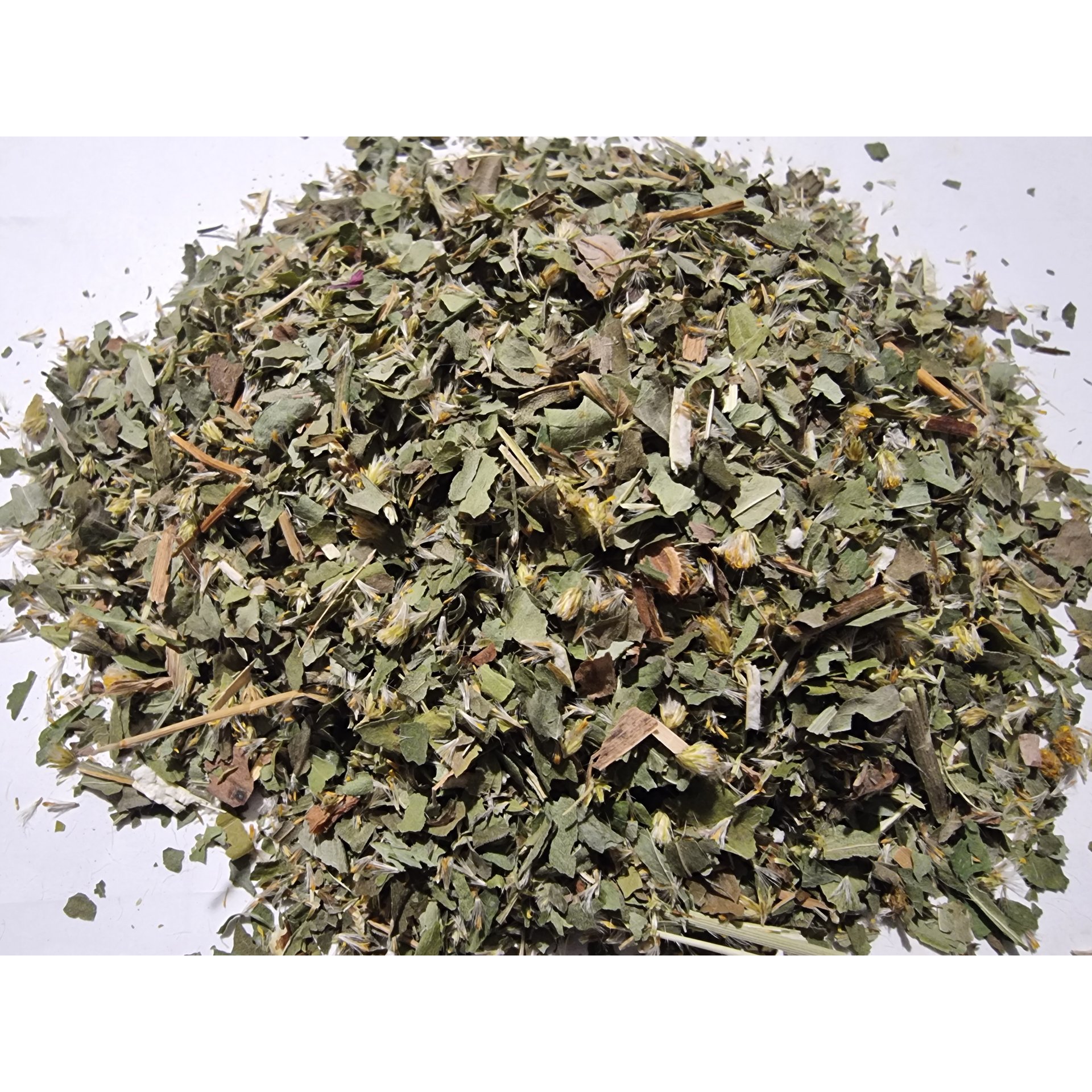
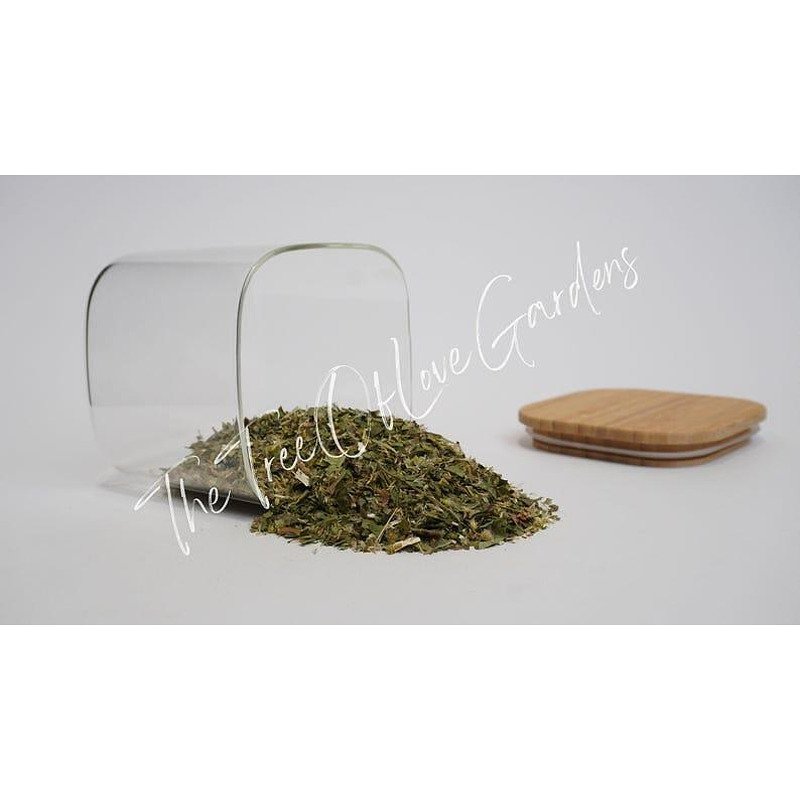
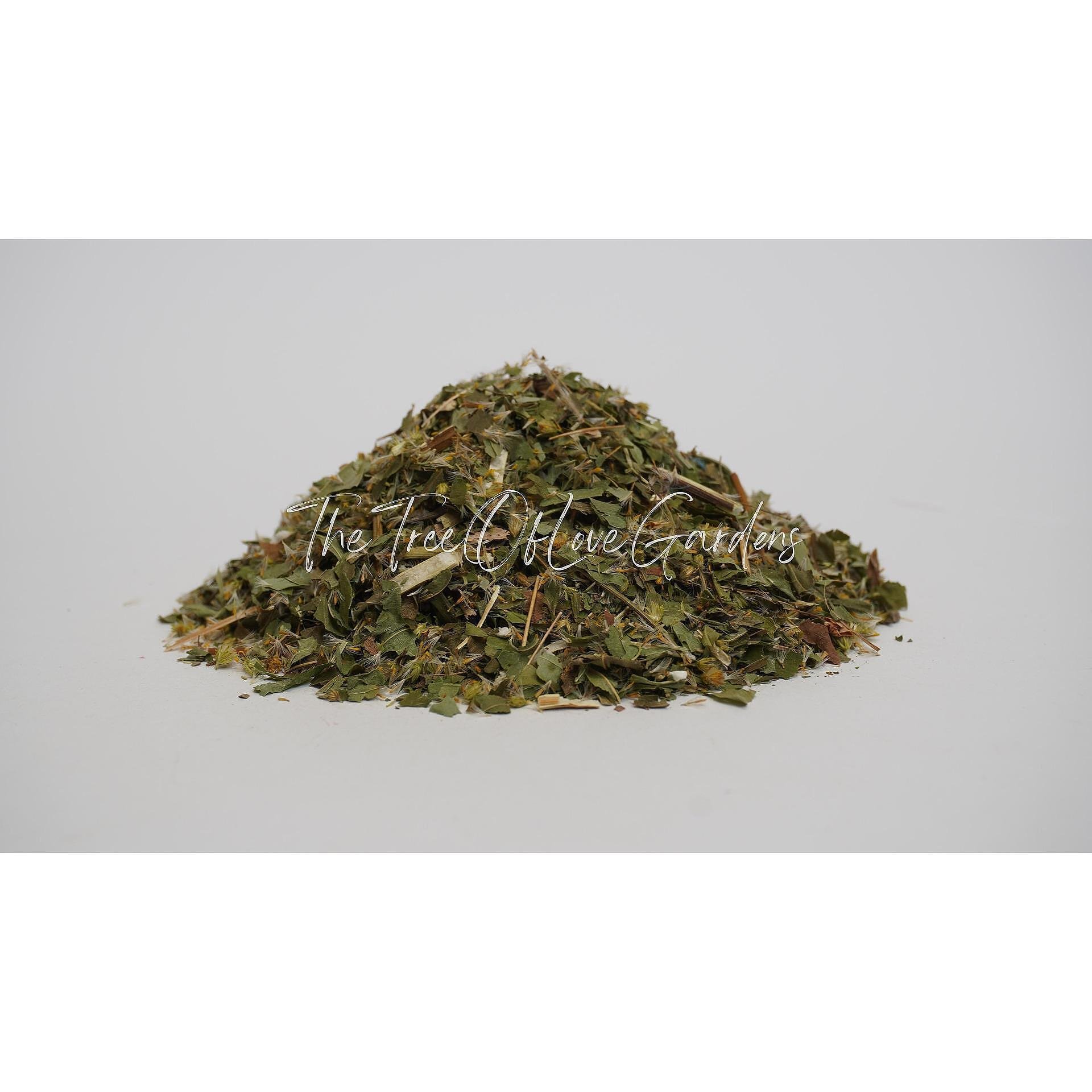
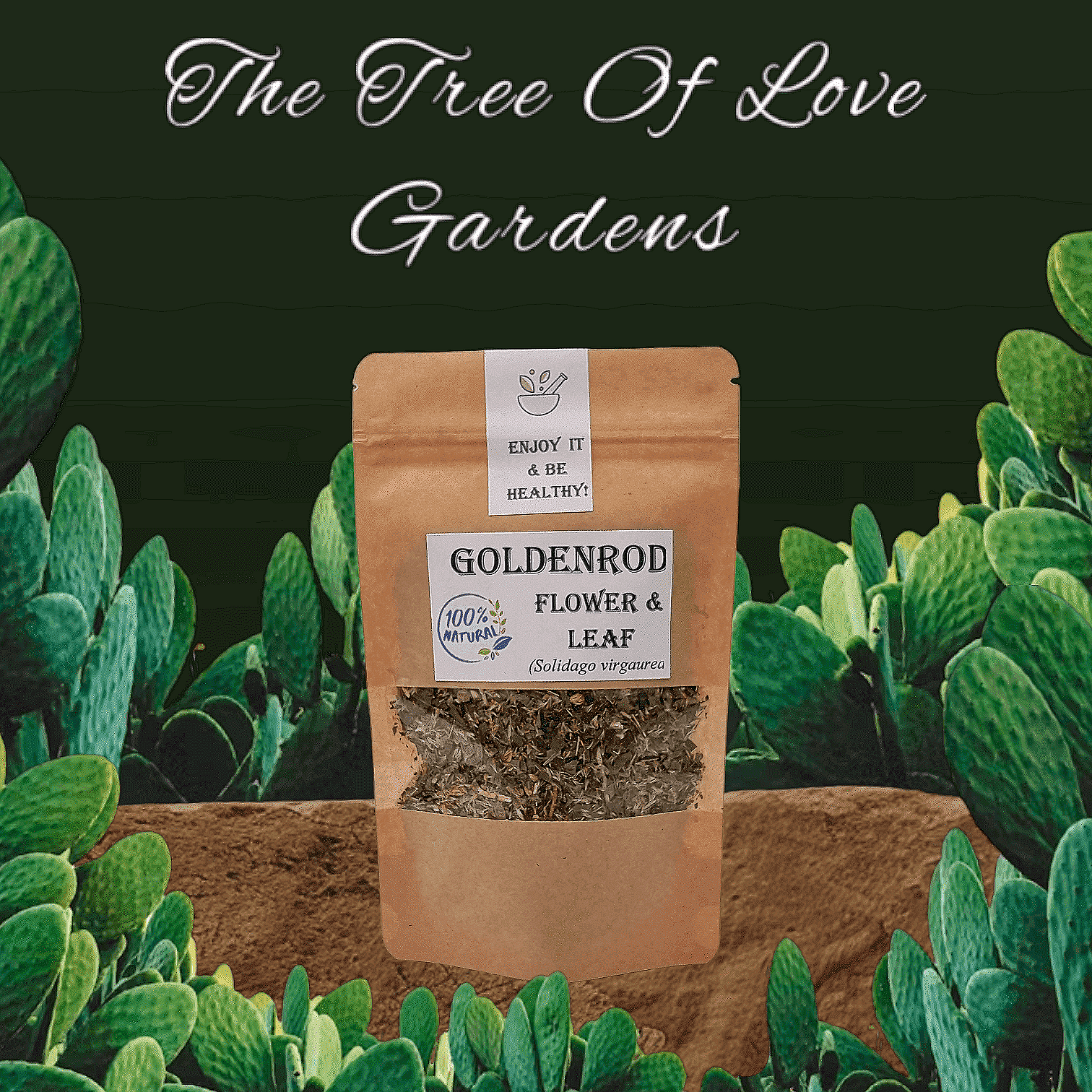
Our goldenrod contains only dried Solidago flowers and leaves. It is sold by weight, from small packs to bulk.
How to Use Goldenrod Flower and Leaf
- Herbal tea: Use 1 to 2 teaspoons (about 1.5 to 3 g) per cup (8 fl oz / 250 ml). Pour over boiling water, cover and steep for 10 minutes, then strain.
- Blends: Combine with peppermint, lemon balm or nettle for a softer taste.
- Natural yellow dye: Simmer the herb for 1 hour, strain and dye alum-mordanted wool or silk for bright yellows.
Safety
Avoid if you are allergic to plants of the daisy family (Asteraceae). Do not use if you have kidney or heart conditions that require you to limit fluids. If you are pregnant, nursing, taking medication or have a medical condition, consult a qualified healthcare professional before use. Keep out of reach of children.
Read our full guide: How to brew goldenrod tea: our guide
Frequently Asked Questions
Does goldenrod cause hay fever?
Usually not. Goldenrod pollen is heavy and carried by insects. Ragweed, which blooms at the same time, is the more common cause of fall allergies.
Which parts are used for goldenrod tea?
The dried flowering tops and leaves.
What does goldenrod tea taste like?
It is grassy, slightly bitter and astringent. Honey or mint softens the taste.
Can I use goldenrod for dyeing?
Yes. Goldenrod gives bright yellow colors on wool and silk mordanted with alum.
How should I store goldenrod?
Keep it in an airtight container in a cool, dry and dark place.

Reviews
There are no reviews yet.