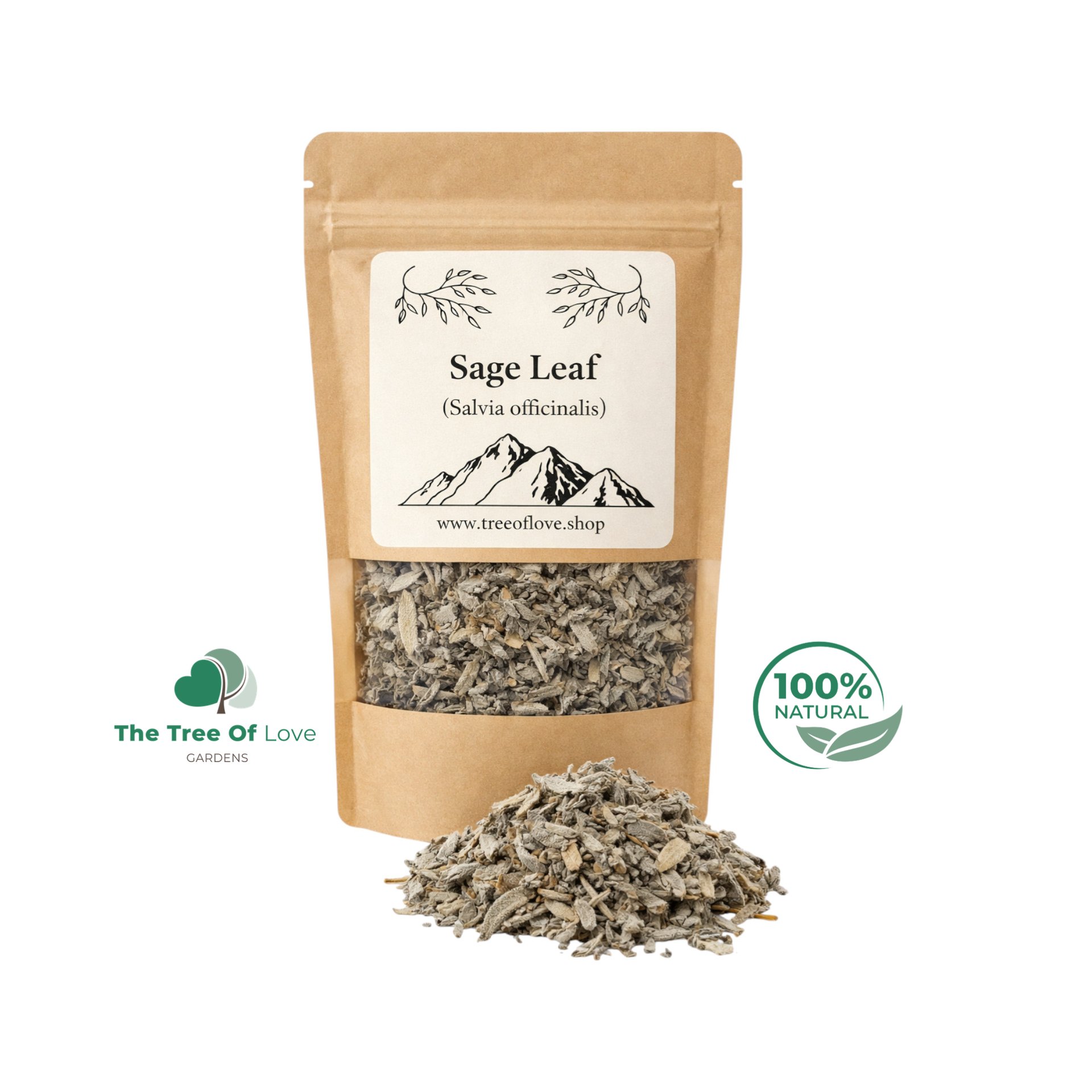
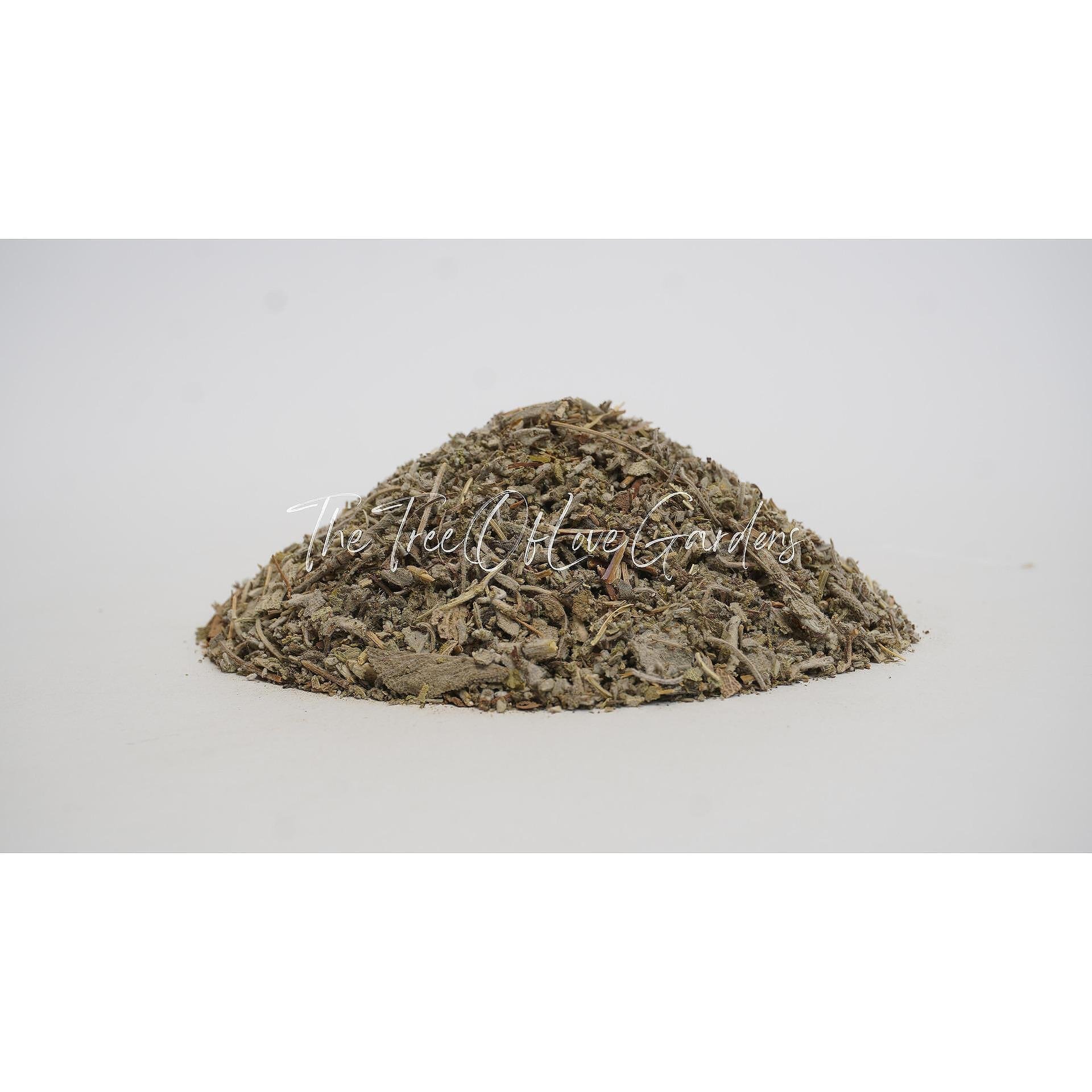
Sage Leaf Tea | Dried Salvia officinalis Leaves

From € 2.43

  • Dried leaves of garden sage, Salvia officinalis
  • Strong, warm and earthy herbal aroma
  • For sage tea, gargles and herbal blends
  • A classic kitchen herb for poultry, pork and stuffing
  • Available from small packs to bulk sizes

How to brew sage leaf tea: our step-by-step guide

  • Wildcrafted & 100% natural
  • Packed fresh in small batches
  • Secure checkout

What Is Sage Leaf Tea?

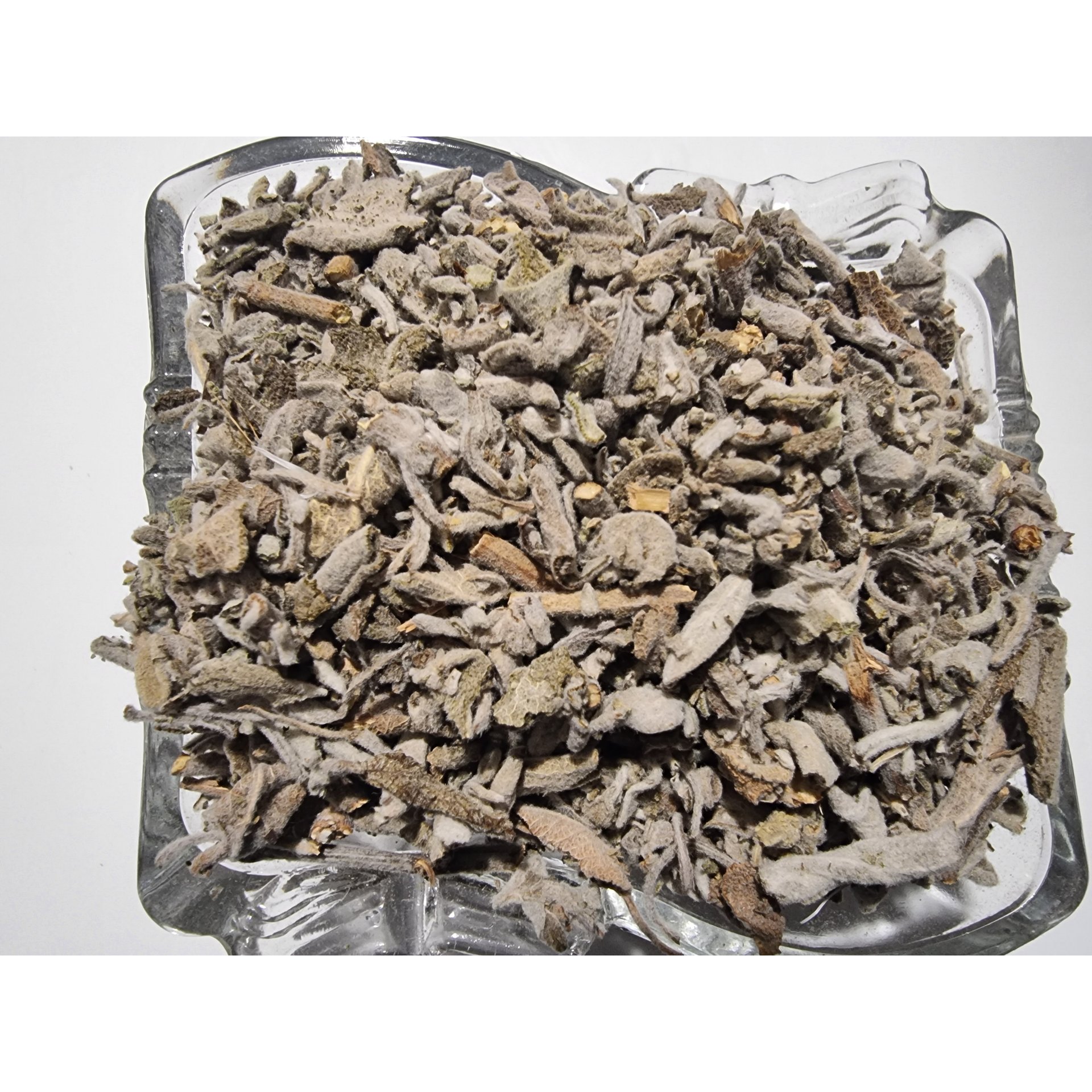
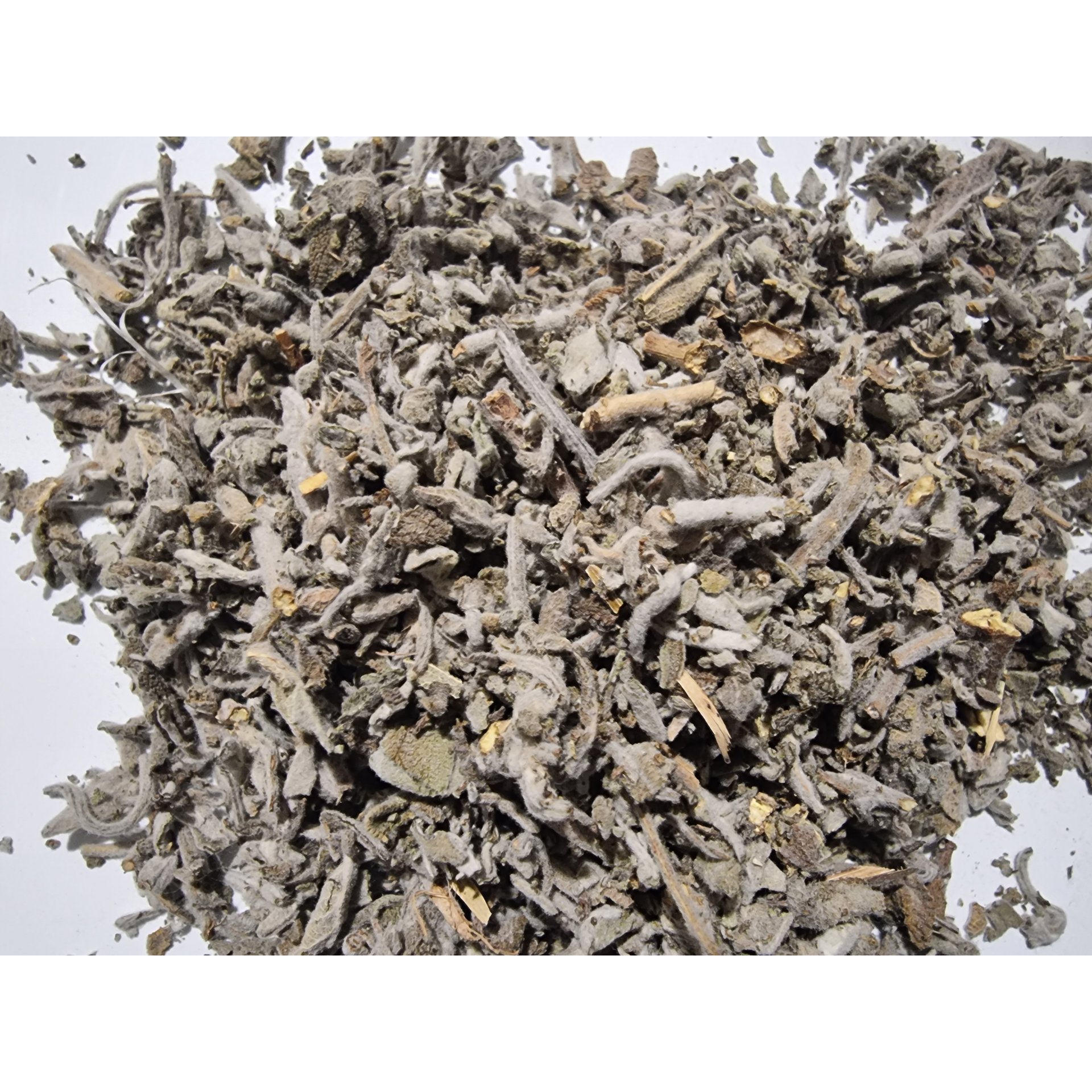
Sage leaf tea is made from the dried leaves of garden sage (Salvia officinalis), an evergreen shrub of the mint family native to the Mediterranean. Its soft, velvety, gray-green leaves have a warm, earthy and slightly peppery aroma that becomes stronger when the leaves are rubbed.

The botanical name Salvia comes from the Latin salvere, to be well. Sage has been grown in European monastery and kitchen gardens since the Middle Ages, and sage tea, or salvia tea, has been a household drink in Southern and Eastern Europe for generations.

As a tea, sage gives a golden-green cup with a strong, herbal, slightly bitter and camphor-like taste. It is often sweetened with honey and served with a slice of lemon. Cooled sage tea is also traditionally used as a gargle and mouth rinse.

In the kitchen, the whole and cut leaves can be crumbled into stuffing, sausage, beans and roasted vegetables, or fried in butter. Many people also tie the dried leaves into bundles to burn as a fragrant smudge, or add them to homemade herb salt.

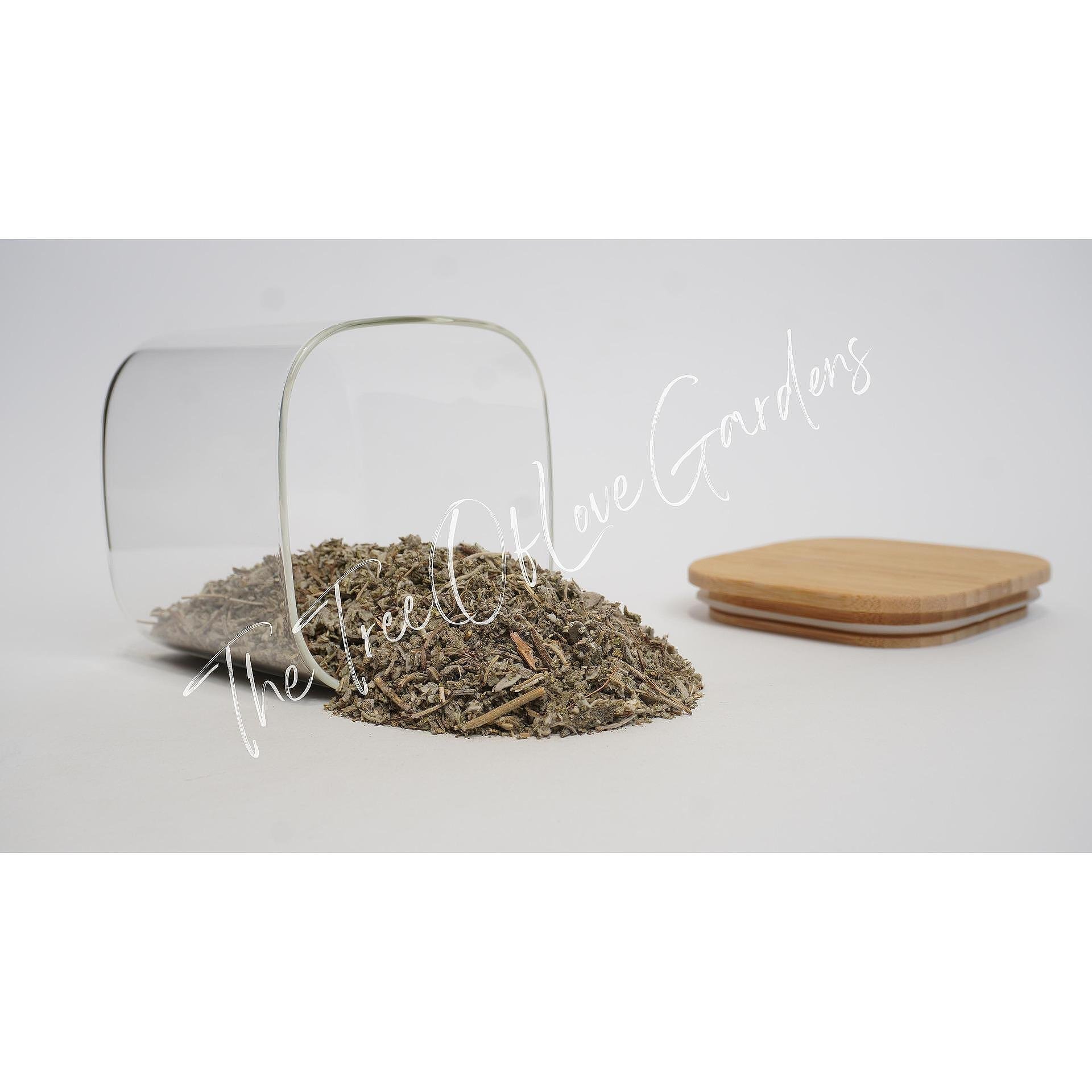
Our sage leaf contains only dried Salvia officinalis leaves with nothing added. It is sold by weight, from small packs to bulk.
How to Use Sage Leaf Tea

  • Sage tea: Use 1 teaspoon (about 1 to 1.5 g) of dried leaves per cup (8 fl oz / 250 ml). Pour over boiling water, cover and steep for 5 to 10 minutes, then strain. Add honey and lemon to taste.
  • Gargle: Let a cup of sage tea cool and use as a gargle or mouth rinse.
  • Cooking: Crumble the leaves into stuffing, sausage, bean soups or brown butter.

Safety

Sage contains thujone. Drink sage tea in moderation and not daily for long periods. Do not use as a tea during pregnancy or while nursing, or if you have epilepsy. Keep out of reach of children.

Read our full guide: How to brew sage leaf tea: our step-by-step guide

Frequently Asked Questions

Is salvia tea the same as sage tea?

Yes. Salvia is the botanical name of sage, so salvia tea and sage tea are the same.

What does sage tea taste like?

It is strong, herbal and slightly bitter, with a warm, camphor-like aroma.

Is this culinary sage?

Yes. It is garden sage, Salvia officinalis, used in cooking and for tea.

Is sage tea caffeine free?

Yes. Sage contains no caffeine.

How should I store sage leaves?

Keep them in an airtight container in a cool, dry and dark place.

Sage Leaf Tea Specifications

Common name Sage, garden sage, salvia
Botanical name Salvia officinalis
Family Lamiaceae (mint family)
Plant part Leaves
Form Dried, whole and cut
Ingredients 100% sage leaves
Aroma and taste Warm, earthy, slightly bitter
Caffeine None
Uses Herbal tea, gargle, cooking, smudge bundles
Pack sizes From small packs to bulk
Storage Airtight, cool, dry and dark
Weight 0.01 kg
Weight

1 oz (28 grams), 2 oz (57 grams), 3 oz (85 grams), 4 oz (114 grams), 6 oz ( 170 grams), 8 oz (226 grams), 1 lb ( 454 grams), 2 lbs ( 907 grams), 3 lbs ( 1361 grams)o, 4 lbs ( 1814 grams), 1/4 oz (7 grams), 1/2 oz ( 14 grams )

Reviews

There are no reviews yet.

Be the first to review “Sage Leaf Tea | Dried Salvia officinalis Leaves”

Your email address will not be published. Required fields are marked *