What Are Walnut Hulls?
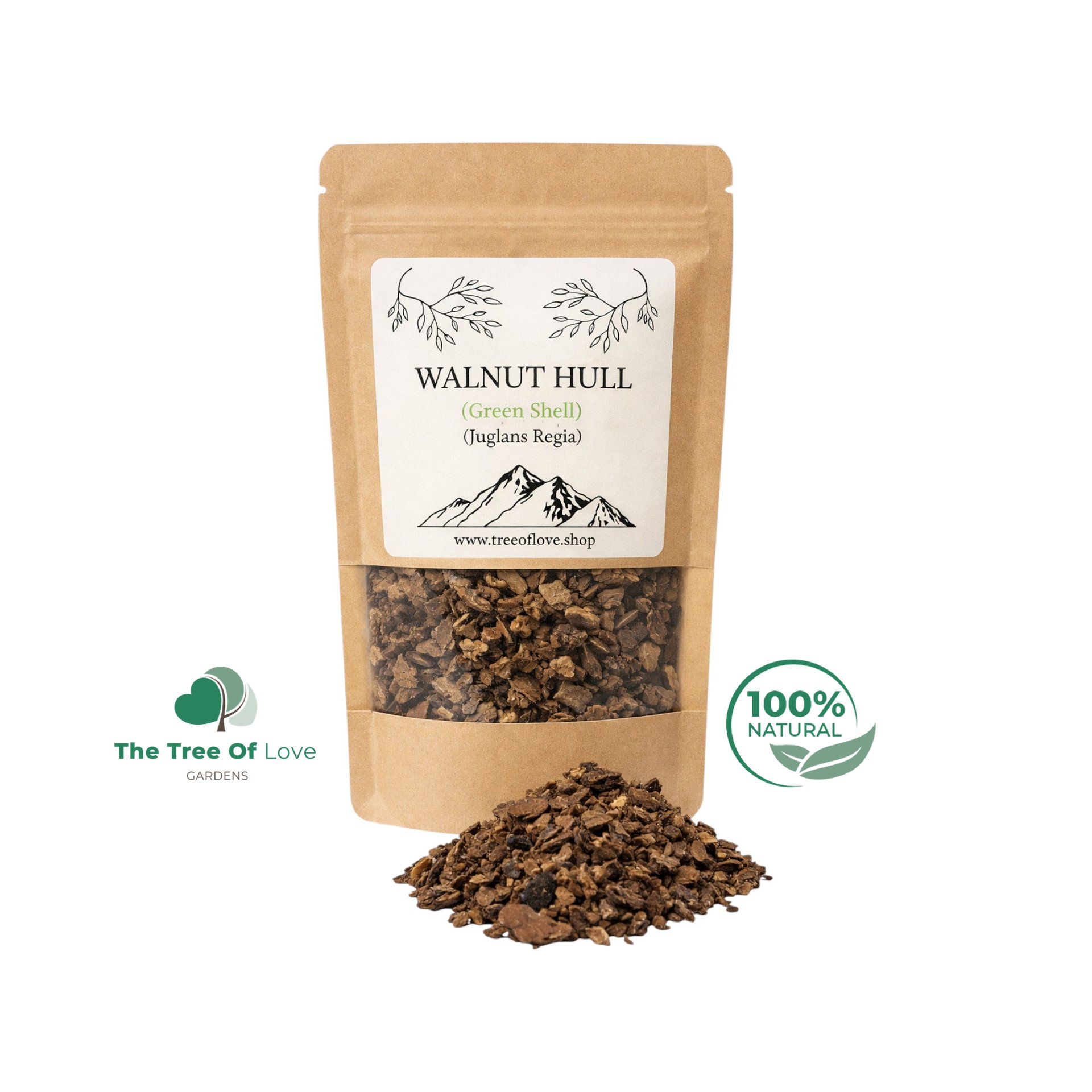
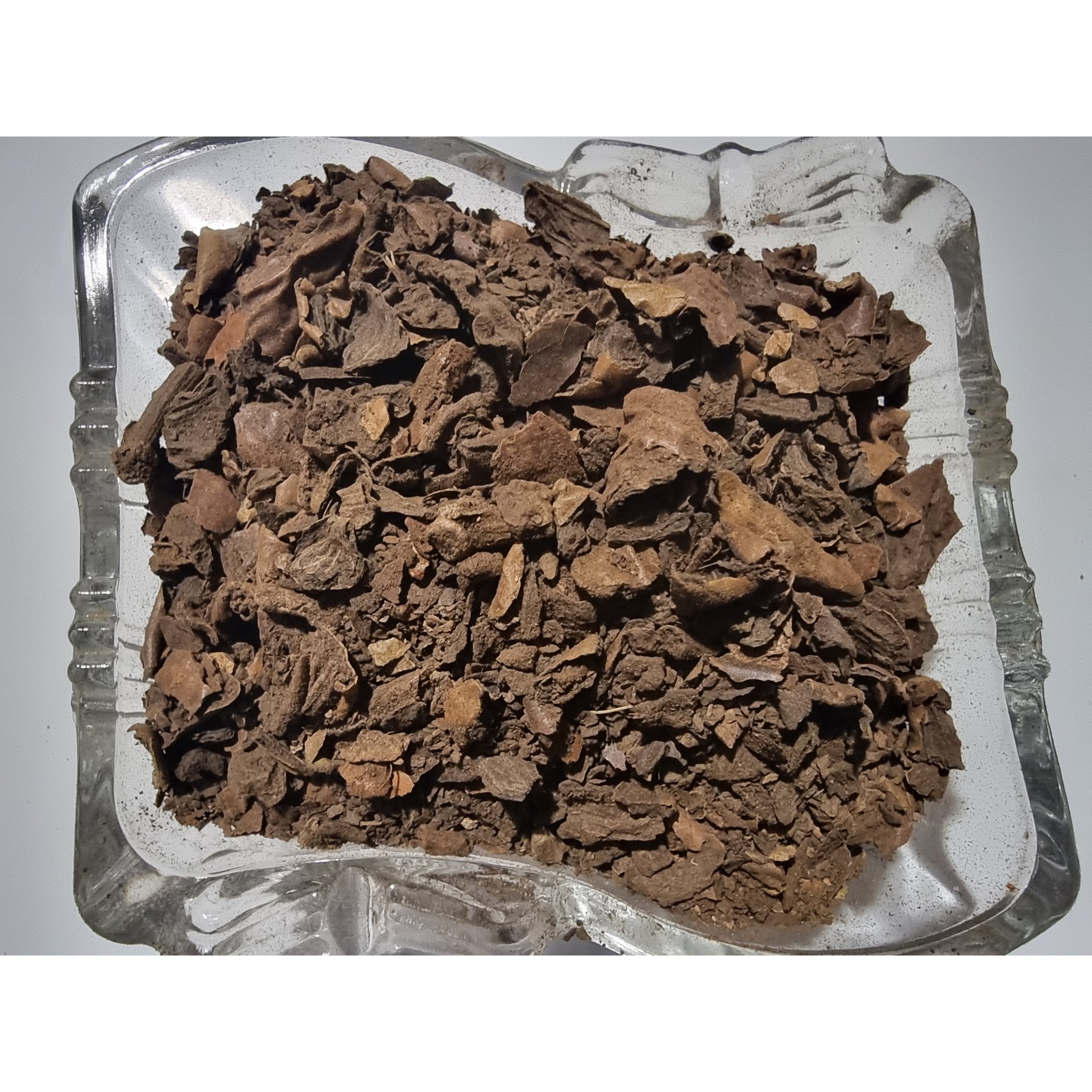
Walnut hulls are the thick, green outer husks that surround the walnut shell while the nut grows on the tree. Ours come from the English or Persian walnut (Juglans regia). As the hulls ripen and dry they turn dark brown to black, and they are rich in natural tannins and the brown pigment juglone.
That pigment is why walnut hulls have been one of the most important natural dyes in history. They give warm brown, sepia, tan and coffee tones without the need for a mordant, and the color is very lightfast. Walnut ink, made by simmering hulls in water, was used by artists and scribes for centuries, and many old drawings and manuscripts were made with it.
Today walnut hulls are used by natural dyers, calligraphers, ink makers, woodworkers and fiber artists. They dye wool, silk, cotton and linen, stain wood and paper, and make a rich brown ink for drawing and lettering.
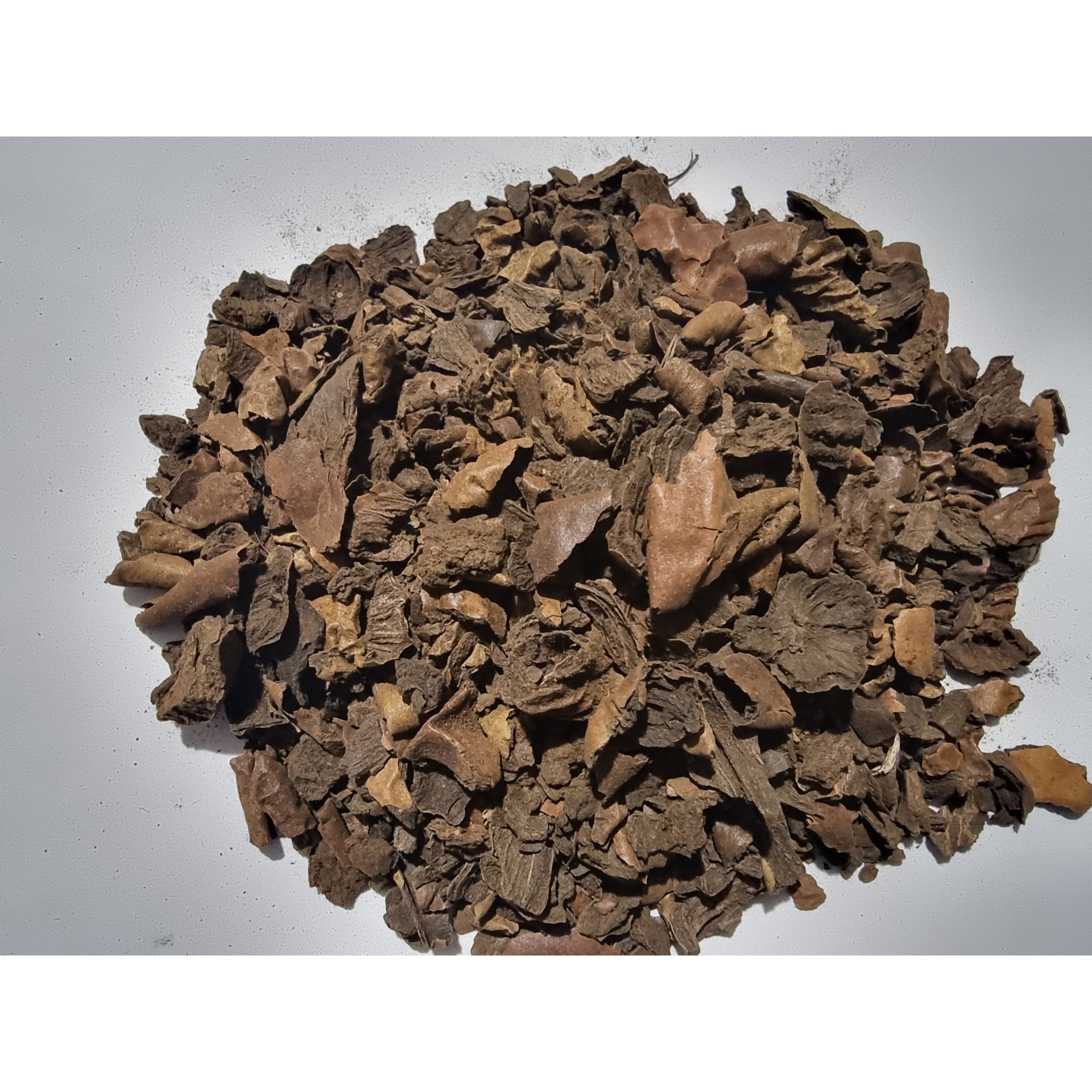
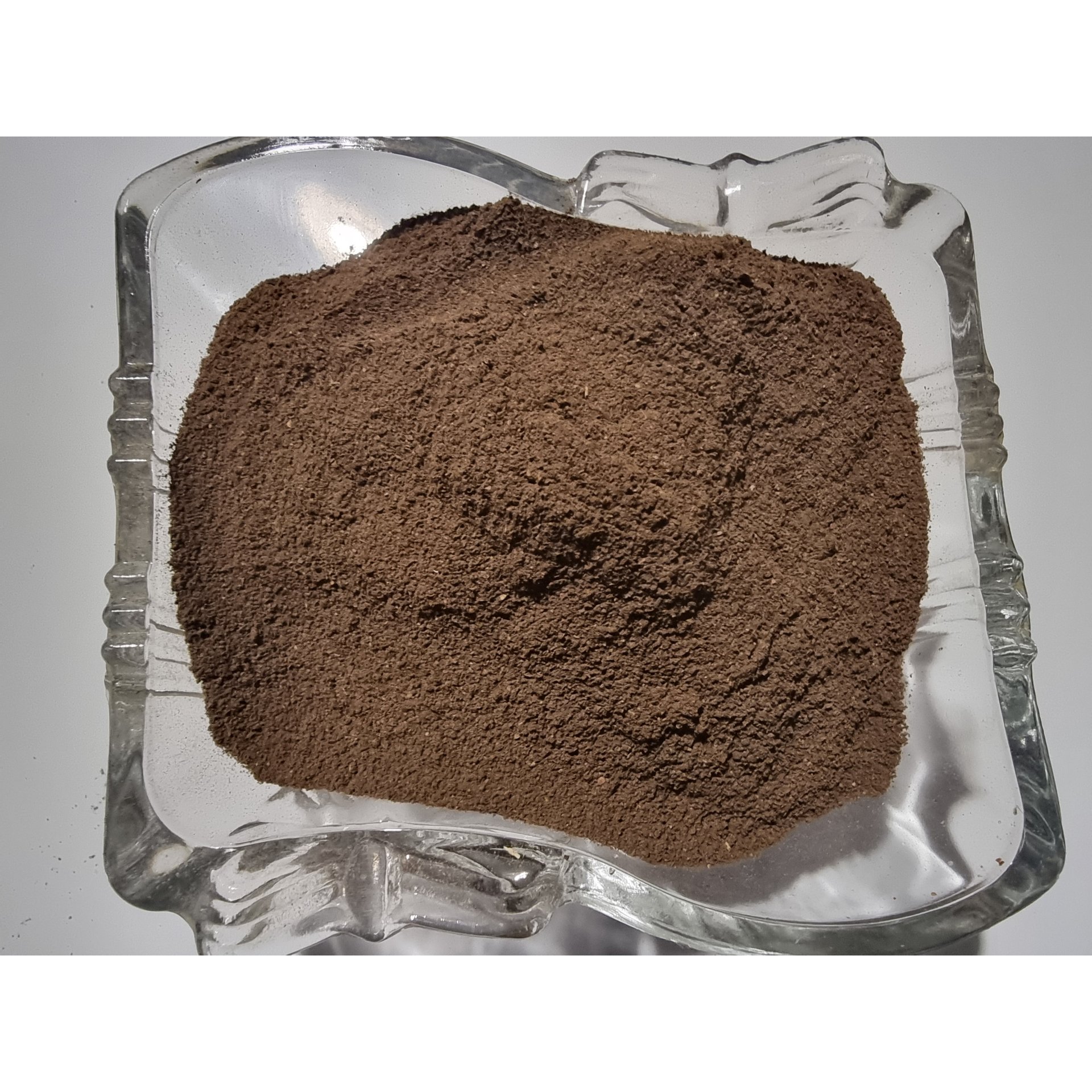
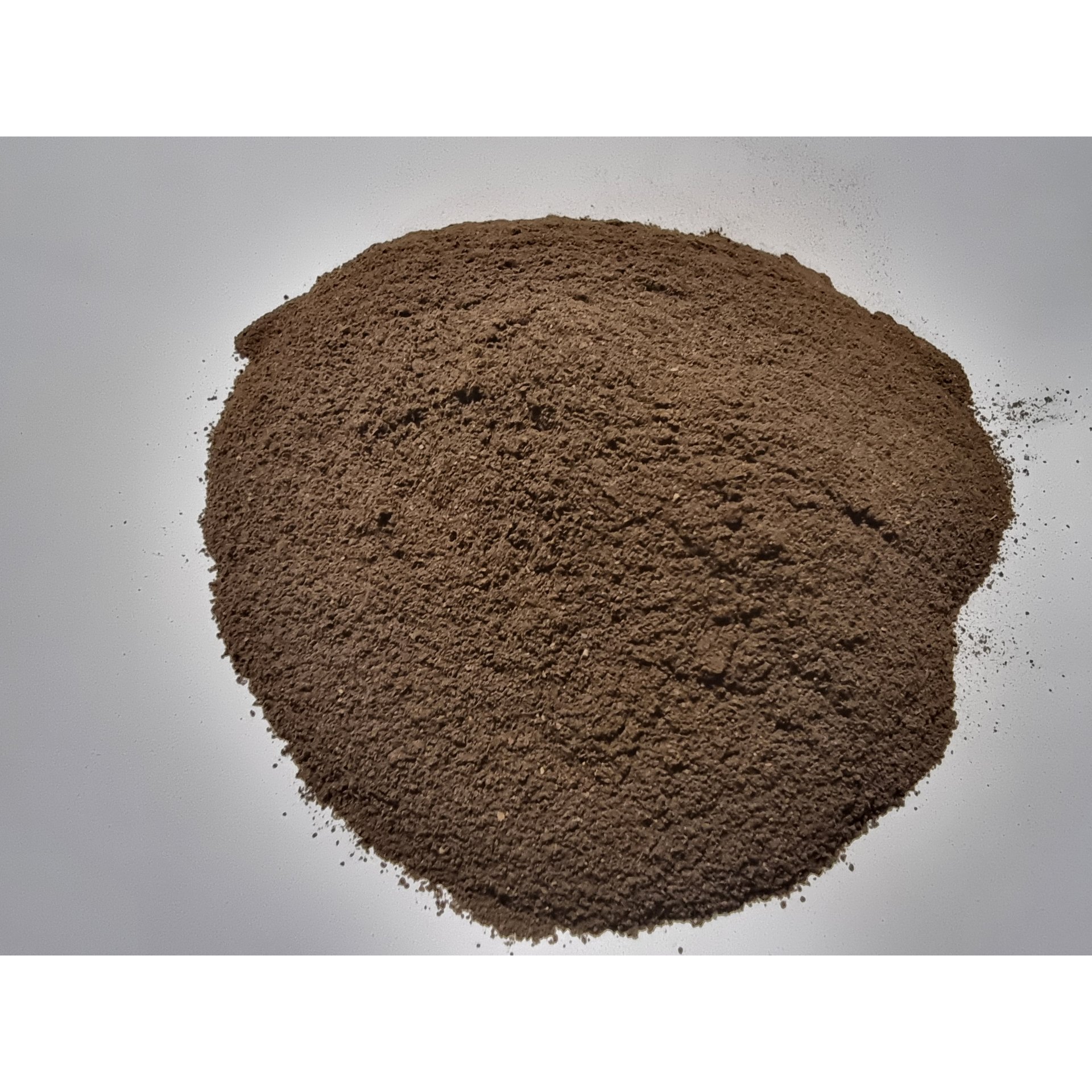
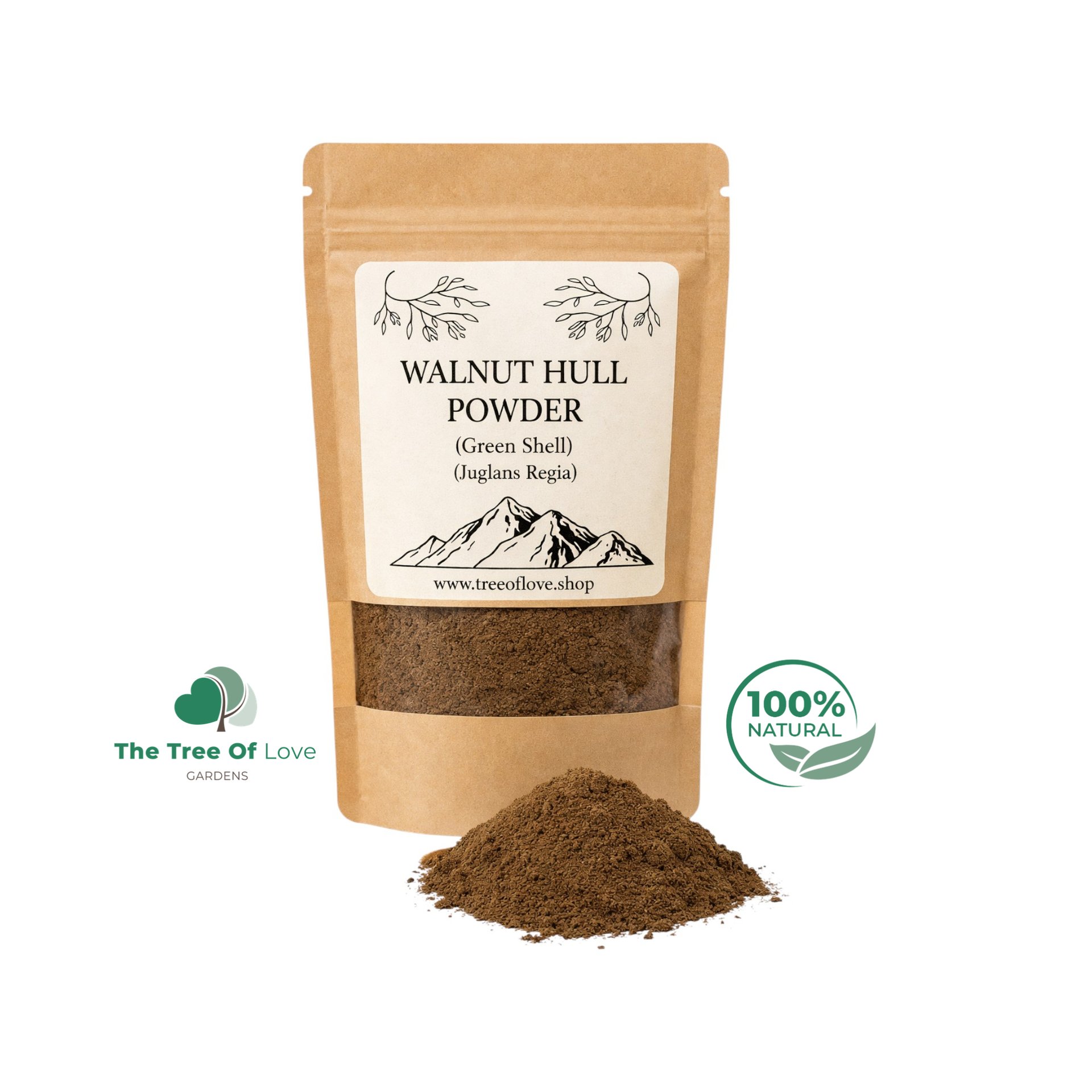
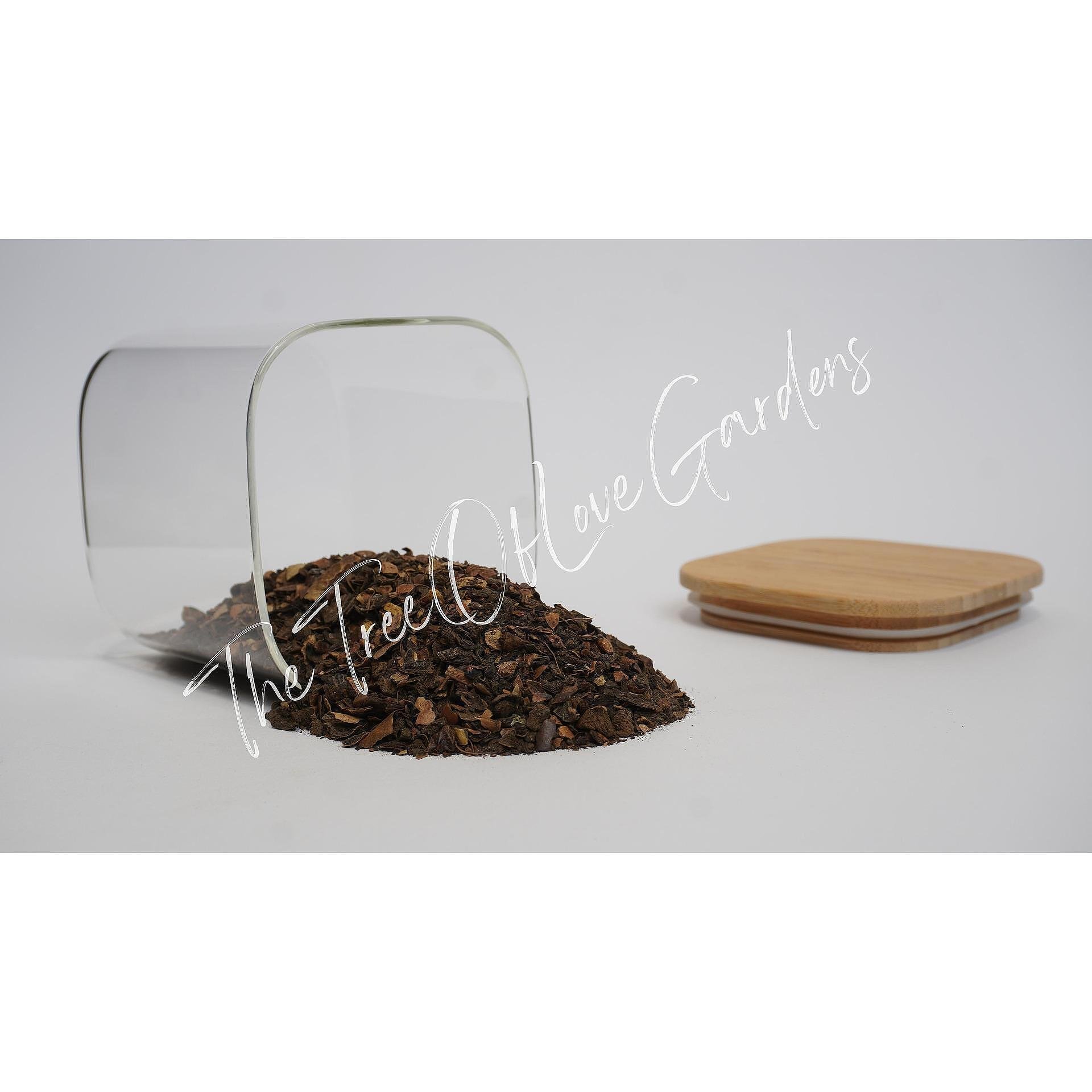
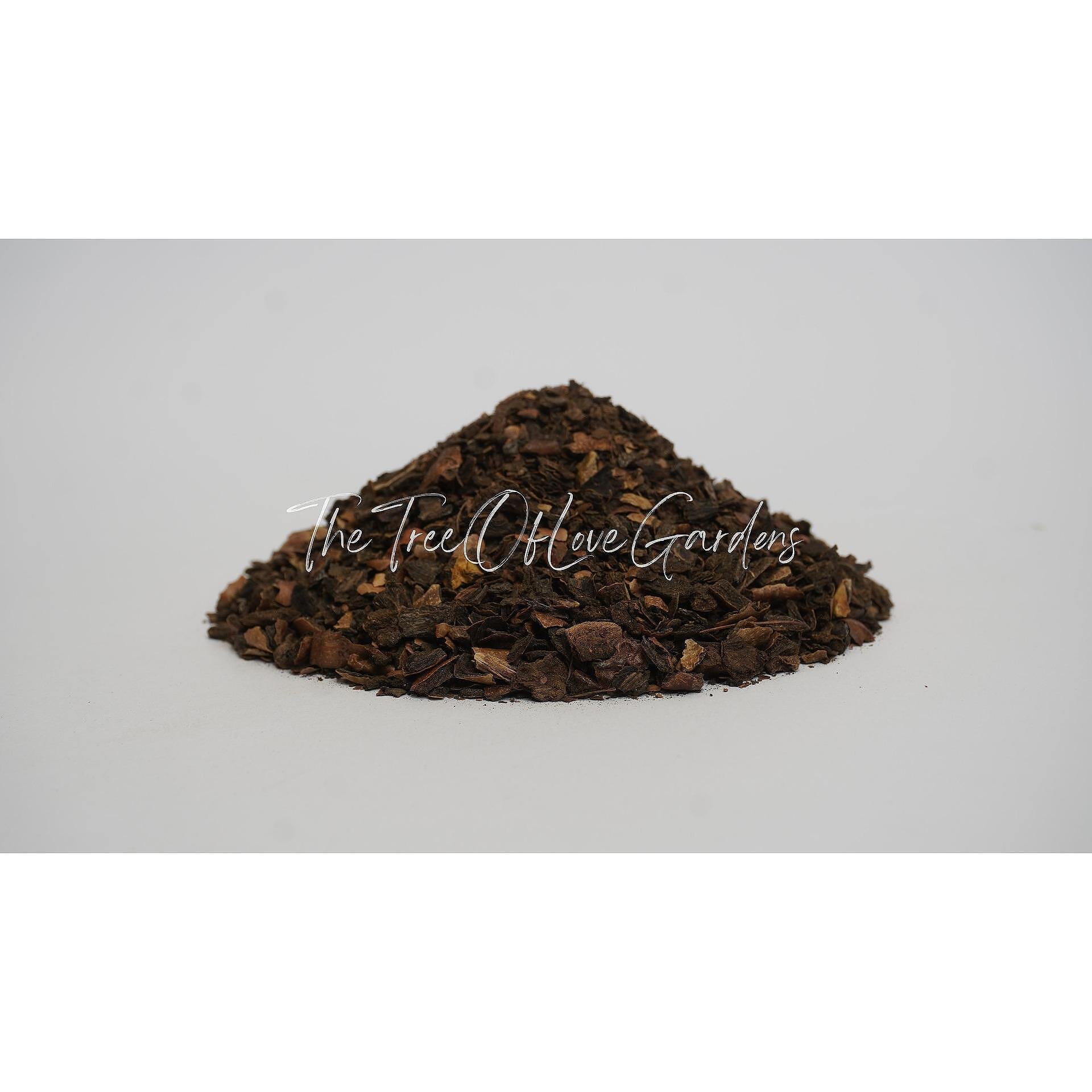
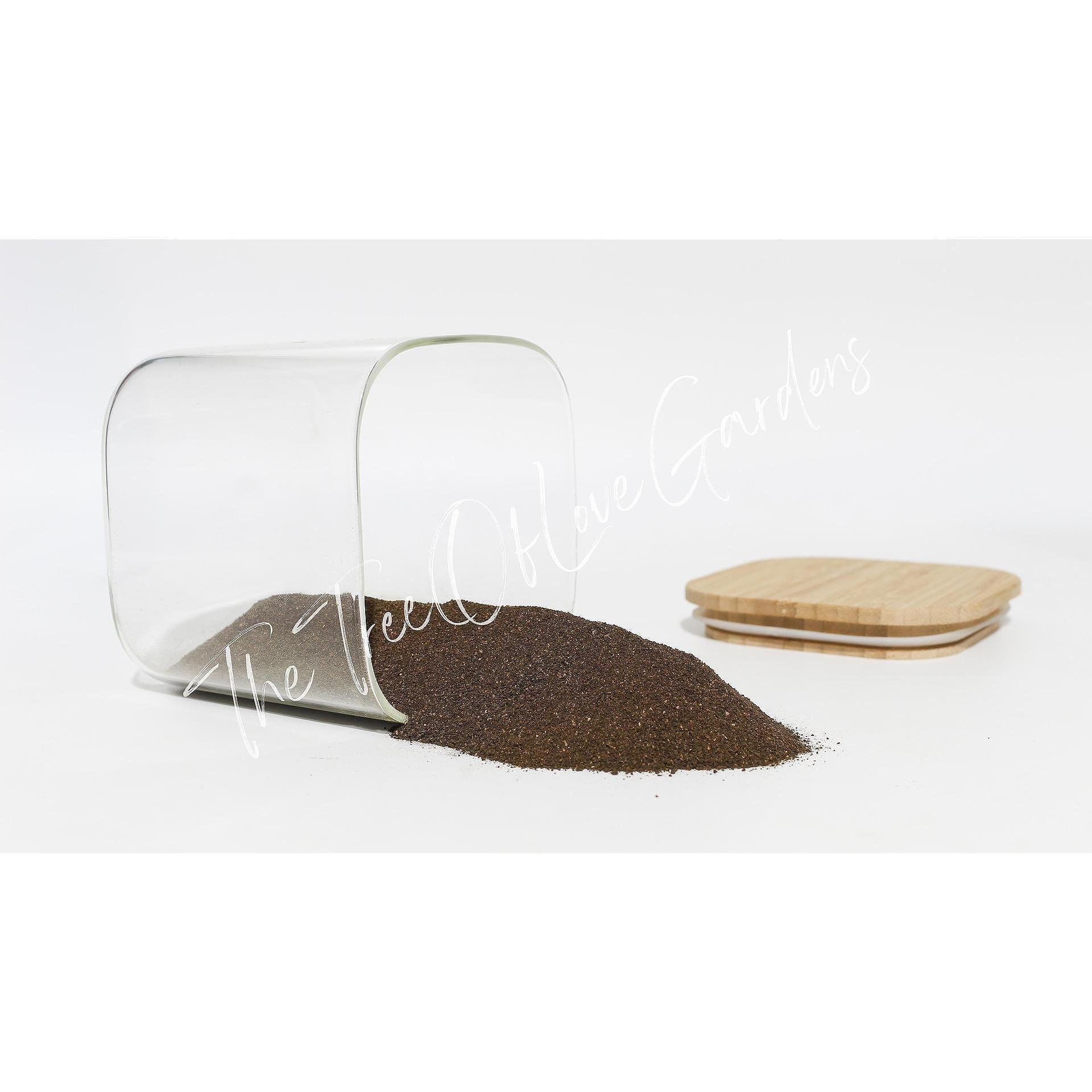
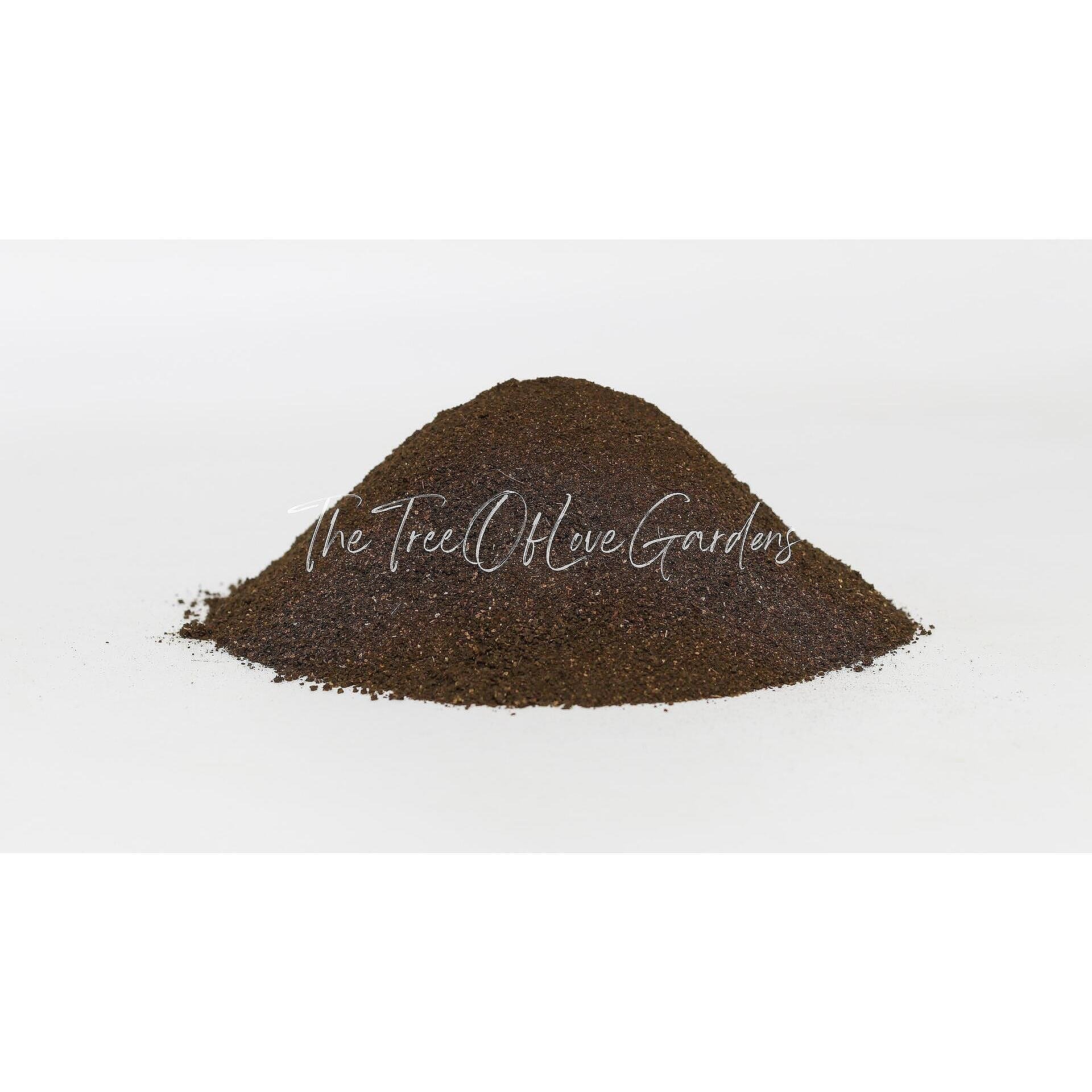
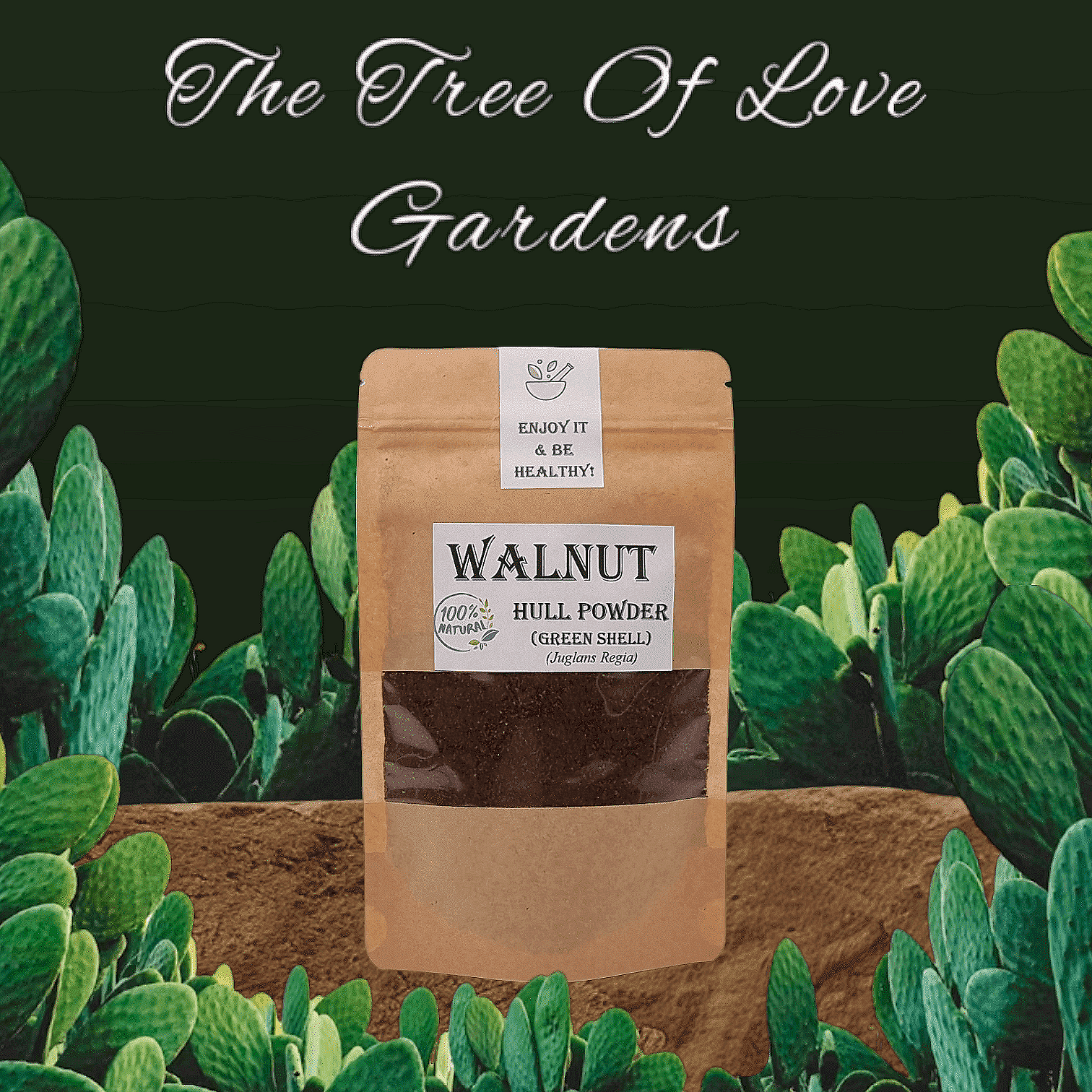
We offer walnut hulls cut into pieces, which are easy to strain, or as a fine powder, which releases color faster.
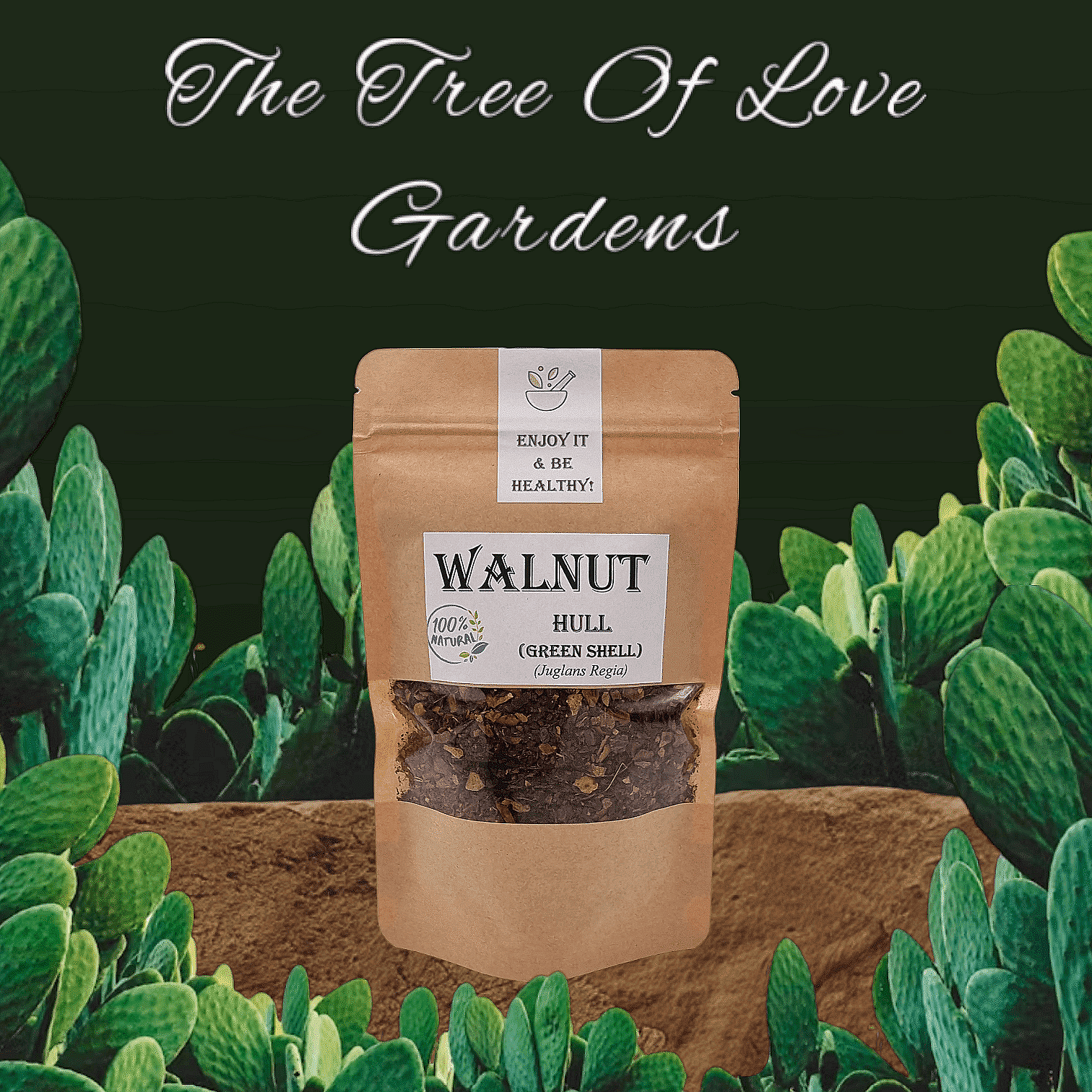
Our walnut hulls contain only dried Juglans regia hulls. They are sold by weight, from small packs to bulk.
How to Use Walnut Hull
- Walnut ink: Simmer 1/2 cup (about 50 g) of hulls in 2 cups (500 ml) of water for 1 to 2 hours, until dark. Strain through a fine cloth, reduce further for a deeper color and add a few drops of vinegar to keep it fresh.
- Fabric and wool dye: Soak the hulls overnight, simmer for 1 hour, strain, then add wet fiber and simmer gently for 30 to 60 minutes. No mordant is needed.
- Wood stain: Brush strained, reduced walnut dye onto bare wood and let it dry. Repeat for a darker tone.
Safety
For dyeing and craft use. Not for internal use. Wear gloves, as walnut hulls stain skin and surfaces strongly. Avoid if you are allergic to tree nuts. Keep away from pets, especially dogs and horses. Keep out of reach of children.
Read our full guide: How to make walnut hull dye and ink: step-by-step
Frequently Asked Questions
Do I need a mordant for walnut dye?
No. Walnut hulls contain tannins that let the color bind to fibers without a mordant. A mordant can change the shade.
Cut or powder, which should I choose?
Cut hulls are easier to strain and good for dye baths. Powder releases color faster and is handy for small batches of ink.
What colors does walnut hull give?
Light tan to deep chocolate brown, depending on concentration, fiber and dyeing time.
Is this black walnut?
No. This is the English or Persian walnut, Juglans regia. Black walnut is Juglans nigra.
Will walnut hulls stain my hands?
Yes. The color stains skin, nails and surfaces strongly. Wear gloves and cover your work area.

Reviews
There are no reviews yet.