What Are Culinary Poppy Seeds?
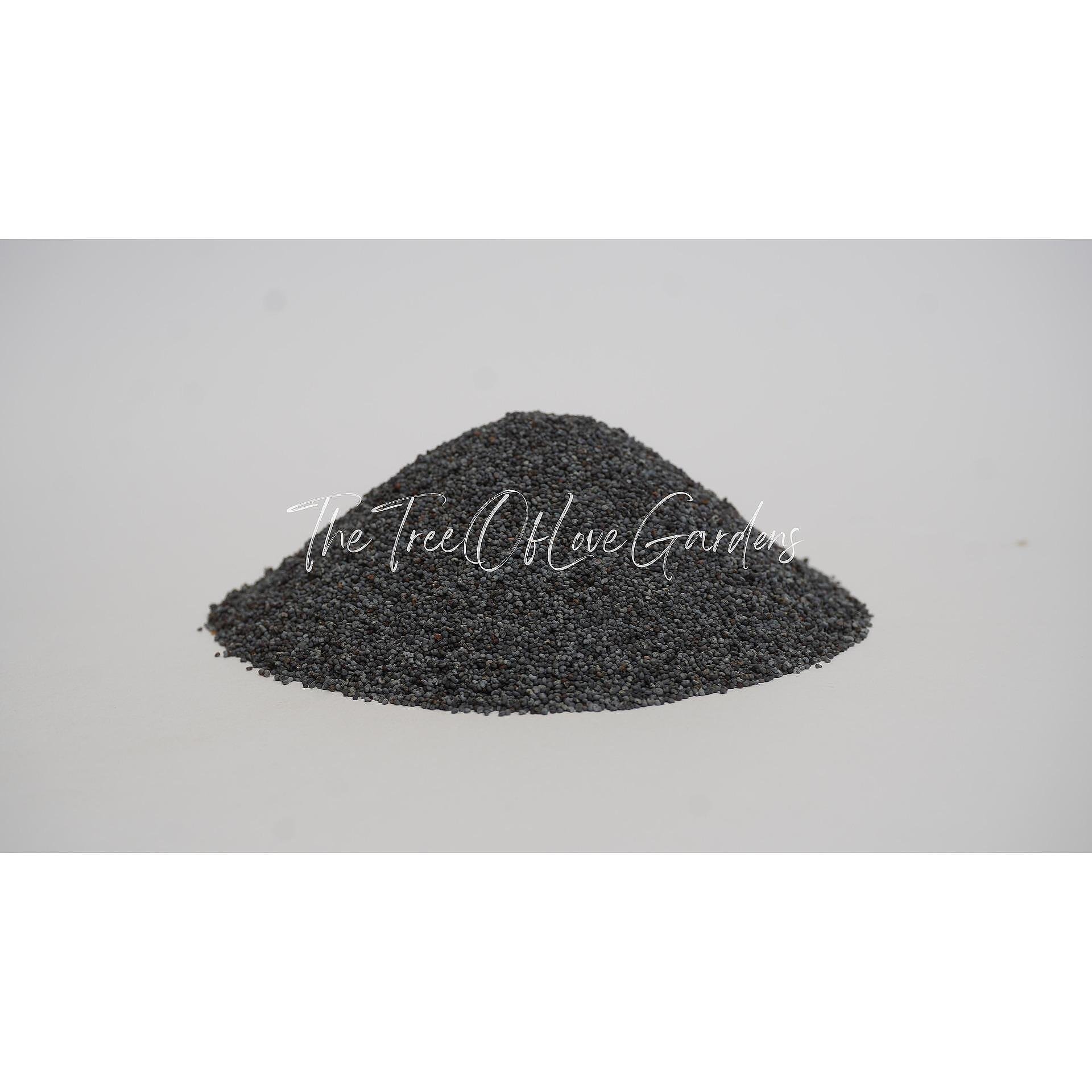
Poppy seeds are the tiny, kidney-shaped seeds of the poppy plant (Papaver somniferum), one of the oldest cultivated plants, grown in the Mediterranean and Central Europe since the Stone Age. A single poppy capsule can hold thousands of seeds, and it takes more than three thousand seeds to make one gram.
Culinary poppy seeds have a mild, nutty and slightly sweet flavor and a pleasant crunch. Toasting or grinding them brings out a richer, almost buttery aroma.
Poppy seeds are a classic baking ingredient across Europe, the Middle East and India. They top bagels, rolls and pretzels, give lemon poppy seed cake and muffins their speckled look, and are ground with sugar and milk into the sweet filling of Central European strudel, makowiec and hamantaschen. In Indian cooking, ground white poppy seeds (khus khus) thicken curries and kormas, and in Eastern Europe they are tossed with noodles and butter.
They also add crunch to salad dressings, coleslaw, granola and homemade crackers, and they pair especially well with lemon, orange, honey and almond.
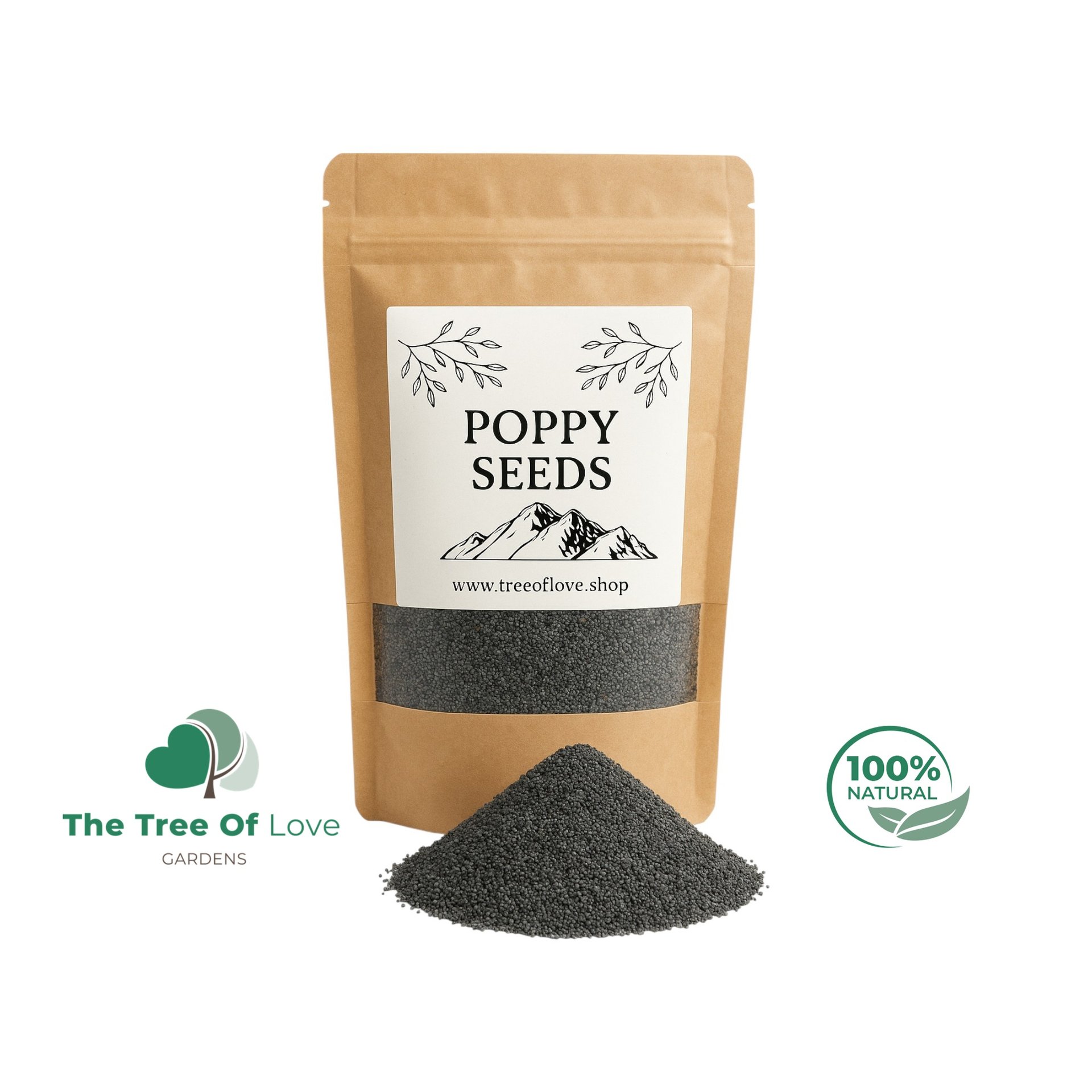
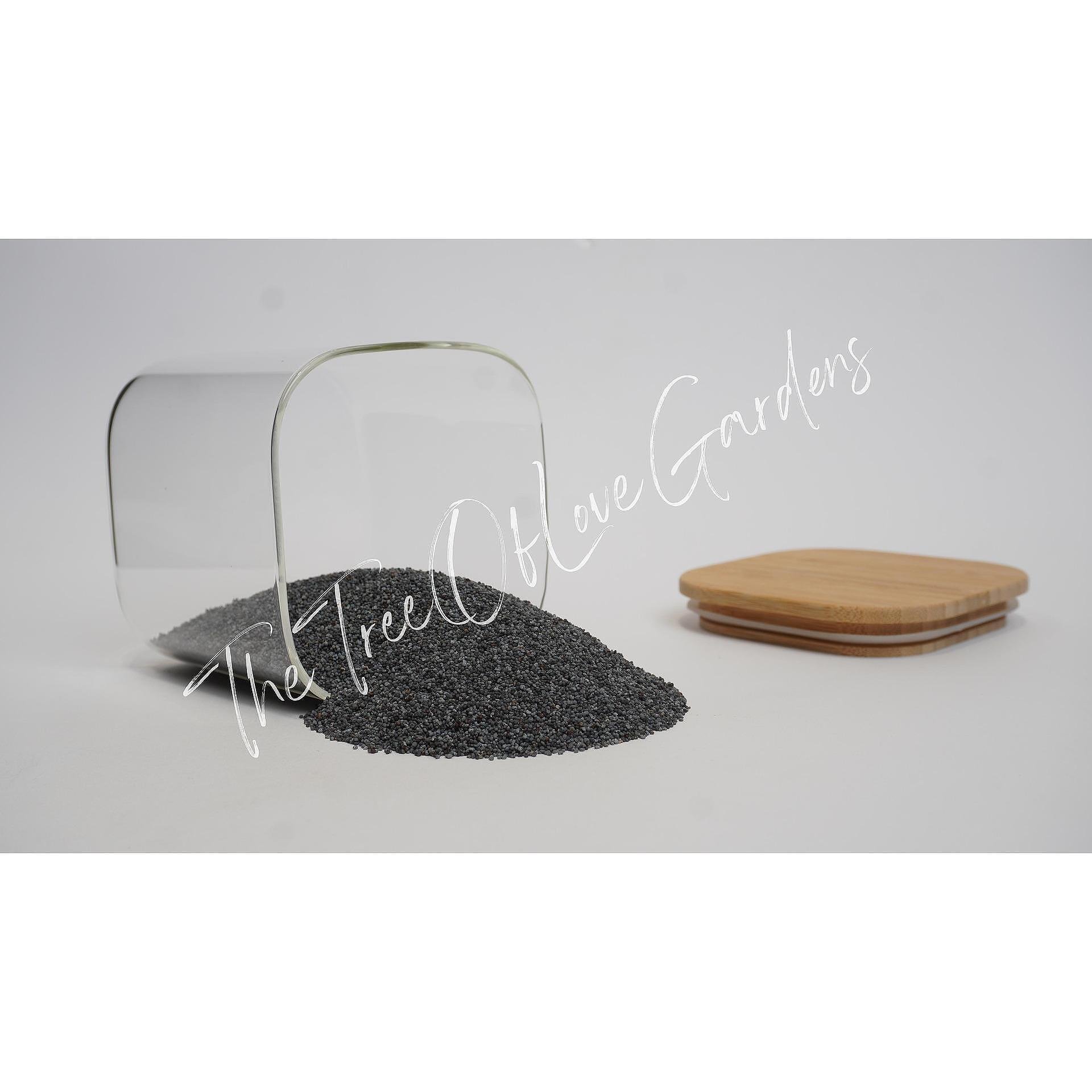
Our poppy seeds are whole culinary seeds with nothing added, sold for cooking and baking only. They are sold by weight, from small packs to bulk.
How to Use Poppy Seeds
- Topping: Brush bread, rolls or bagels with egg wash and sprinkle with poppy seeds before baking.
- Cakes and muffins: Add 1 to 2 tablespoons (about 10 to 20 g) to lemon cake, muffin or pancake batter.
- Sweet filling: Grind the seeds and simmer with milk, sugar, butter and lemon zest for strudel or makowiec filling.
- Dressings: Whisk 1 teaspoon into a honey mustard or citrus vinaigrette.
Safety
For cooking and baking only. Never use poppy seeds to make tea or other drinks: unwashed seeds can carry plant residues, and poppy seed tea has caused serious poisonings. Eating foods with poppy seeds can affect some drug tests. Keep out of reach of children.
Frequently Asked Questions
How do I grind poppy seeds?
Use a spice grinder, a coffee grinder or a traditional poppy seed mill. Grinding releases more flavor.
Do I need to toast poppy seeds?
It is optional. Toasting them in a dry pan for 1 to 2 minutes brings out a nuttier flavor.
Can I make tea from poppy seeds?
No. Poppy seeds are for cooking and baking only. Never use them to make tea or drinks.
Why do poppy seeds go rancid?
They are rich in natural oils. Store them airtight in a cool place, or in the fridge or freezer for long storage.
How should I store poppy seeds?
Keep them in an airtight container in a cool, dark place, or in the fridge.

Reviews
There are no reviews yet.