What Is Mugwort?
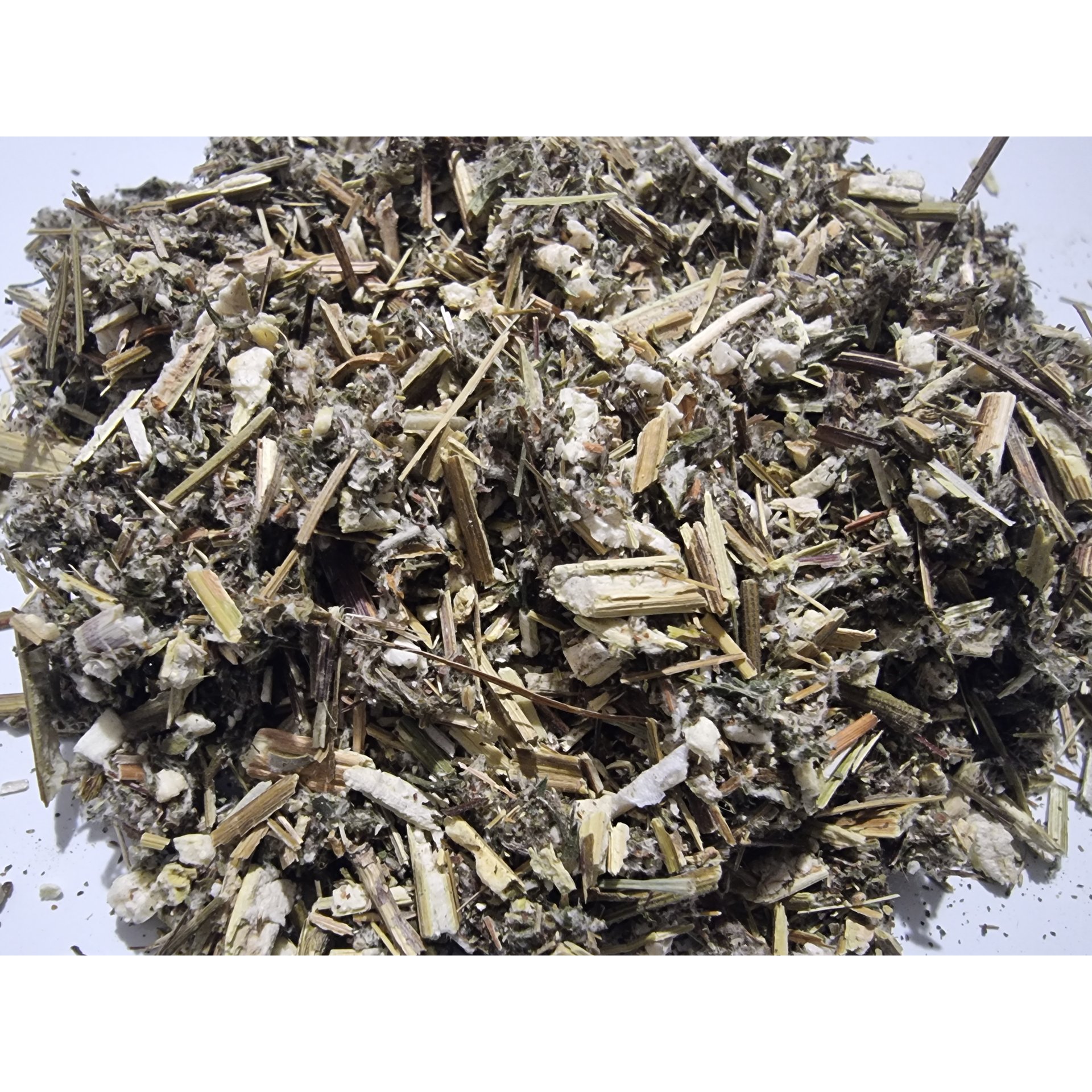
Mugwort (Artemisia vulgaris), also called common mugwort or St. John’s plant, is a tall perennial herb of the daisy family that grows along roadsides, riverbanks and waste ground across Europe, Asia and North America. Its deeply cut leaves are dark green above and silvery-white and downy underneath, and the whole plant has a warm, sage-like and slightly bitter aroma.
Mugwort is one of the oldest herbs in European folklore. It was carried by travelers, hung over doors at midsummer and used to flavor beer before hops became common, which may be the origin of its name. It is a close relative of wormwood, but much milder in taste.
In the kitchen, mugwort is a classic herb for seasoning fatty meats such as goose and pork in Germany, and in Korea and Japan young mugwort (ssuk and yomogi) gives rice cakes and soups their green color and flavor. The dried herb is also brewed into a mild, bitter-aromatic tea, and it is the traditional herb for smudge bundles and dream pillows.
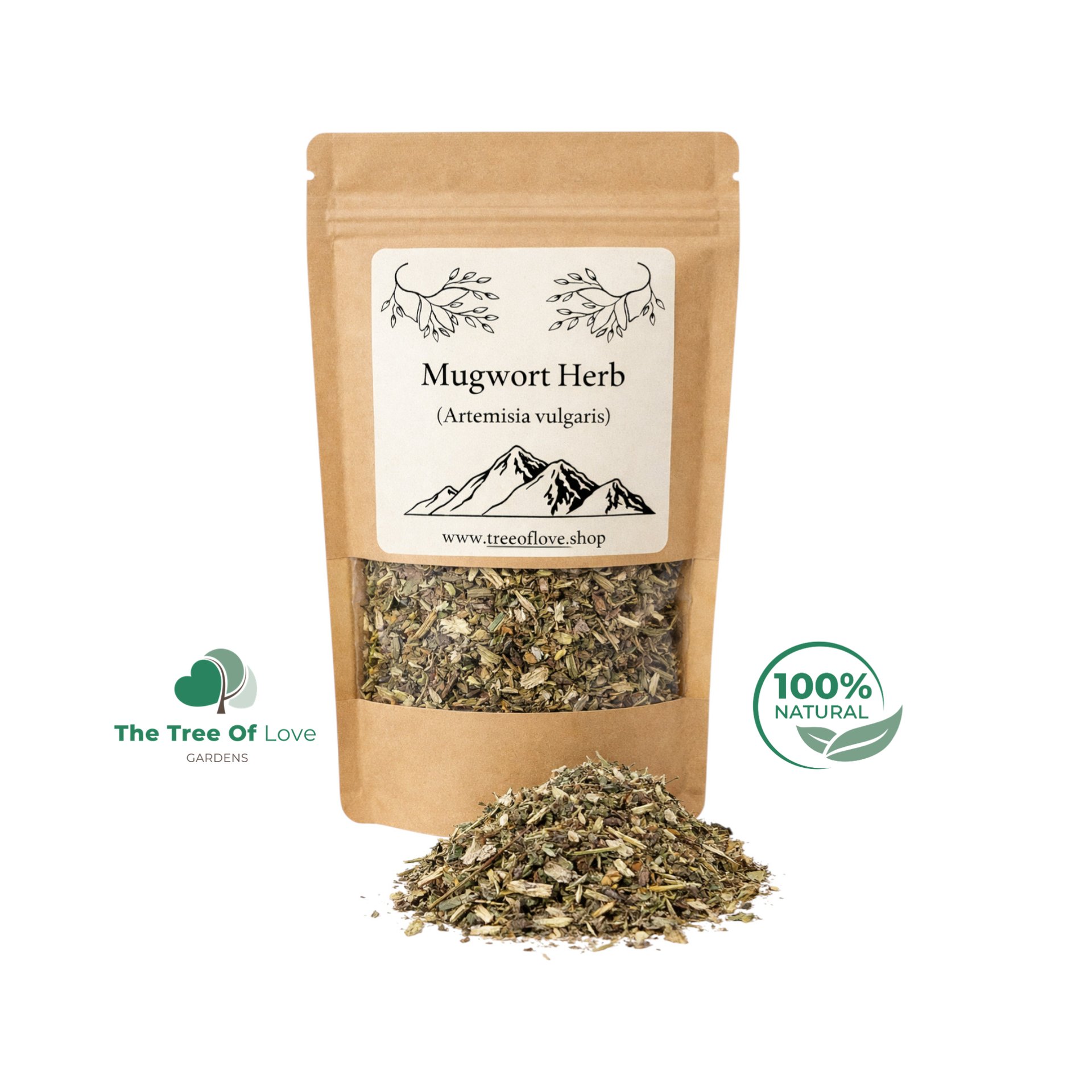
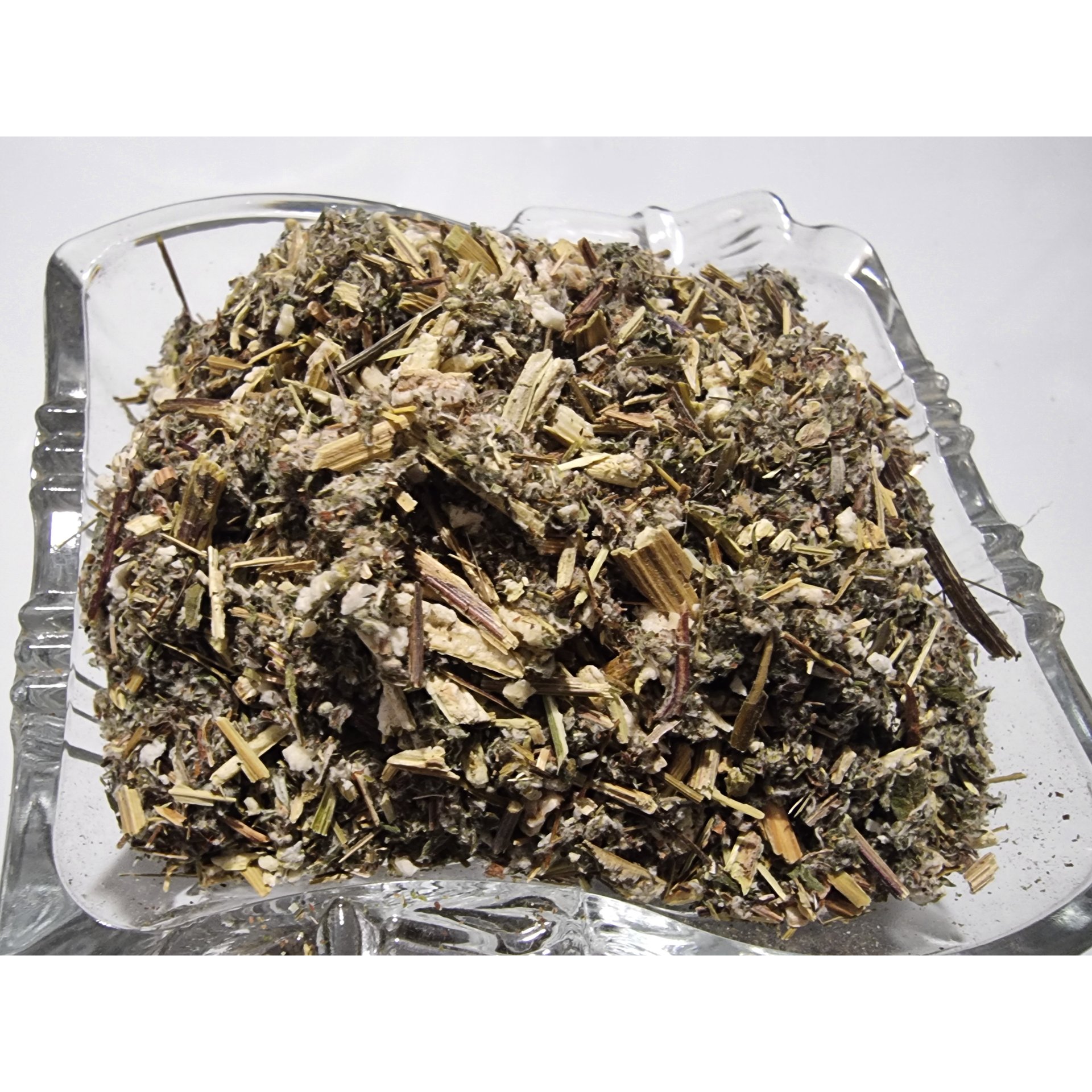
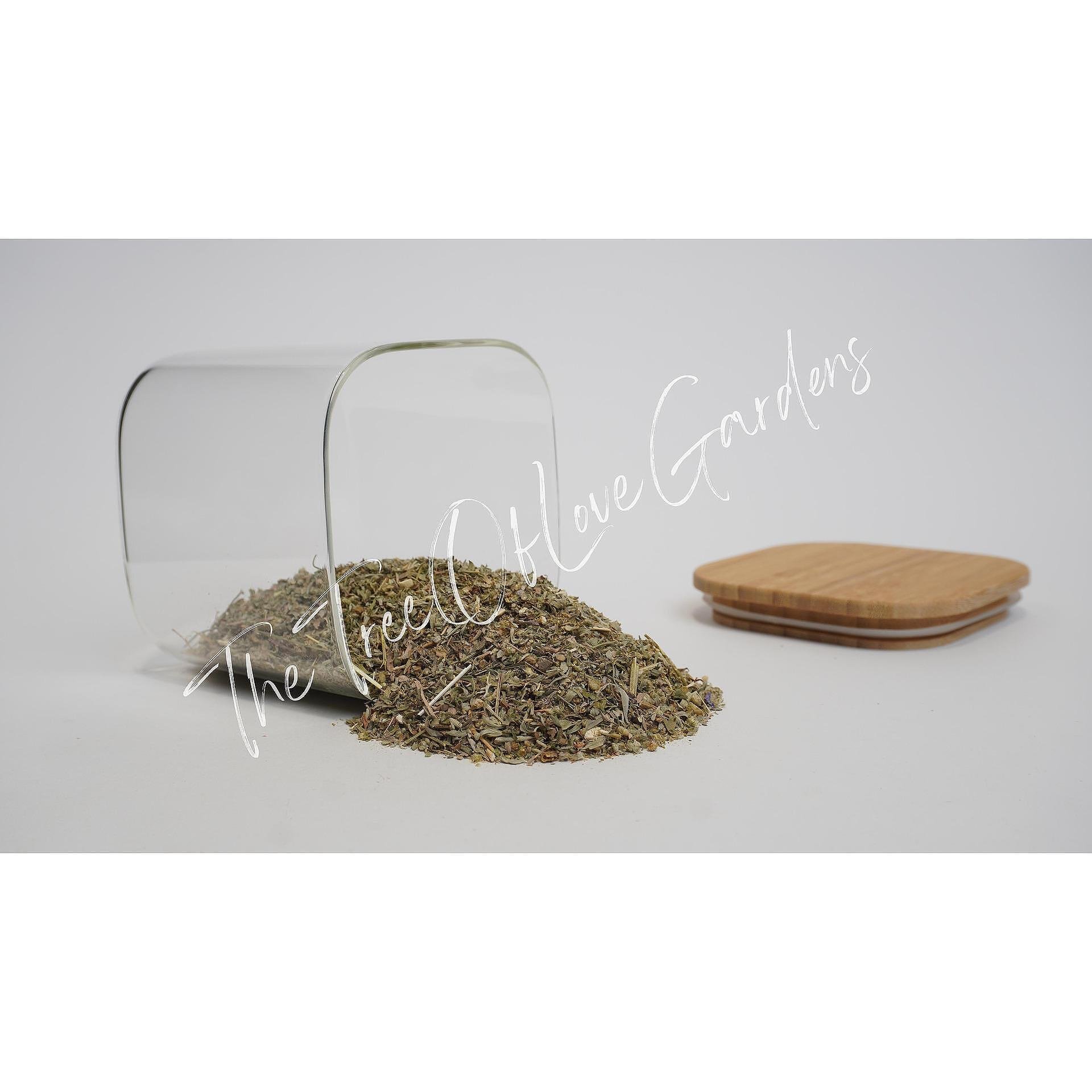
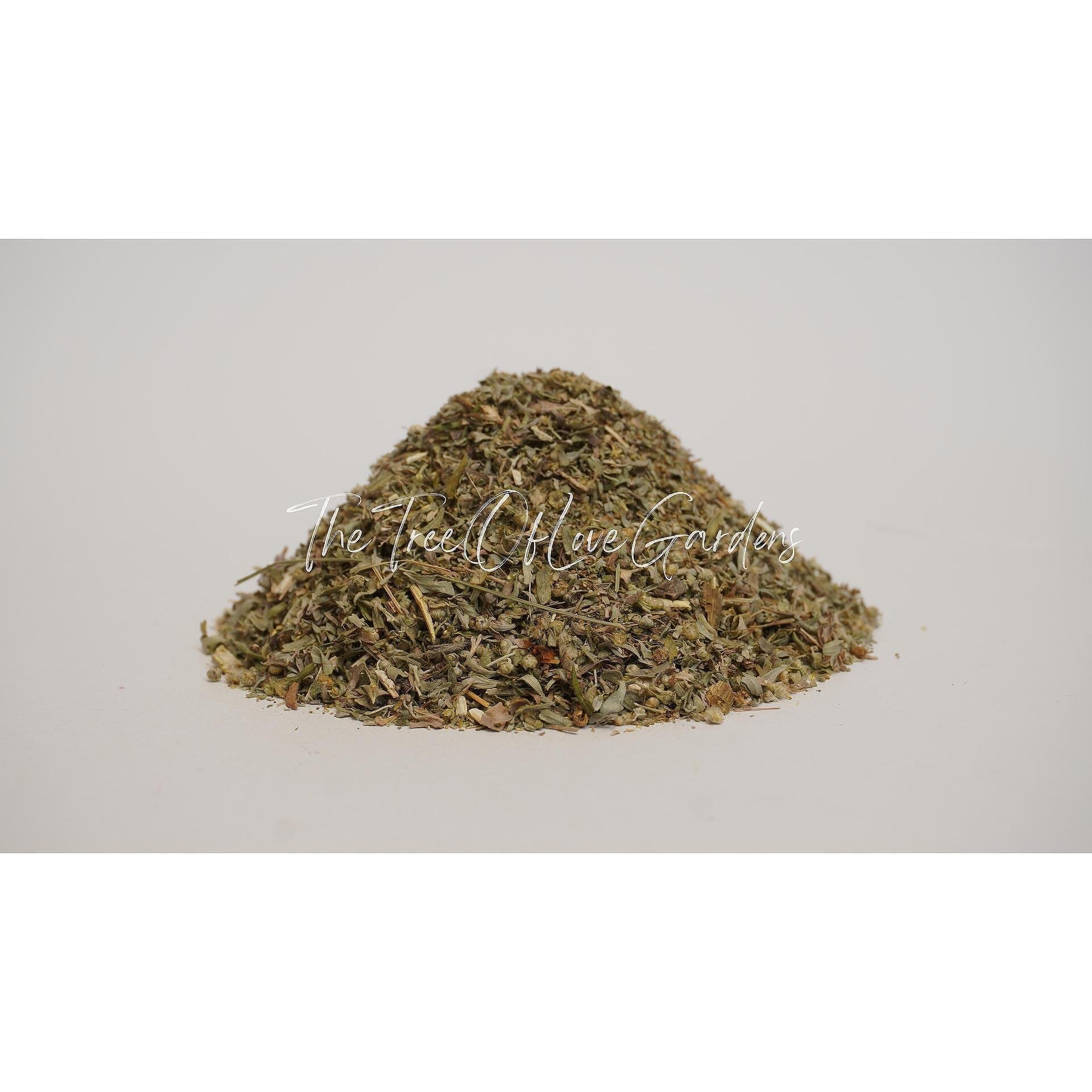
Our mugwort is wildcrafted, harvested from wild plants, and contains only the dried herb with nothing added. It is sold by weight, from small packs to bulk.
How to Use Mugwort Herb
- Mugwort tea: Use 1 teaspoon (about 1 to 1.5 g) per cup (8 fl oz / 250 ml). Pour over boiling water, cover and steep for 5 to 10 minutes, then strain.
- Cooking: Rub a little dried mugwort onto goose, duck or pork before roasting.
- Smudge bundles: Tie dried stems tightly with cotton string and let them dry fully before use.
- Dream pillows: Fill a small cotton pouch with mugwort, lavender and hops.
Safety
Do not use during pregnancy or while nursing. Avoid if you are allergic to plants of the daisy family (Asteraceae), especially ragweed, or to celery, carrot or birch pollen. Burn smudge bundles in a well-ventilated room and never leave them unattended. If you are pregnant, nursing, taking medication or have a medical condition, consult a qualified healthcare professional before use. Keep out of reach of children.
Read our full guide: How to use mugwort: tea, cooking and more
Frequently Asked Questions
What does mugwort taste like?
It is aromatic and slightly bitter, with a sage-like flavor. It is much milder than wormwood.
Is mugwort the same as wormwood?
No. Both are Artemisia species. Mugwort is Artemisia vulgaris and wormwood is Artemisia absinthium.
What does wildcrafted mean?
Wildcrafted means the herb was harvested from plants growing in the wild, not on a farm.
Is mugwort caffeine free?
Yes. It contains no caffeine.
How should I store mugwort?
Keep it in an airtight container in a cool, dry and dark place.

Reviews
There are no reviews yet.