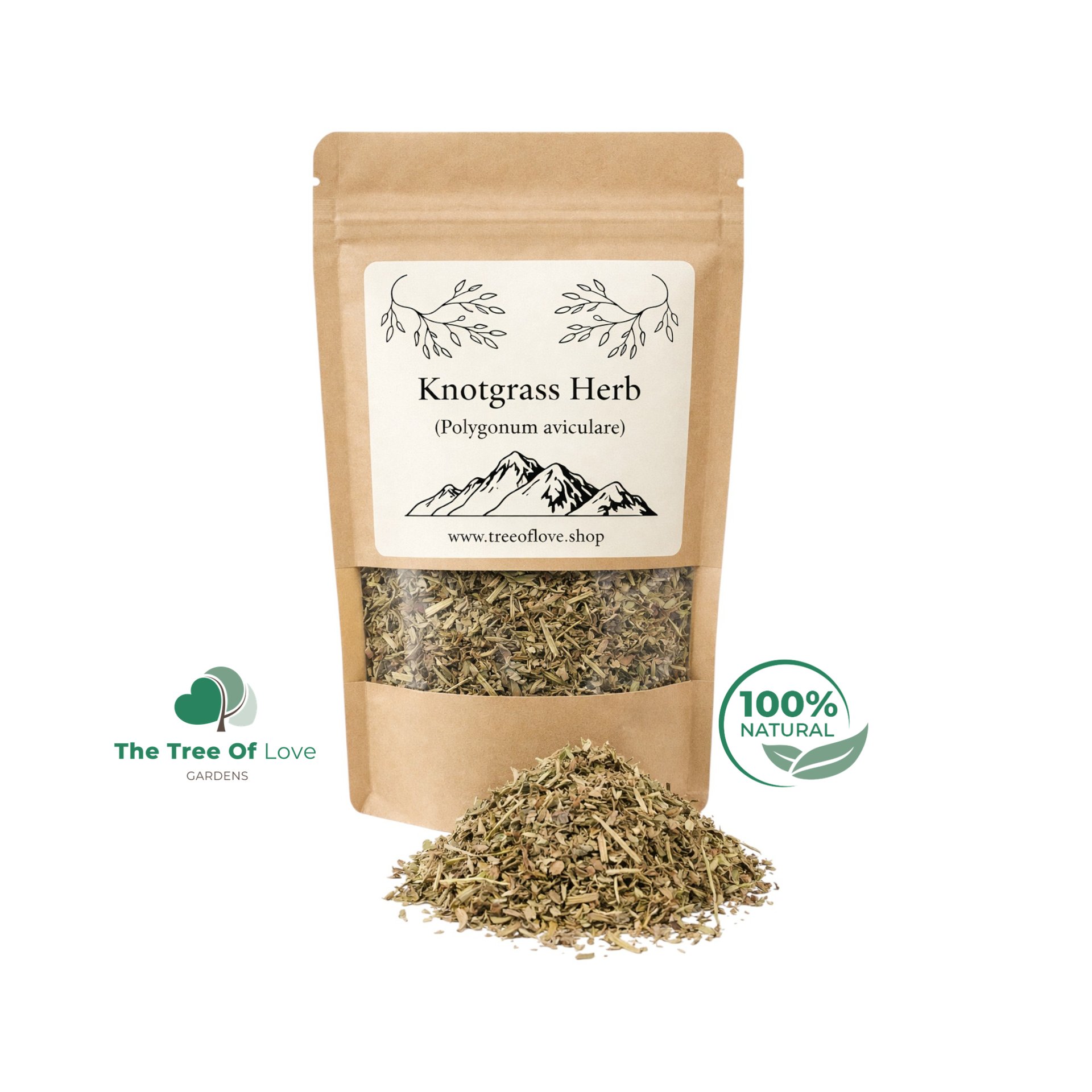
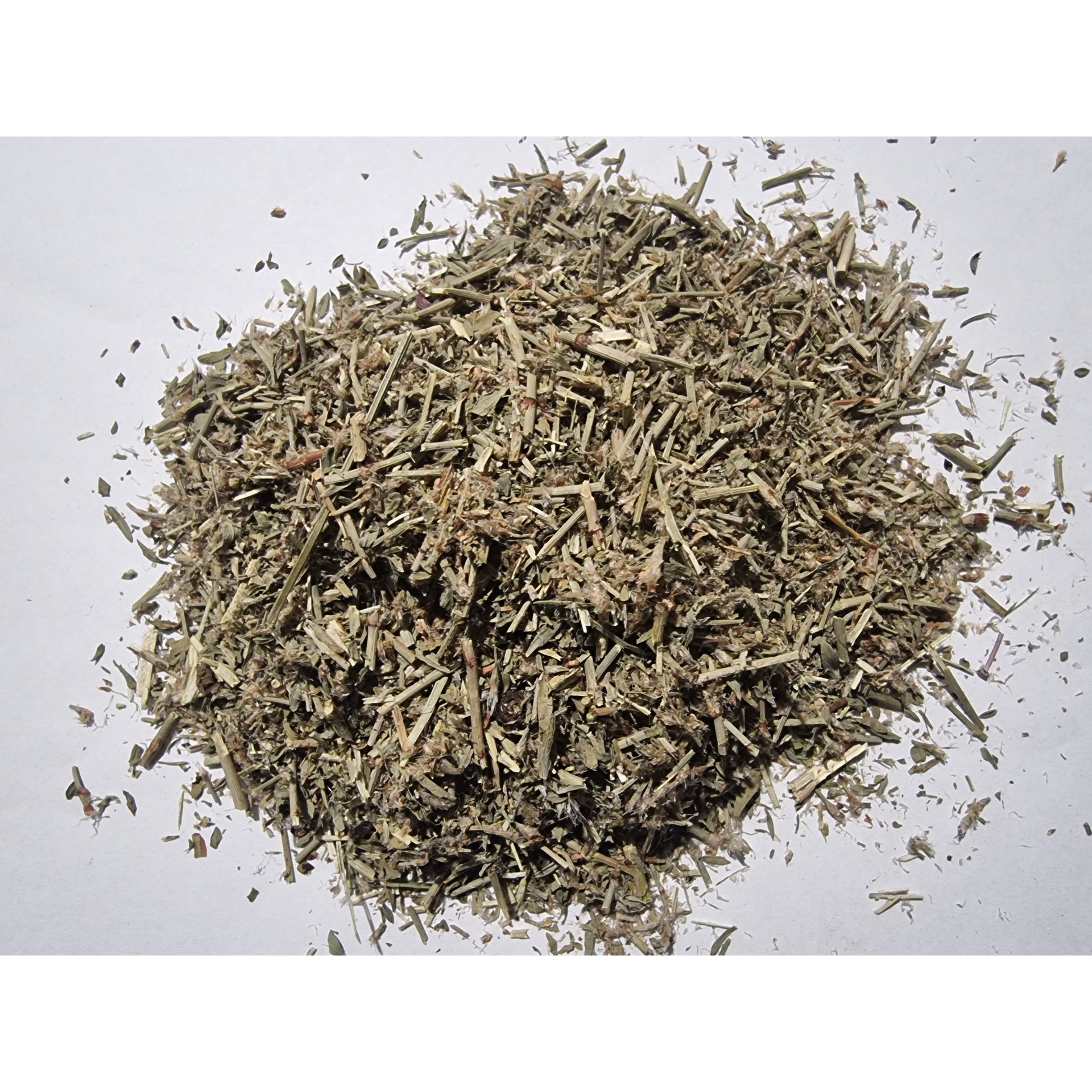
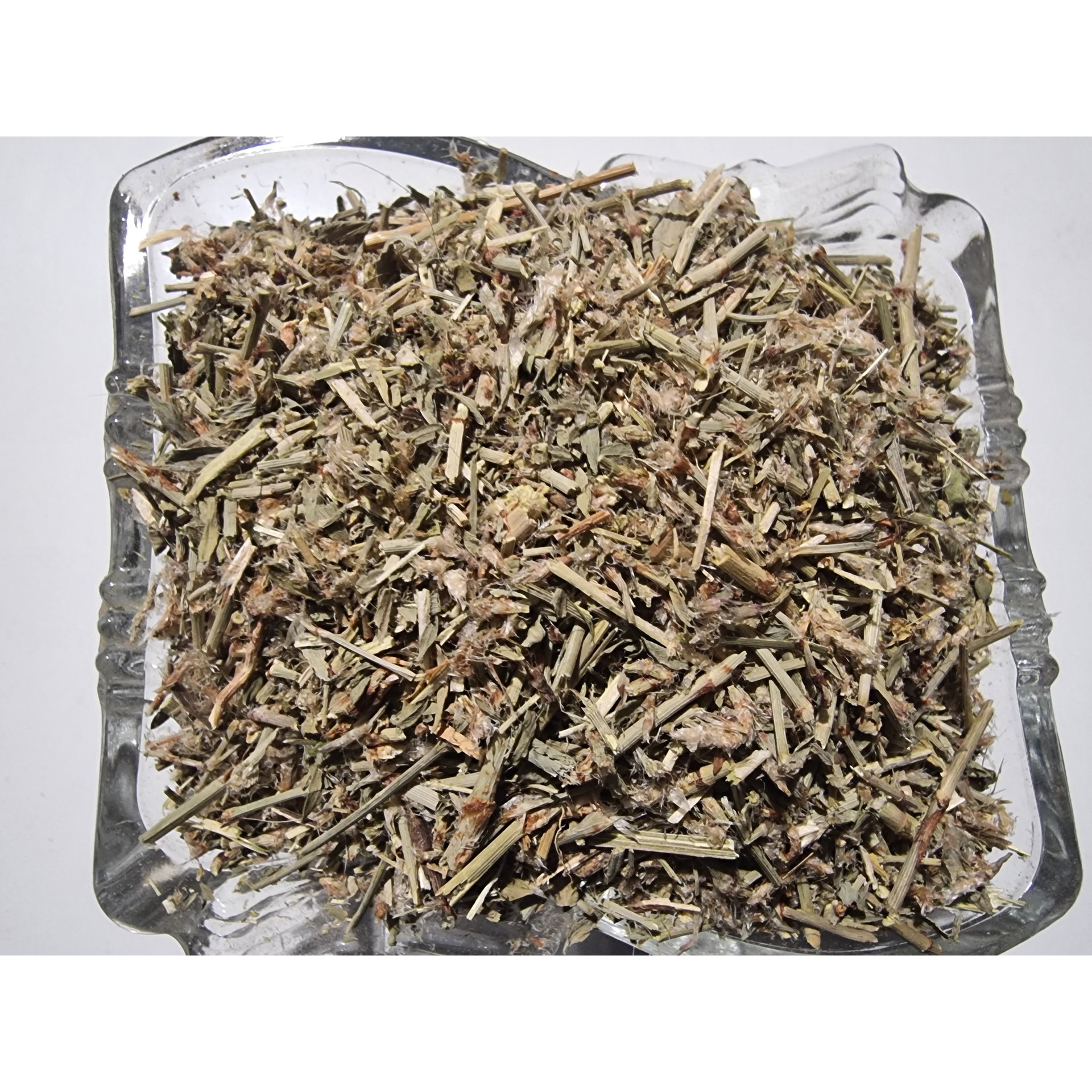
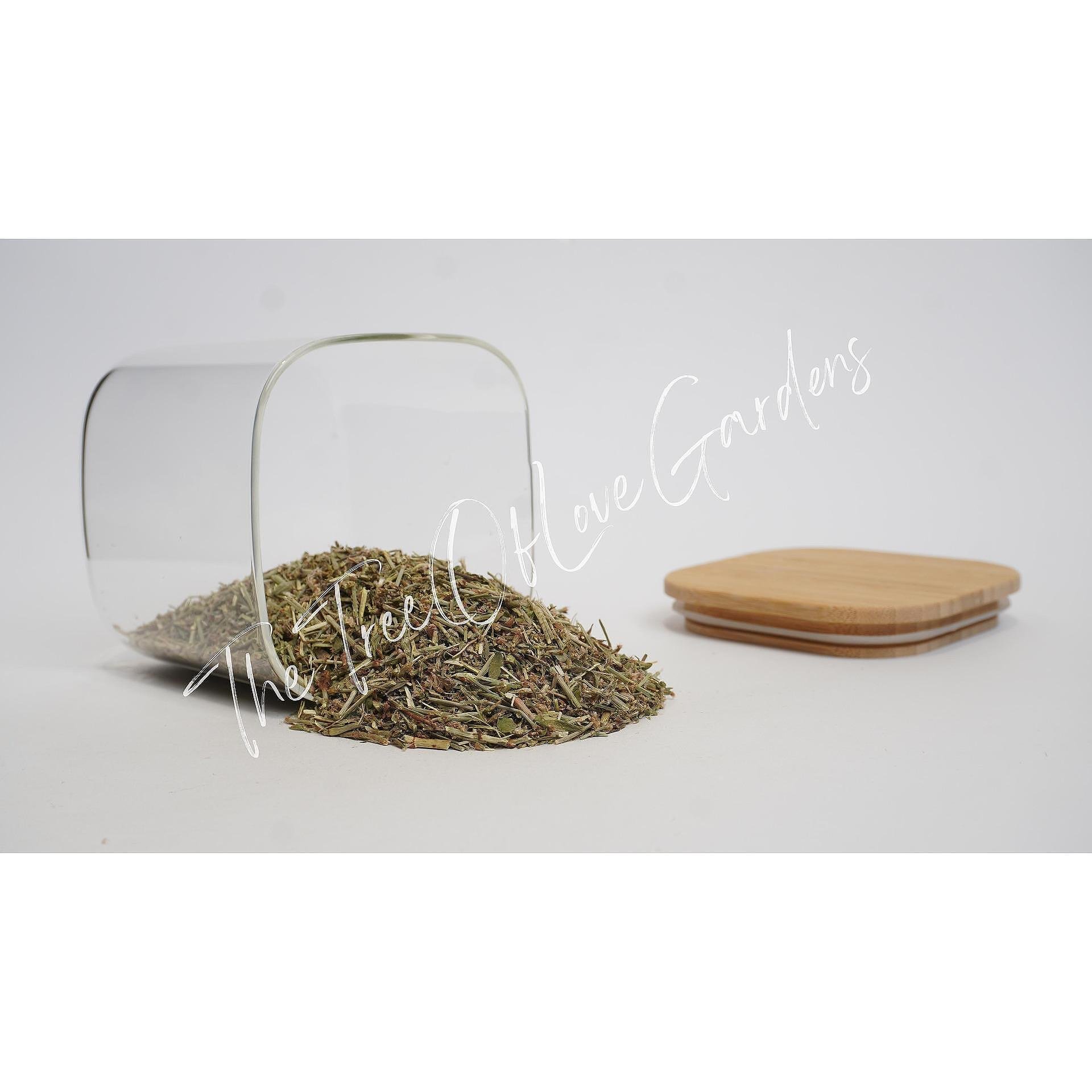
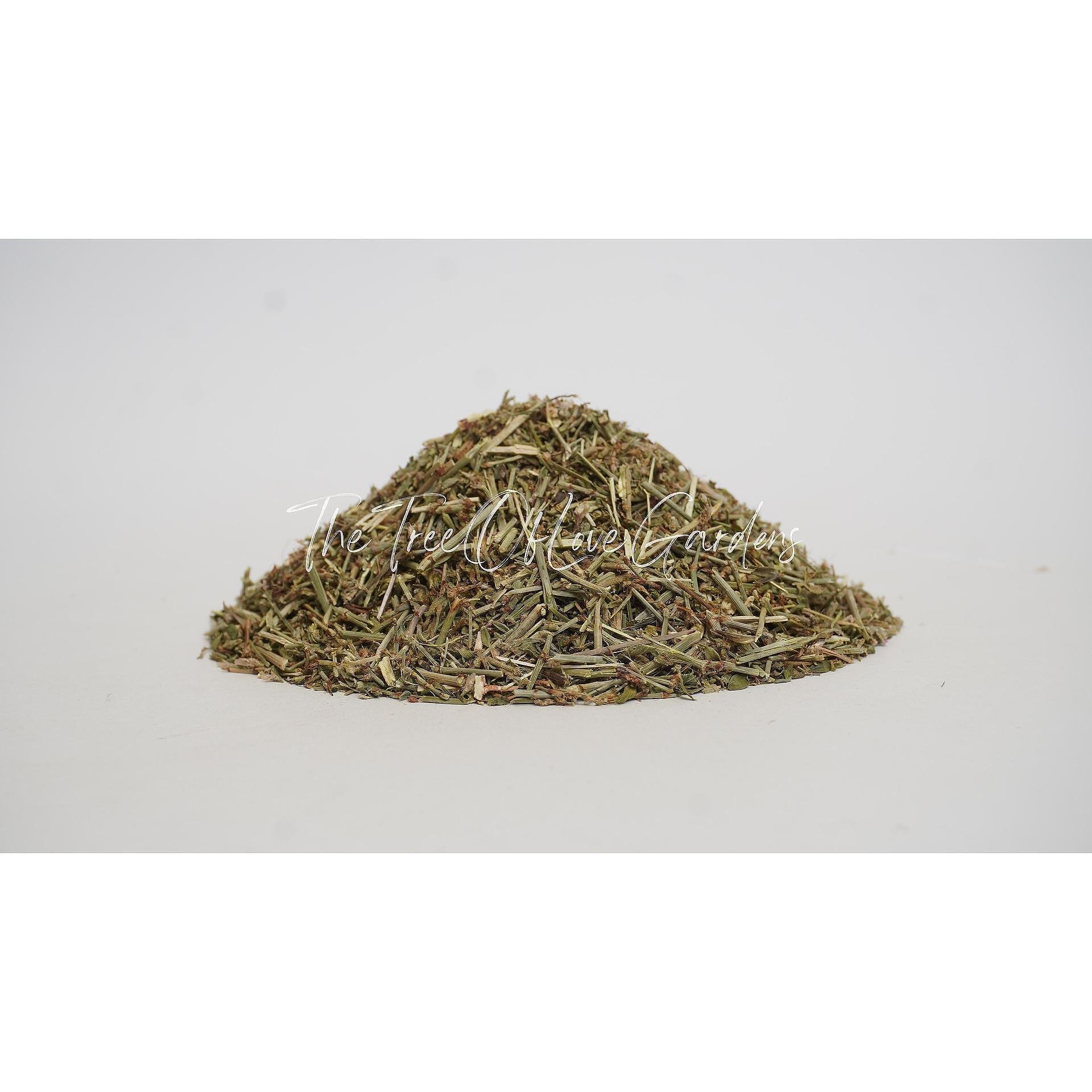
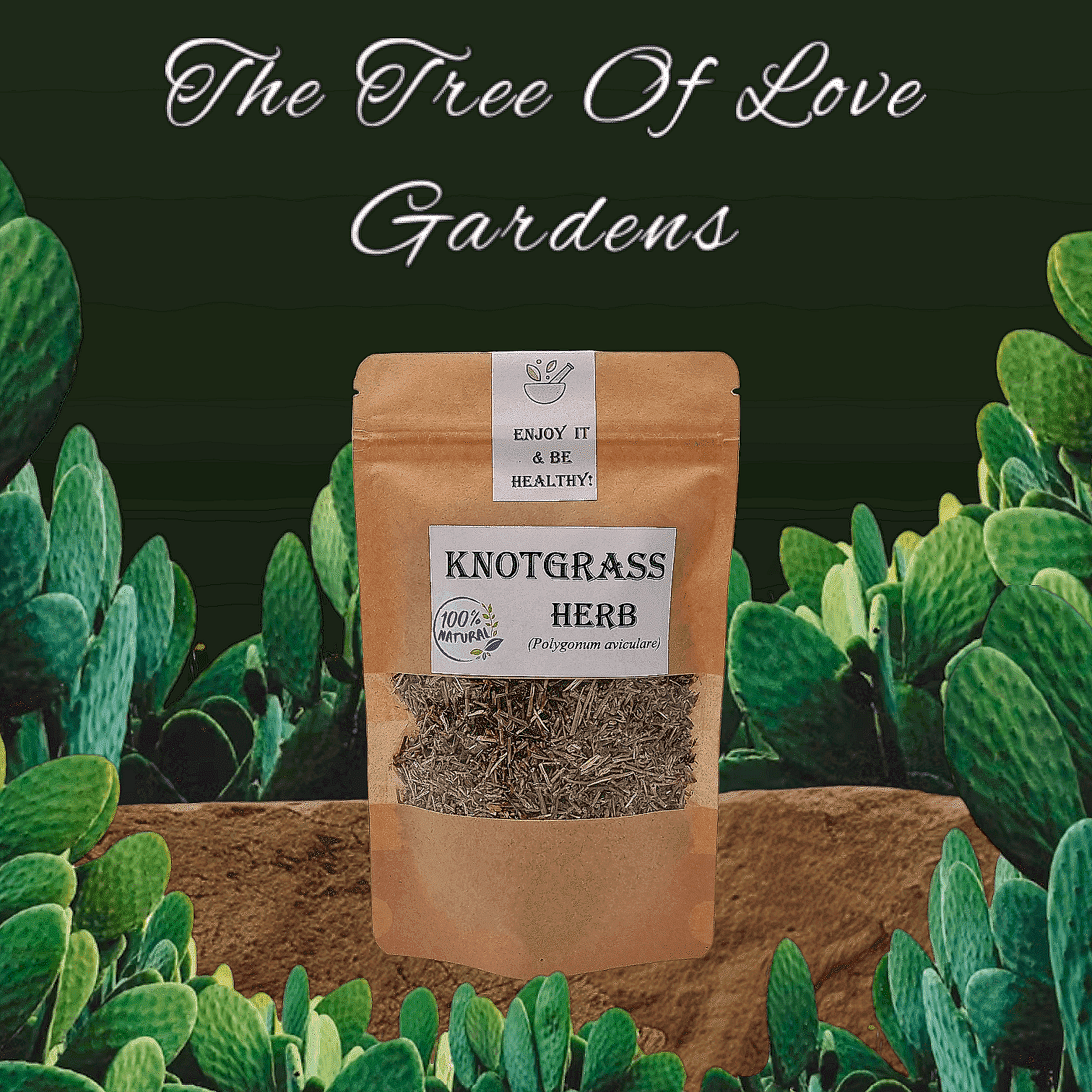
Knotgrass Herb | Polygonum aviculare

From € 2.57

  • Dried aerial parts of knotgrass, Polygonum aviculare
  • A tough, low-growing wild herb of paths and fields
  • Mild, grassy and slightly astringent herbal tea
  • For traditional herbal tea and blends
  • Available from small packs to bulk sizes

How to make knotgrass tea: our guide

  • Wildcrafted & 100% natural
  • Packed fresh in small batches
  • Secure checkout

What Is Knotgrass?

Knotgrass (Polygonum aviculare), also called common knotgrass or prostrate knotweed, is a hardy annual plant of the knotweed family. It grows almost everywhere in the temperate world: along footpaths, farm tracks, field edges and between paving stones, where it survives being walked on day after day.

The plant forms low mats of wiry, jointed stems with small, oval blue-green leaves and tiny pink-white flowers tucked into the leaf joints. The name Polygonum means many knees, after the swollen joints along the stems, and aviculare refers to birds, which eat its seeds.

Knotgrass has a long history in the folk herbal traditions of Europe and Asia. In European herbal trade the dried herb is known as Polygoni avicularis herba, and in Chinese herbal practice it is called bian xu. In Eastern Europe, it is still a familiar ingredient in household herbal teas.

As a tea, knotgrass is mild, grassy and slightly astringent. It is usually enjoyed in blends with other meadow herbs such as horsetail, nettle or mint, and it can also be enjoyed on its own with a little honey.

Our knotgrass herb contains only the dried herb with nothing added. It is sold by weight, from small packs to bulk.
How to Use Knotgrass Herb

  • Herbal tea: Use 1 to 2 teaspoons (about 1.5 to 3 g) of dried herb per cup (8 fl oz / 250 ml). Pour over boiling water, cover and steep for 10 to 15 minutes, then strain.
  • Blends: Combine with horsetail, nettle, mint or lemon balm.
  • Stronger brew: For a fuller taste, simmer the herb gently for 5 minutes, then steep for another 5.

Safety

Avoid if you have kidney stones. If you are pregnant, nursing, taking medication or have a medical condition, consult a qualified healthcare professional before use. Keep out of reach of children.

Read our full guide: How to make knotgrass tea: our guide

Frequently Asked Questions

What is Polygonum aviculare?

It is the botanical name of knotgrass, a common low-growing wild herb of the knotweed family.

What does knotgrass tea taste like?

It is mild, grassy and slightly astringent.

What is knotgrass called in herbal trade?

In Europe it is Polygoni avicularis herba, and in Chinese herbal practice it is bian xu.

Is knotgrass caffeine free?

Yes. It contains no caffeine.

How should I store knotgrass?

Keep it in an airtight container in a cool, dry and dark place.

Knotgrass Herb Specifications

Common name Knotgrass, common knotgrass, prostrate knotweed, bian xu
Botanical name Polygonum aviculare
Herbal name Polygoni avicularis herba
Family Polygonaceae (knotweed family)
Plant part Aerial parts
Form Dried, cut
Ingredients 100% knotgrass herb
Aroma and taste Mild, grassy, slightly astringent
Caffeine None
Uses Herbal tea, blends
Pack sizes From small packs to bulk
Storage Airtight, cool, dry and dark
Weight 0.01 kg
Weight

1 oz (28 grams), 2 oz (57 grams), 3 oz (85 grams), 4 oz (114 grams), 6 oz ( 170 grams), 8 oz (226 grams), 1 lb ( 454 grams), 2 lbs ( 907 grams), 3 lbs ( 1361 grams)o, 4 lbs ( 1814 grams), 1/4 oz (7 grams), 1/2 oz ( 14 grams )

Reviews

There are no reviews yet.

Be the first to review “Knotgrass Herb | Polygonum aviculare”

Your email address will not be published. Required fields are marked *