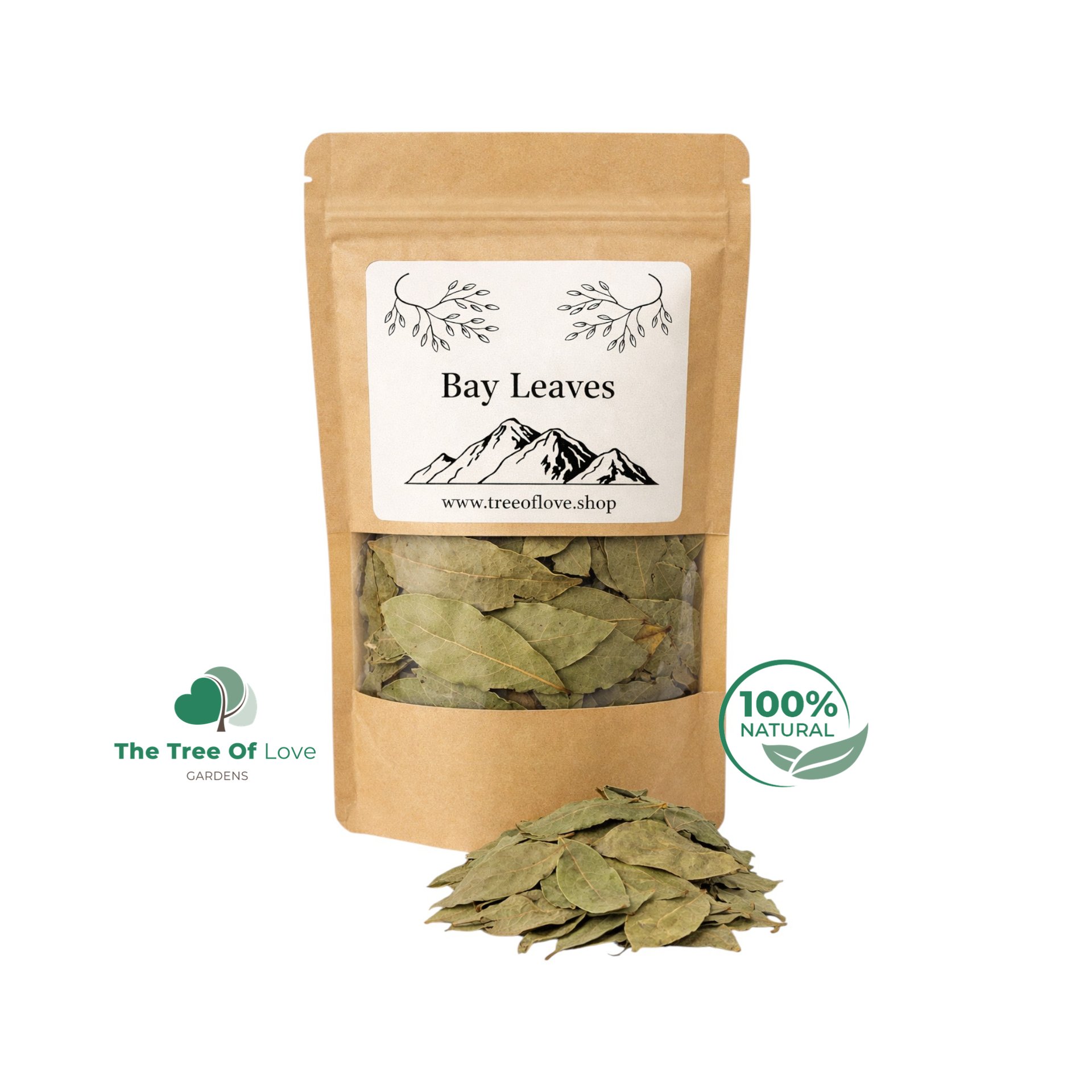
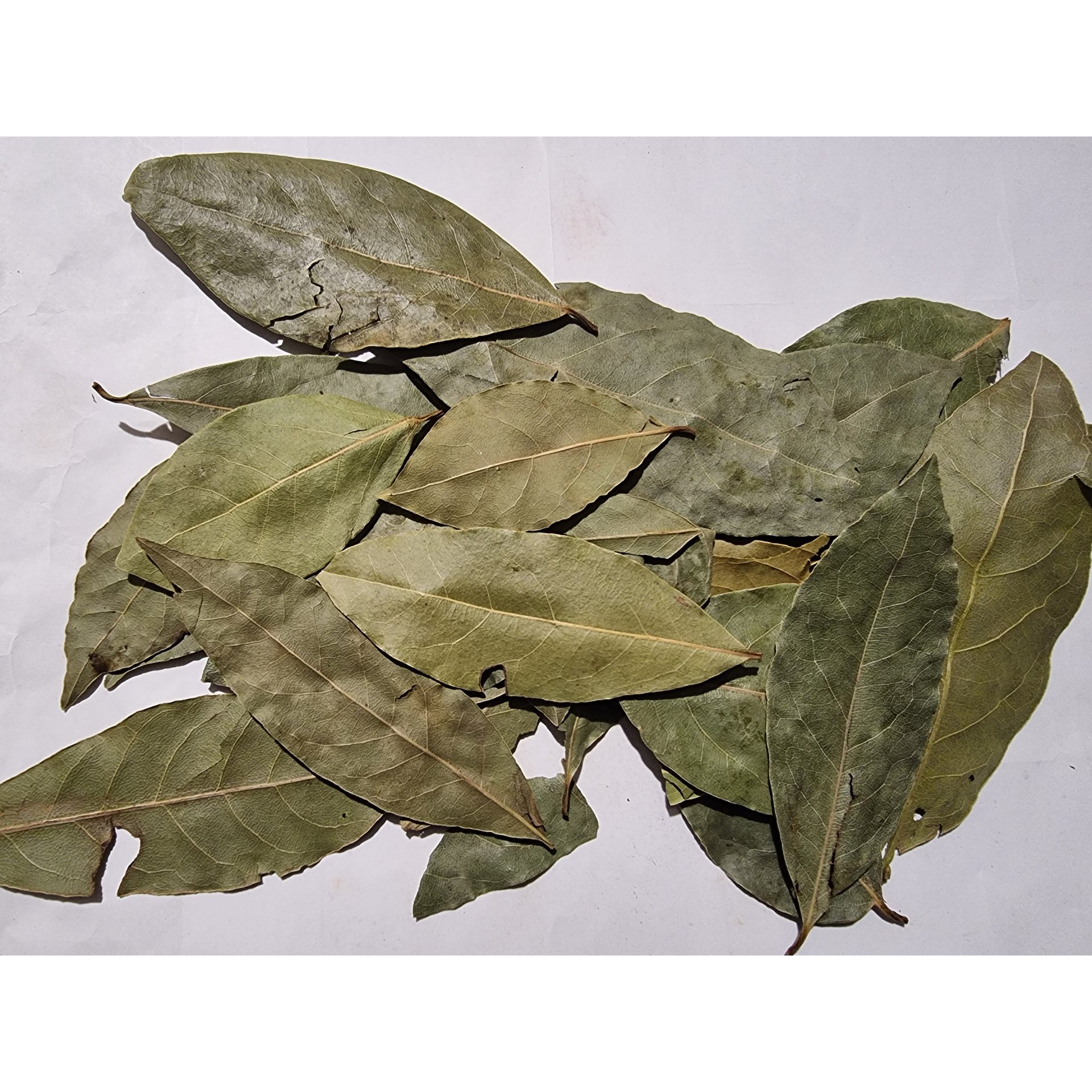
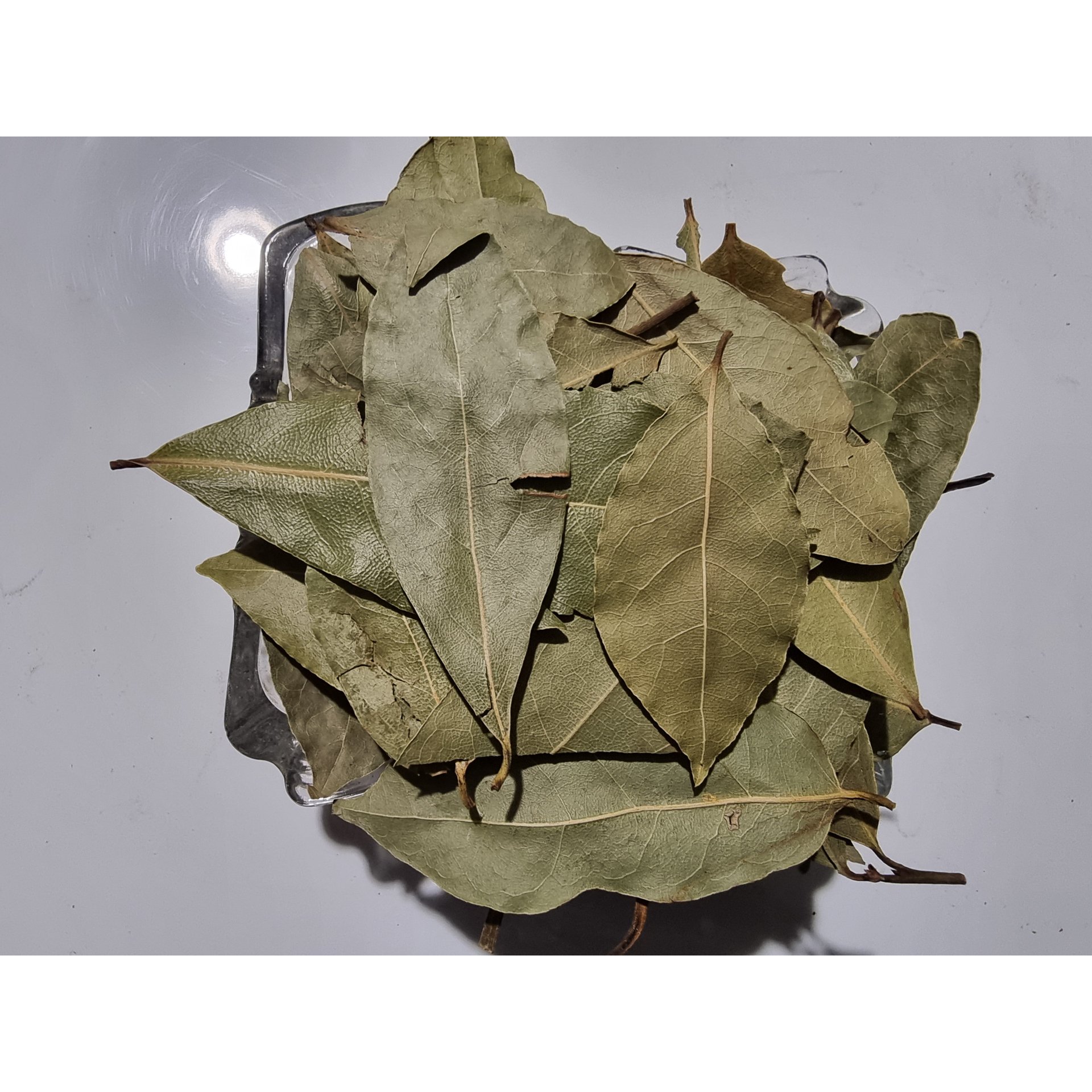
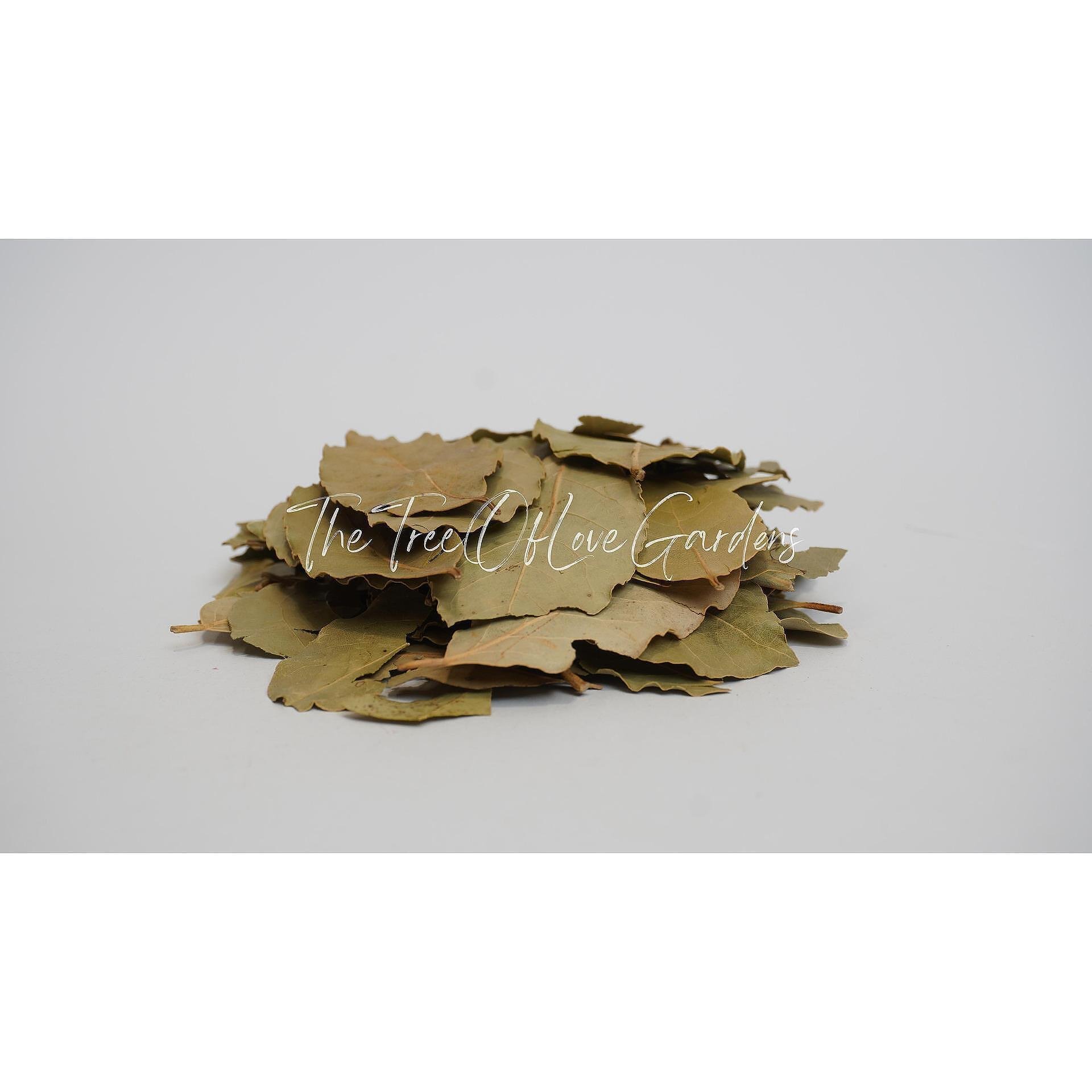
Bay Leaves | Whole Dried Bay Laurel, Laurus nobilis

From € 2.43

  • Whole dried leaves of the bay laurel, Laurus nobilis
  • Mediterranean or Turkish bay with a warm, herbal aroma
  • Essential for soups, stews, sauces, rice and beans
  • Classic in pickling, brines and stock
  • Available from small packs to bulk sizes

How to cook with whole bay leaves: our guide

  • Wildcrafted & 100% natural
  • Packed fresh in small batches
  • Secure checkout

What Are Bay Leaves?

Bay leaves are the dried leaves of the bay laurel (Laurus nobilis), an evergreen tree native to the Mediterranean. In ancient Greece and Rome, wreaths of laurel crowned victors, poets and emperors, which is where the words laureate and baccalaureate come from.

The leaves are thick, glossy and oval, and they are dried whole. Dried bay leaves have a warm, herbal and slightly floral aroma with notes of pine, eucalyptus and clove. Their flavor develops slowly during long cooking and adds a quiet depth that is missed when it is left out.

Bay leaves are essential in kitchens around the world. They go into soups, stews, chili, bean dishes, tomato sauces, ragu, curries and biryani, rice and risotto, stocks and court bouillon, pot roasts, pickles, brines and marinades. In French cooking, bay is part of the classic bouquet garni, and in Turkey and Greece it flavors grilled fish and meat skewers.

Please note that this is Mediterranean bay laurel, sometimes called Turkish bay. California bay leaves come from a different tree with a much stronger flavor.

Our bay leaves contain only whole dried Laurus nobilis leaves with nothing added. They are sold by weight, from small packs to bulk.
How to Use Bay Leaves

  • Soups and stews: Add 1 to 2 whole leaves to a pot of soup, stew, beans or sauce at the start of cooking. Remove before serving.
  • Rice: Add a leaf to rice or risotto while it cooks.
  • Pickling and brines: Add 1 to 2 leaves per jar of pickles, or to brines for meat and poultry.
  • Bouquet garni: Tie bay, thyme and parsley together and simmer in stocks and braises.

Safety

Remove whole leaves before eating, as they can be a choking hazard. Keep out of reach of children.

Read our full guide: How to cook with whole bay leaves: our guide

Frequently Asked Questions

Should I remove bay leaves before serving?

Yes. Whole bay leaves stay tough and sharp after cooking, so remove them before serving.

How many bay leaves should I use?

Usually 1 to 2 leaves for a pot that serves 4 to 6.

Is this Turkish or California bay?

This is Mediterranean bay laurel, Laurus nobilis, often called Turkish bay. California bay is a different, stronger plant.

Do bay leaves add flavor?

Yes. They add a subtle herbal depth that builds during long cooking.

How should I store bay leaves?

Keep them in an airtight container away from heat and light.

Bay Leaves Specifications

Common name Bay leaf, bay laurel, sweet bay, Turkish bay
Botanical name Laurus nobilis
Family Lauraceae (laurel family)
Plant part Leaves
Form Whole, dried
Ingredients 100% bay leaves
Aroma and taste Warm, herbal, slightly floral
Uses Soups, stews, sauces, rice, pickling, brines
Pack sizes From small packs to bulk
Storage Airtight, cool, dry and dark
Weight 0.01 kg
Weight

1 oz (28 grams), 2 oz (57 grams), 3 oz (85 grams), 4 oz (114 grams), 6 oz ( 170 grams), 8 oz (226 grams), 1 lb ( 454 grams), 2 lbs ( 907 grams), 3 lbs ( 1361 grams)o, 4 lbs ( 1814 grams), 1/4 oz (7 grams), 1/2 oz ( 14 grams )

Reviews

There are no reviews yet.

Be the first to review “Bay Leaves | Whole Dried Bay Laurel, Laurus nobilis”

Your email address will not be published. Required fields are marked *