What Is Aspen Bark?
Aspen bark comes from the European aspen (Populus tremula), also called trembling aspen because its round leaves flutter in the slightest breeze. The tree grows across Europe and northern Asia, and its smooth, gray-green bark has been collected for traditional household use for generations, especially in Eastern Europe and Scandinavia.
Like willow, aspen belongs to the Salicaceae family, and its bark naturally contains salicin and related plant compounds. These give aspen bark its characteristic woody, slightly bitter taste.
In folk tradition, aspen bark is prepared as a decoction: the bark is simmered in water rather than simply steeped, which draws out its flavor and color. Today it is used by herbalists, tea makers and makers of tinctures and natural products who want a traditional European bark ingredient. It can also be blended with milder herbs, roots or spices to balance its bitterness.
European aspen is a fast-growing tree that loves light and often forms groves after forest fires or clearings. It is closely related to poplar, and the two are often confused. The bark of younger trees is smooth and pale, marked with dark, diamond-shaped spots.
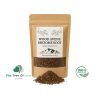
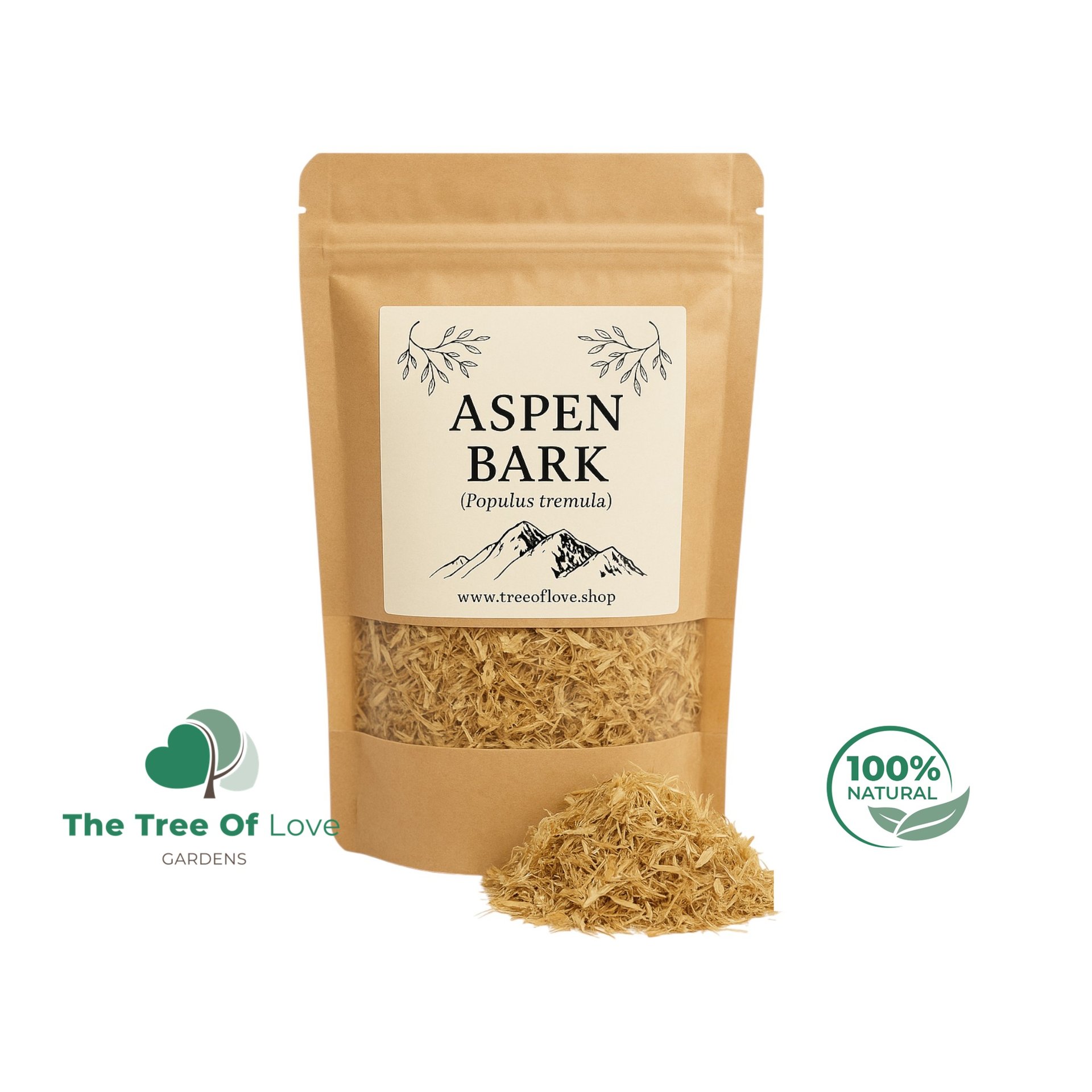
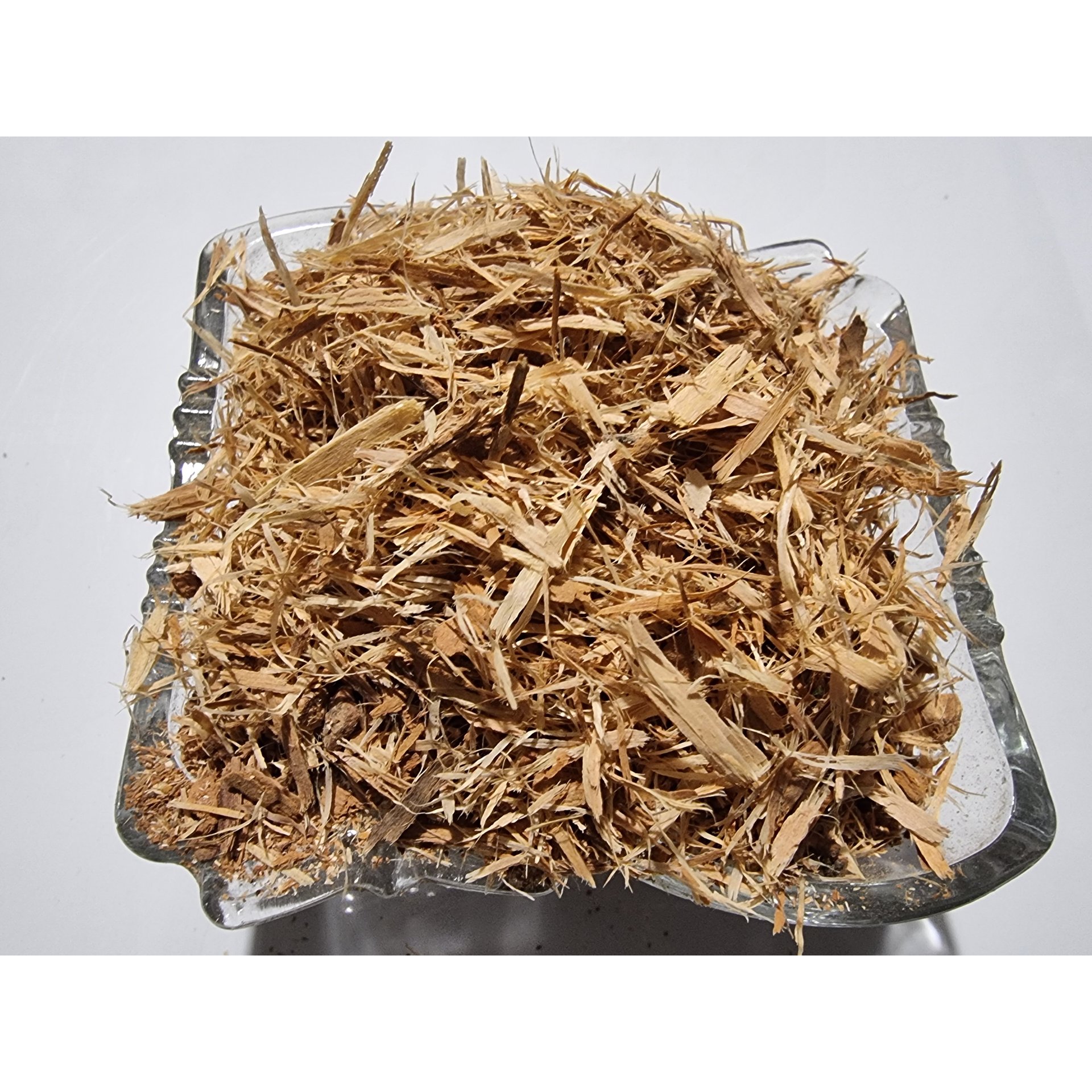
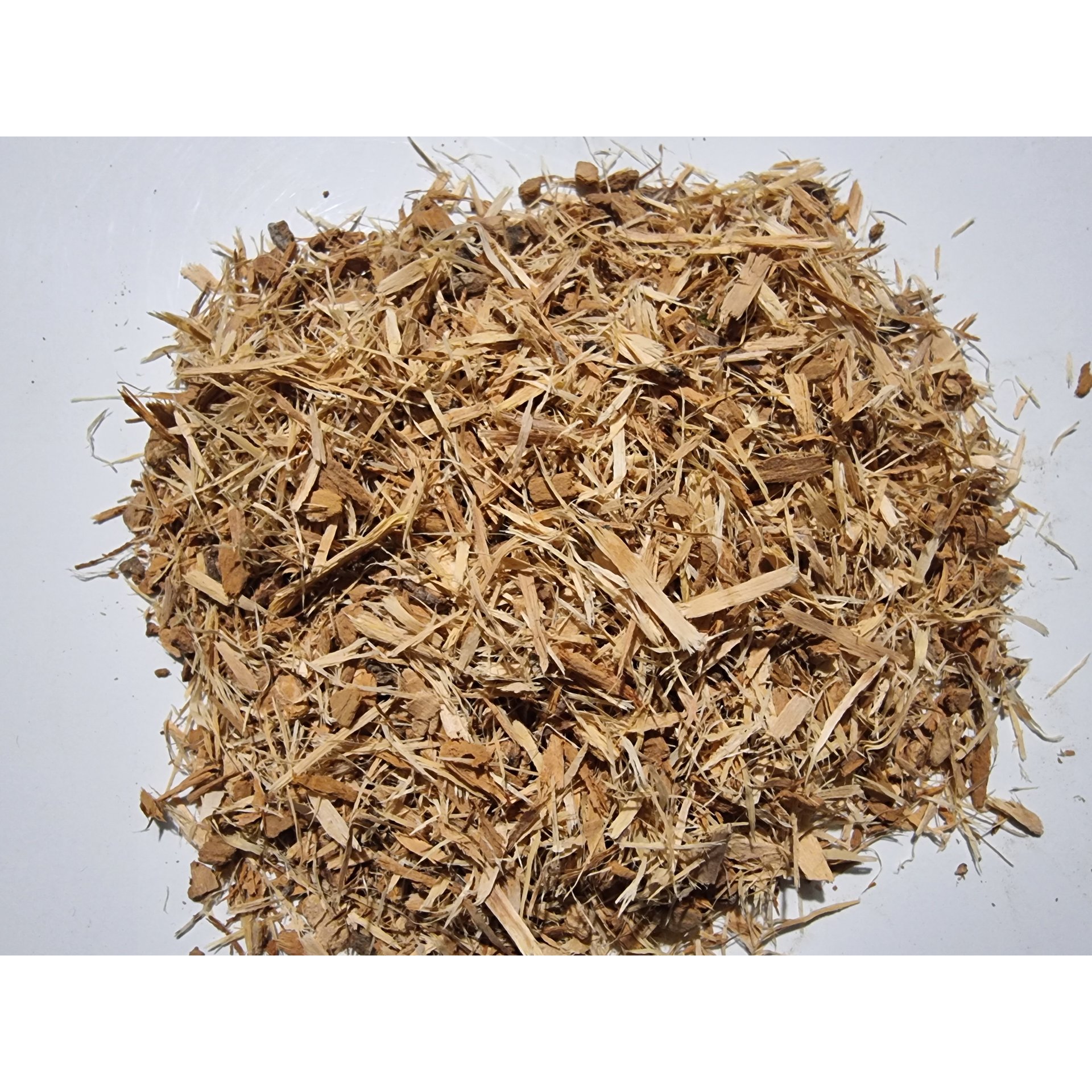
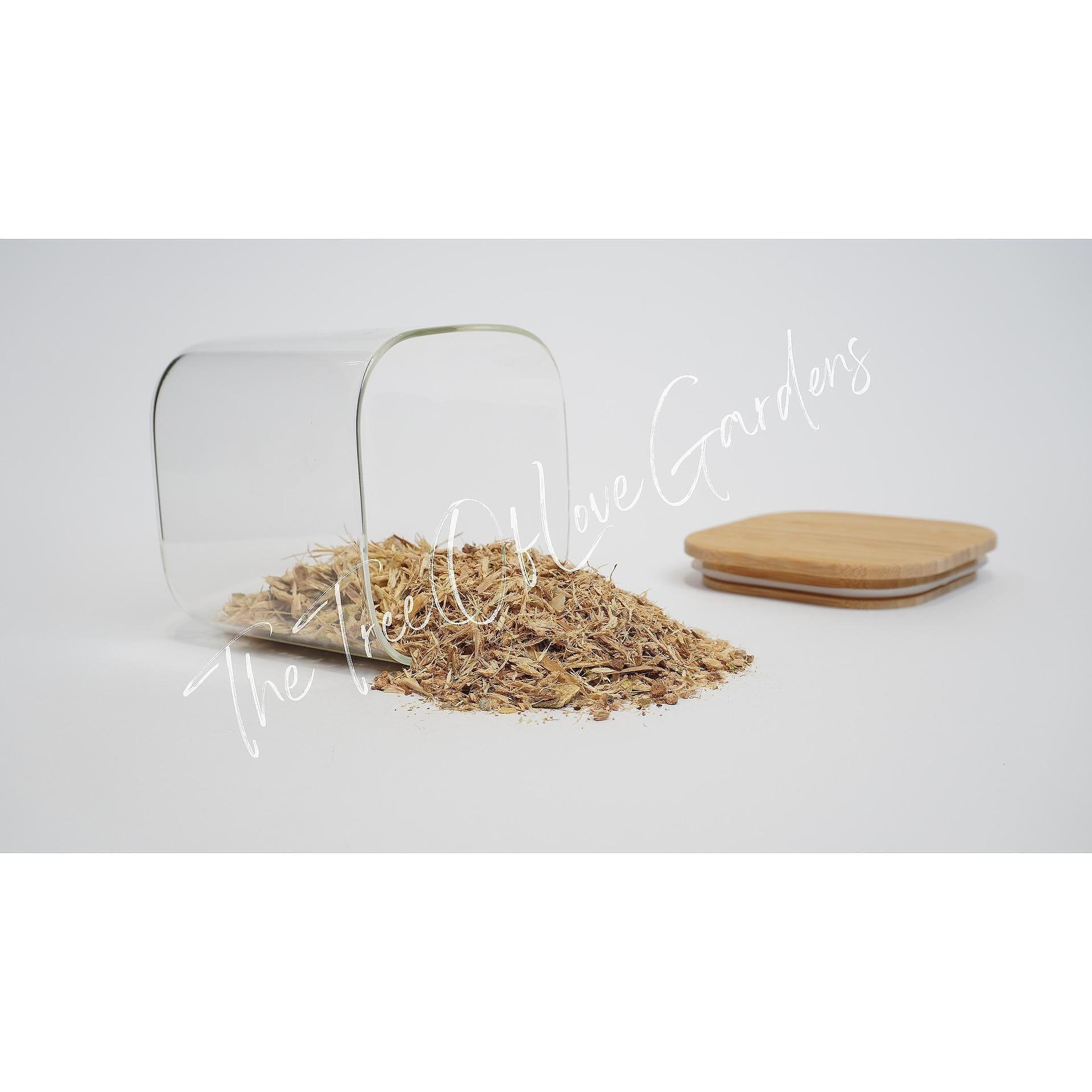
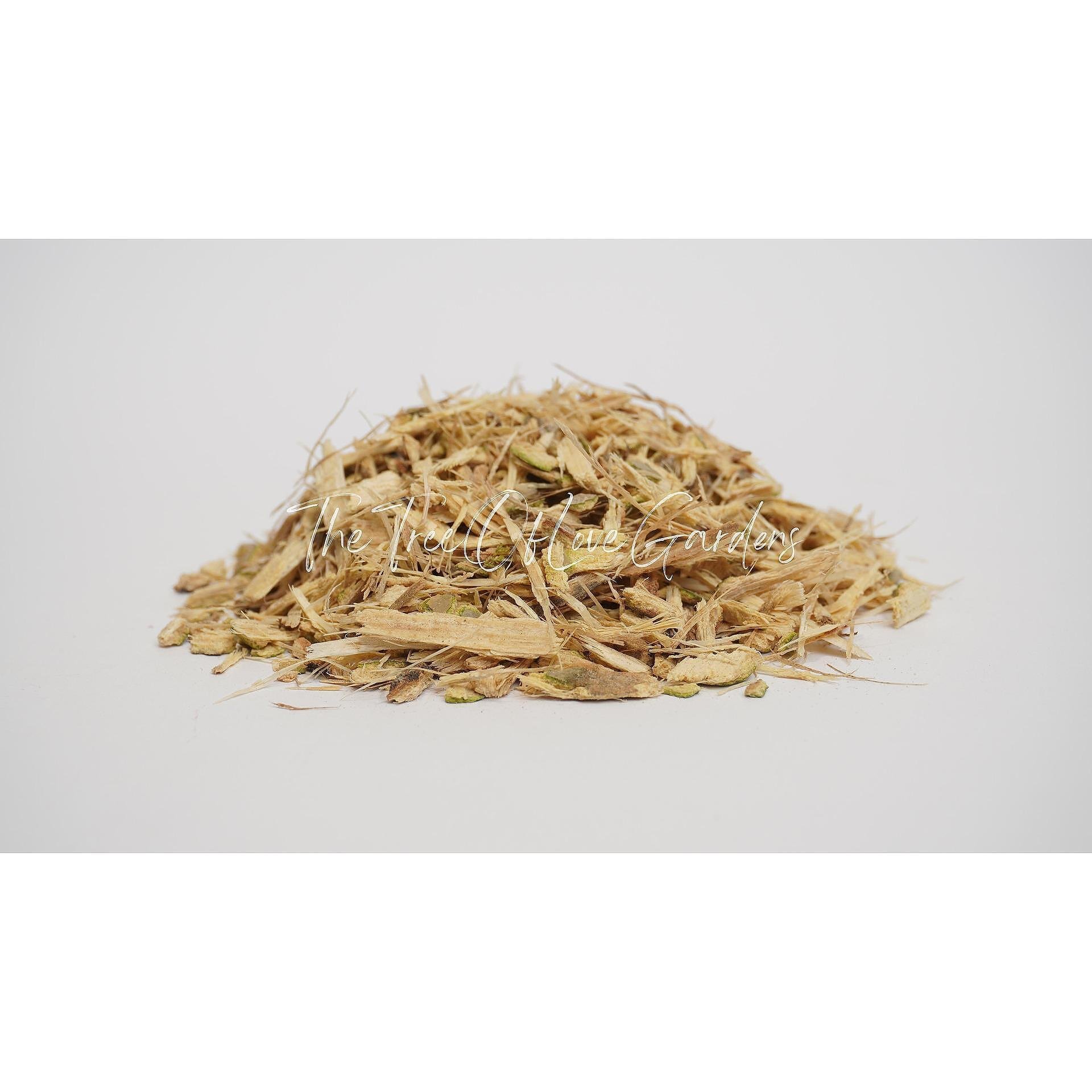
Our aspen bark contains only dried Populus tremula bark. It is sold by weight, from small packs to bulk.
How to Use Aspen Bark
- Bark decoction: Add 1 to 2 teaspoons (about 2 to 4 g) of bark to 1 1/2 cups (12 fl oz / 350 ml) of cold water. Bring to a boil and simmer gently for 10 to 15 minutes. Strain and drink warm.
- Softer flavor: Blend with cinnamon, ginger, licorice root or a little honey to balance the bitter taste.
- Tinctures and crafts: Aspen bark can also be used by makers for tinctures, natural dyes and other herbal preparations.
Safety
Aspen bark naturally contains salicylates. Do not use if you are allergic or sensitive to aspirin or salicylates, take blood-thinning medication, or are pregnant or nursing. Not for children. Consult a qualified healthcare professional before use, especially if you take any medication. Keep out of reach of children.
Read our full guide: How to make aspen bark tea: our step-by-step guide
Frequently Asked Questions
Is this European aspen or quaking aspen?
This is European aspen, Populus tremula. It is closely related to the North American quaking aspen, Populus tremuloides.
Why is aspen bark simmered instead of steeped?
Bark is tough and dense. Simmering it for 10 to 15 minutes releases more flavor than a short steep in hot water.
What does aspen bark tea taste like?
It is woody and noticeably bitter, similar to willow bark tea.
Who should avoid aspen bark?
Aspen bark naturally contains salicylates. Avoid it if you are sensitive or allergic to aspirin or salicylates, take blood thinners, are pregnant or nursing, and do not give it to children. Ask a qualified healthcare professional if you are unsure.
How should I store aspen bark?
Keep it in an airtight container in a cool, dry place. Dried bark stores well for a long time.

Reviews
There are no reviews yet.