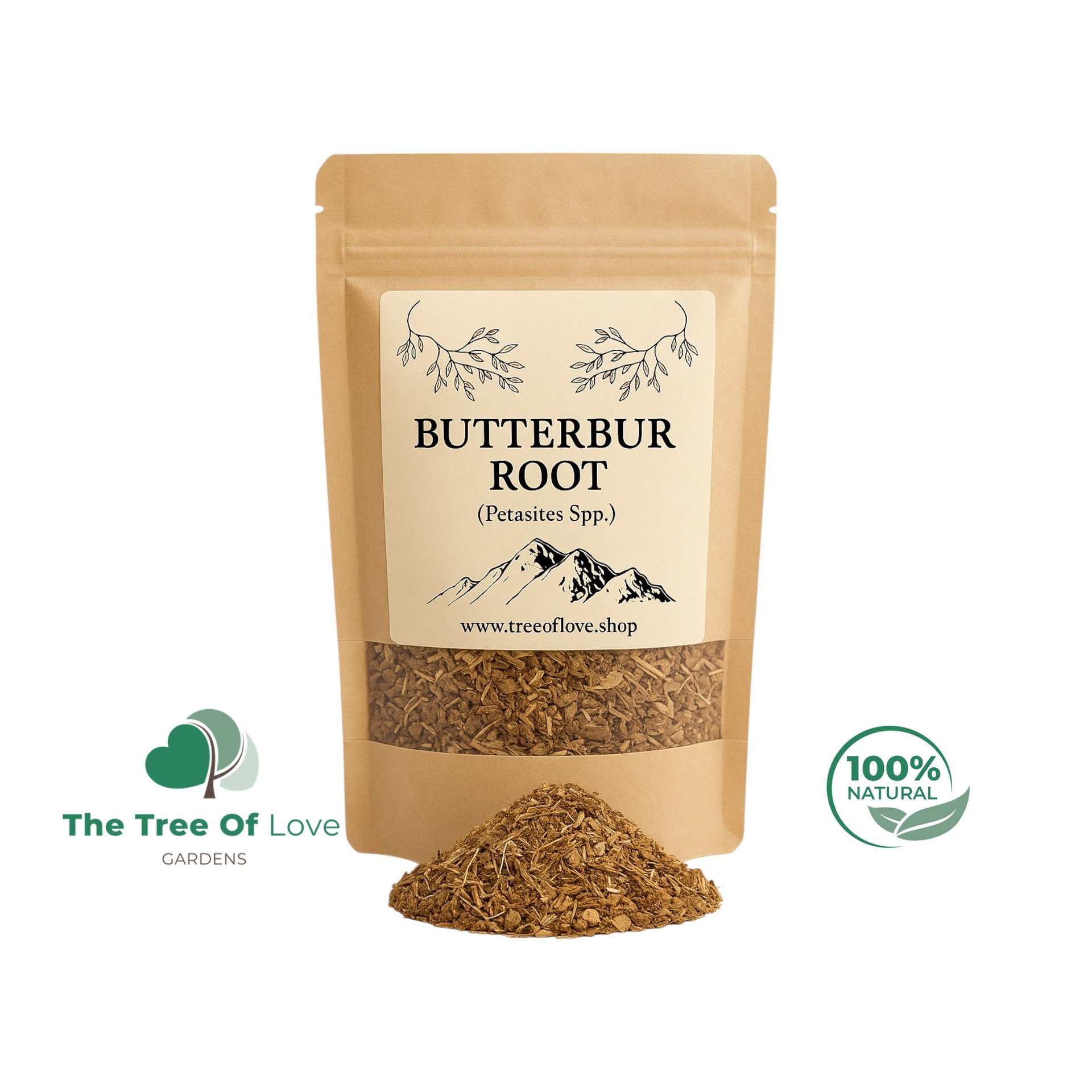
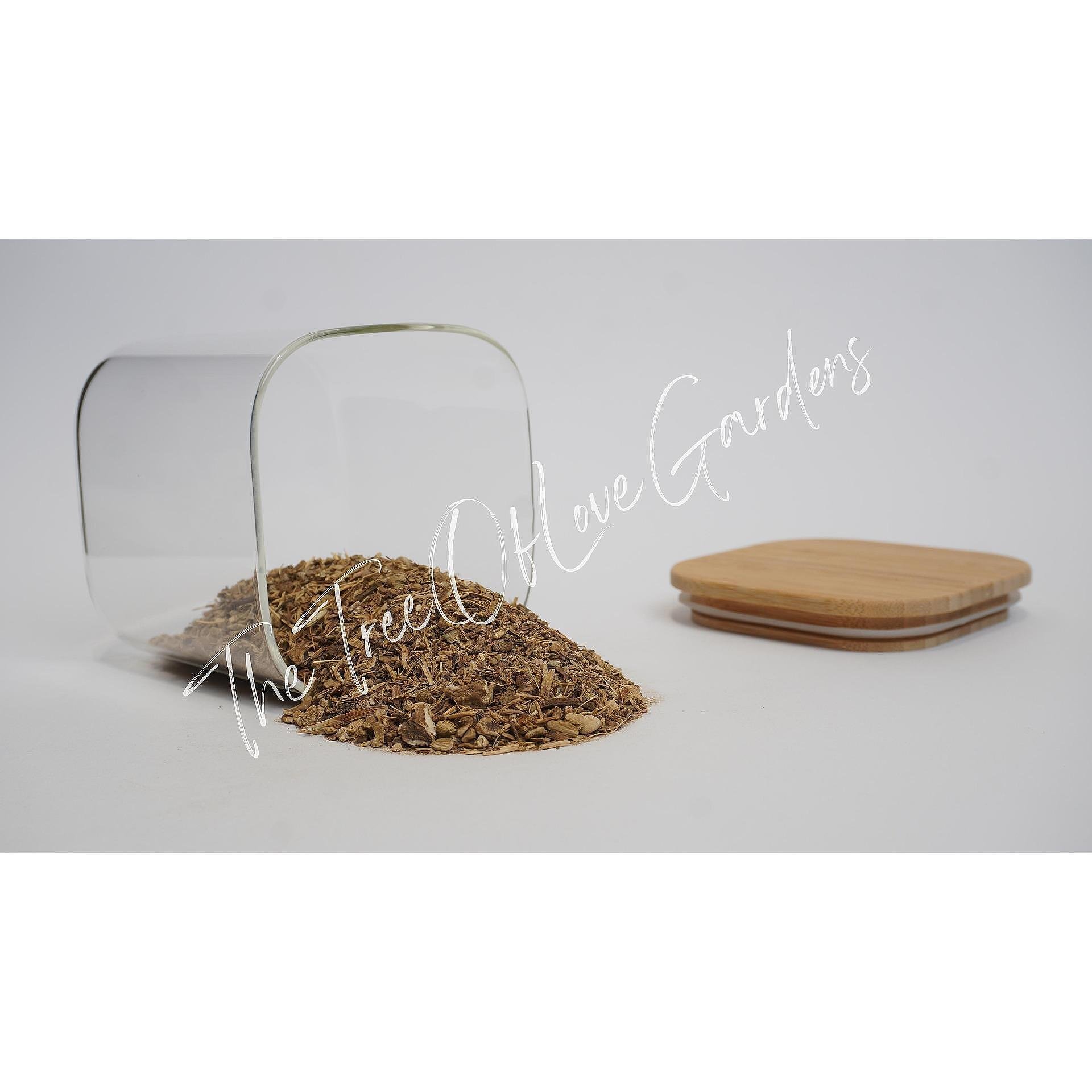
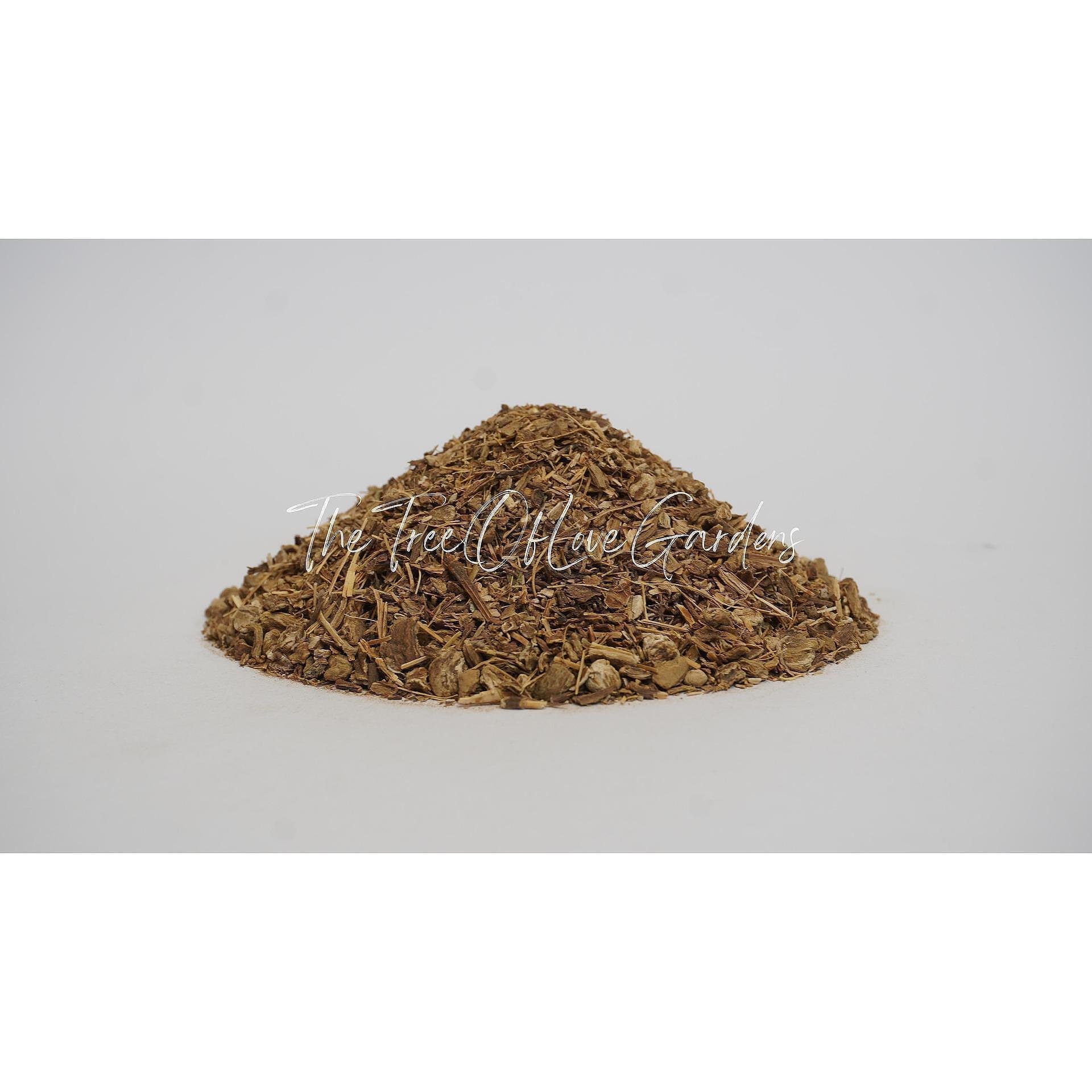
Butterbur Root | Petasites hybridus

From € 2.52

  • Dried root and rhizome of butterbur, Petasites
  • A classic plant of European riverbanks and herbal history
  • For botanical collections and herbal study
  • Not for tea or internal use, please read the safety notes
  • Available from small packs to bulk sizes
  • Wildcrafted & 100% natural
  • Packed fresh in small batches
  • Secure checkout

What Is Butterbur?

Butterbur (Petasites hybridus) is a large perennial plant of the daisy family that grows in damp places along streams, rivers and wet meadows across Europe and northern Asia. It is best known for its enormous, rhubarb-like leaves, which can reach up to 3 feet (90 cm) across.

Its common name comes from those leaves. Before refrigeration, farmers and dairymaids wrapped butter in the cool, wide leaves to keep it fresh in summer. The botanical name Petasites comes from the Greek petasos, a broad-brimmed hat, also inspired by the giant leaves.

In early spring, before the leaves appear, butterbur sends up thick spikes of pinkish-purple flowers. The plant spreads by a thick, creeping rhizome, which is the part dug and dried as butterbur root.

Butterbur root has a long history in European herbal tradition. However, the raw root naturally contains pyrrolizidine alkaloids, compounds that can damage the liver. Commercial butterbur preparations are made from specially processed extracts with these compounds removed. For that reason we offer dried butterbur root only for botanical collections, herbal study and craft use, and not for tea or any internal use.

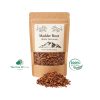
Our butterbur root contains only the dried root with nothing added. It is sold by weight, from small packs to bulk.
How to Use Butterbur Root

  • Botanical collections: Use the dried root for herbarium and botanical study collections.
  • Herbal study: Herbal students use the dried root to learn plant identification by sight, smell and texture.
  • Handle with care: Keep the root separate from culinary herbs, and wash your hands after handling.

Safety

Not for internal use. Raw butterbur root naturally contains pyrrolizidine alkaloids, which can cause serious liver damage. Do not make tea or eat. Keep away from food products, children and pets.

Frequently Asked Questions

Can I make butterbur tea?

No. Raw butterbur root contains pyrrolizidine alkaloids, which can harm the liver. It is not suitable for tea or internal use.

Why is it called butterbur?

Its huge leaves were once used to wrap butter and keep it cool in summer.

What is the difference between this and butterbur supplements?

Supplements are made from special extracts with the harmful pyrrolizidine alkaloids removed. Dried raw root does not have that processing.

Where does butterbur grow?

In damp places along streams and rivers across Europe and northern Asia.

How should I store butterbur root?

Keep it in an airtight container in a cool, dry place, away from children, pets and food products.

Butterbur Root Specifications

Common name Butterbur, common butterbur
Botanical name Petasites hybridus
Family Asteraceae (daisy family)
Plant part Root and rhizome
Form Dried, cut
Ingredients 100% butterbur root
Uses Botanical collections, herbal study
Pack sizes From small packs to bulk
Storage Airtight, cool, dry, away from food, children and pets
Weight 0.01 kg
Weight

1 oz (28 grams), 2 oz (57 grams), 3 oz (85 grams), 4 oz (114 grams), 6 oz ( 170 grams), 8 oz (226 grams), 1 lb ( 454 grams), 2 lbs ( 907 grams), 3 lbs ( 1361 grams)o, 4 lbs ( 1814 grams), 1/4 oz (7 grams), 1/2 oz ( 14 grams )

Reviews

There are no reviews yet.

Be the first to review “Butterbur Root | Petasites hybridus”

Your email address will not be published. Required fields are marked *