What Is Siberian Ginseng Root?
Siberian ginseng is the common name for Eleutherococcus senticosus, a thorny shrub that grows in the forests of the Russian Far East, northeastern China, Korea and Japan. Today it is often simply called eleuthero, because it is not a true ginseng. True ginsengs belong to the genus Panax, while eleuthero is only a distant relative in the same plant family, Araliaceae.
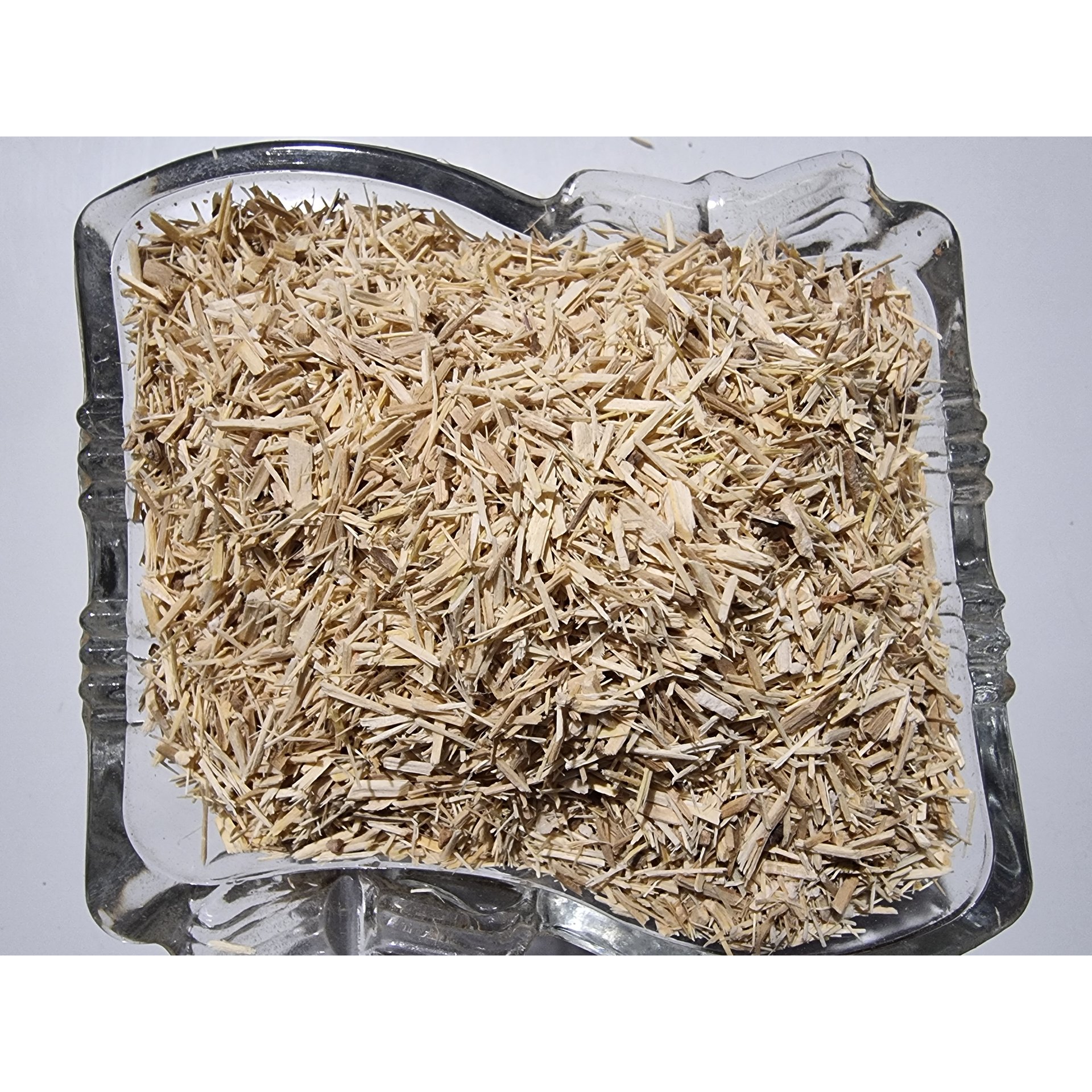
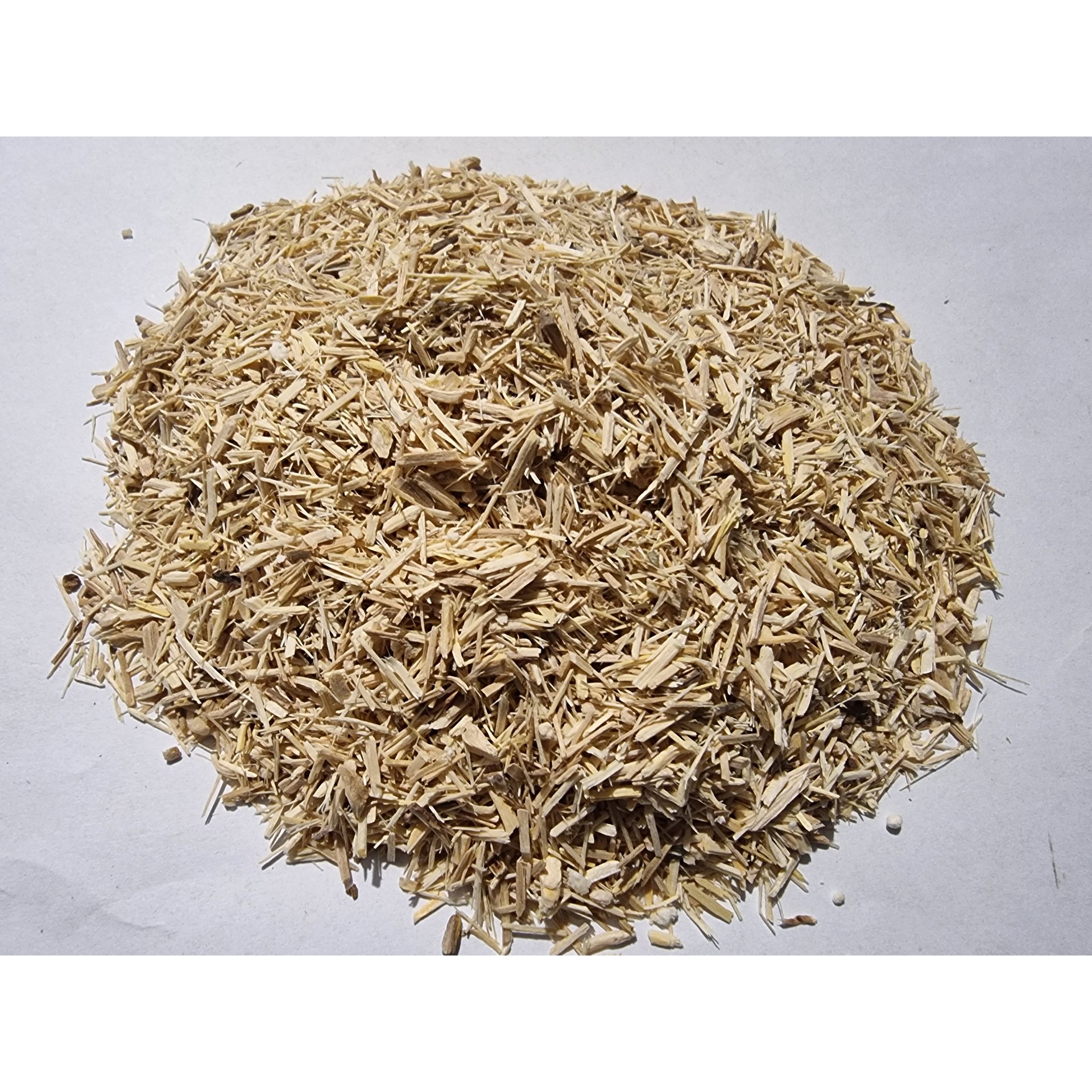
The shrub grows up to 10 feet (3 m) tall, with stems covered in fine spines, leaves divided into five leaflets and round clusters of small black berries in autumn. The roots and rhizomes are dug, cleaned, cut and dried.
Eleuthero has a long history in traditional Chinese herbal practice, where it is known as ci wu jia, and it became widely known in the 20th century when it was studied extensively in the former Soviet Union. Today the dried root is used to brew a mild, woody and slightly sweet root tea, and it is a common ingredient in herbal tea blends.
Because it is dense and woody, the root is best prepared as a decoction: simmered in water for 10 to 15 minutes rather than briefly steeped.
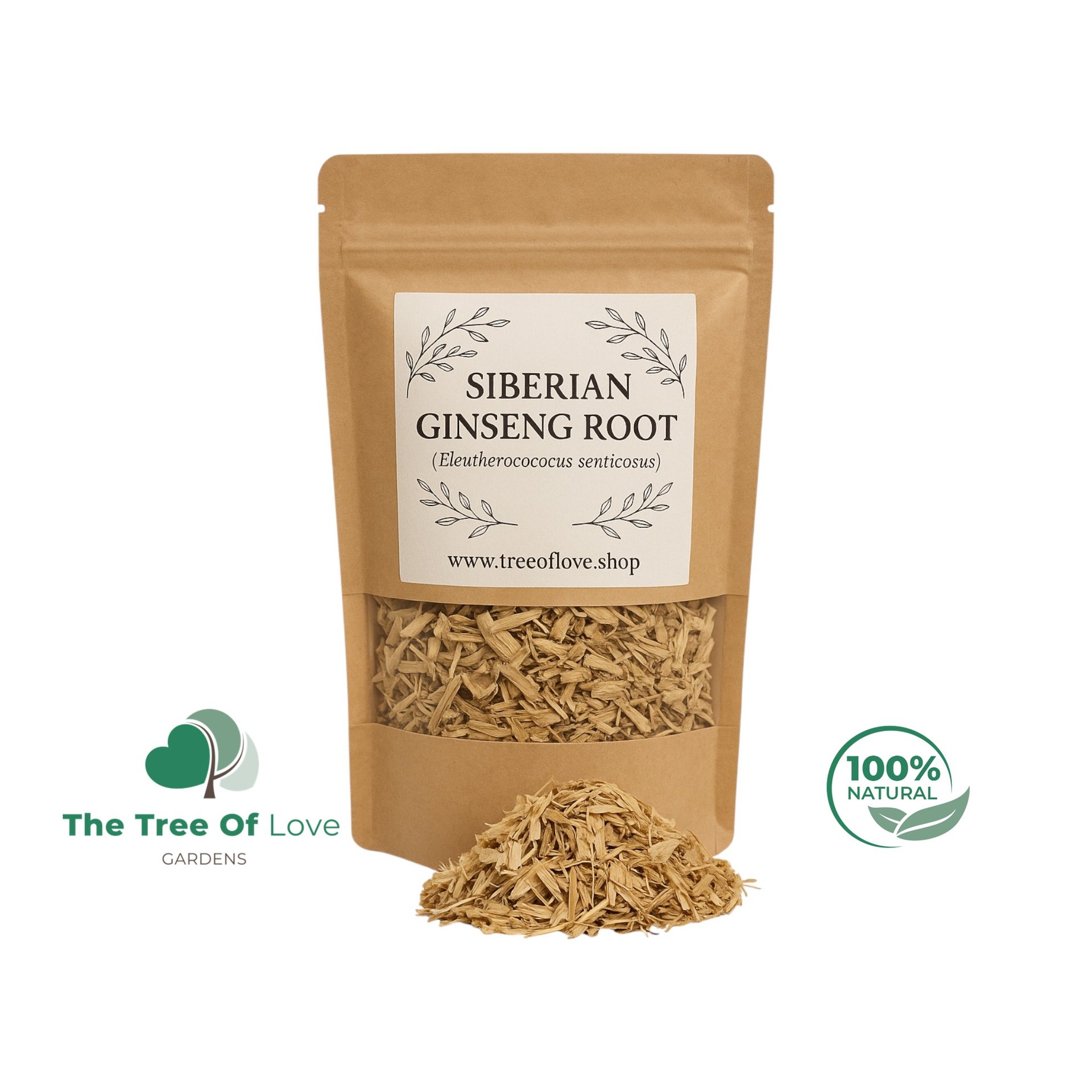
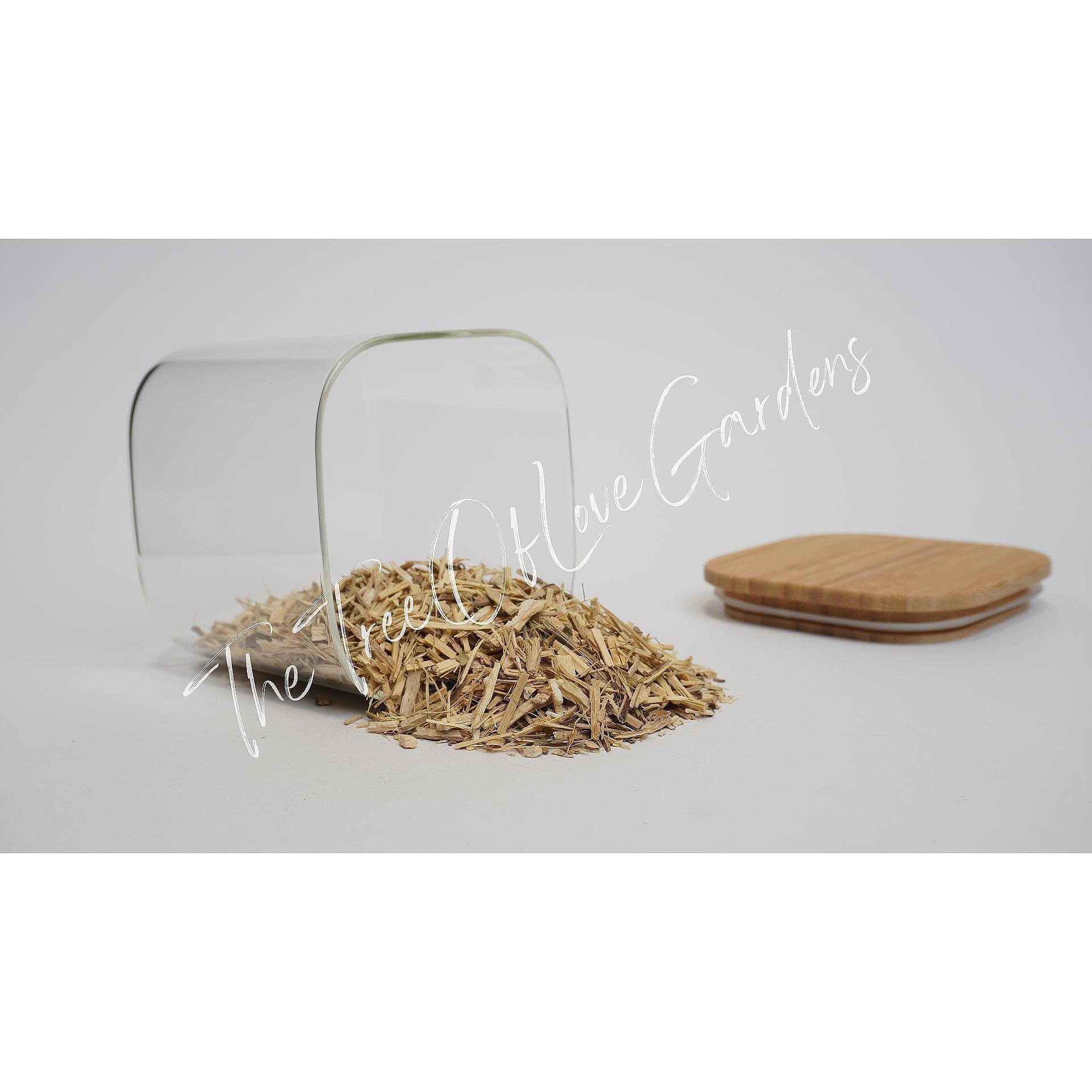
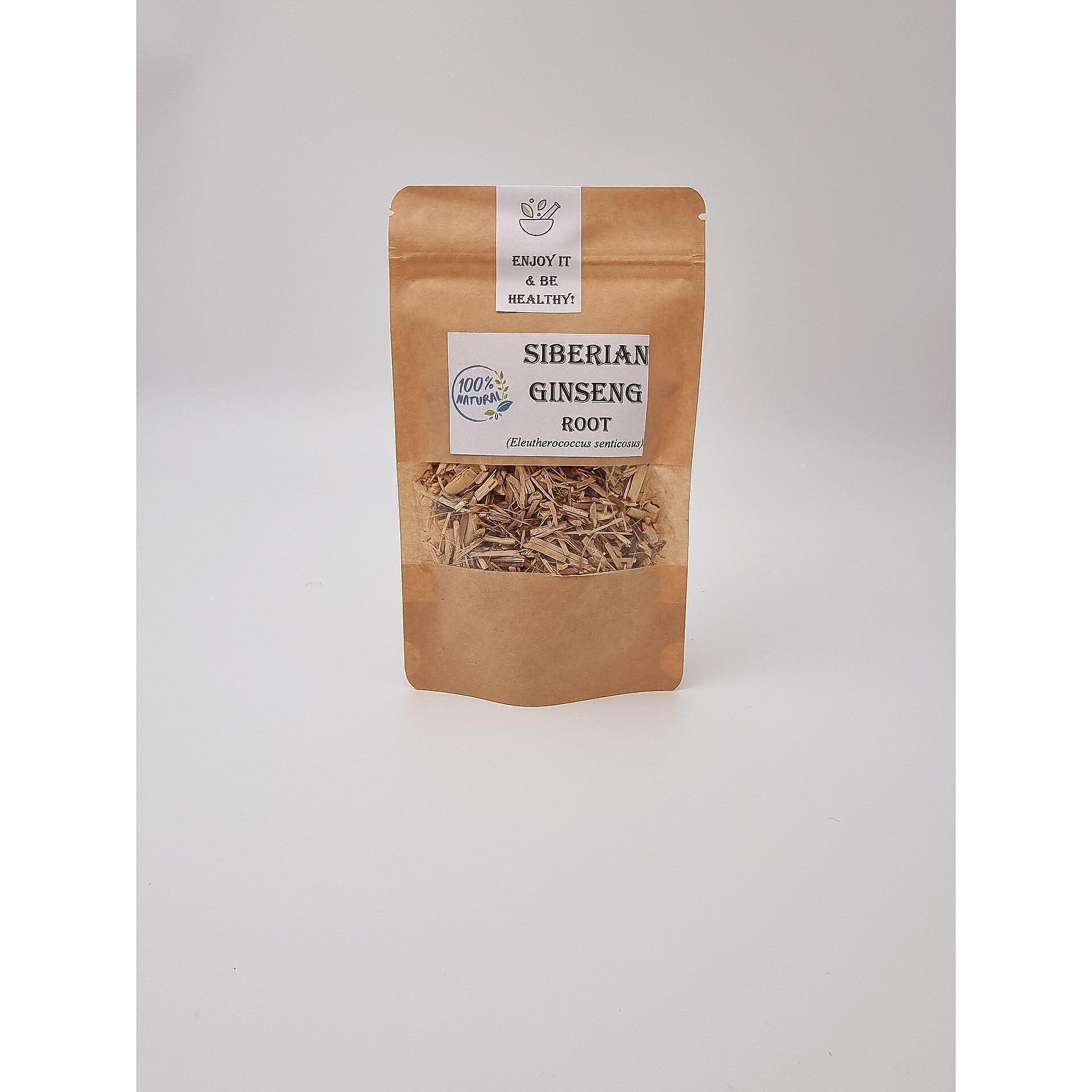
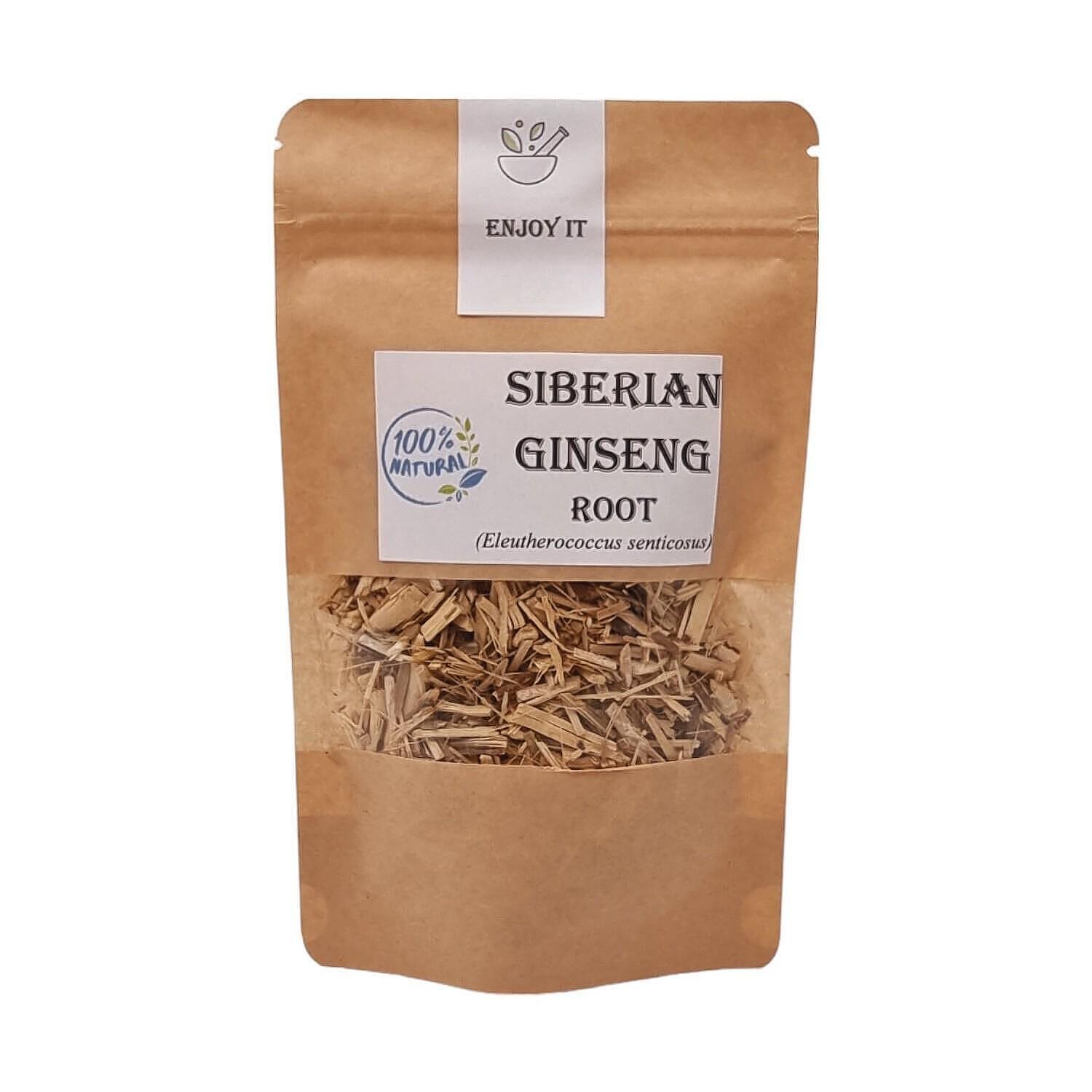
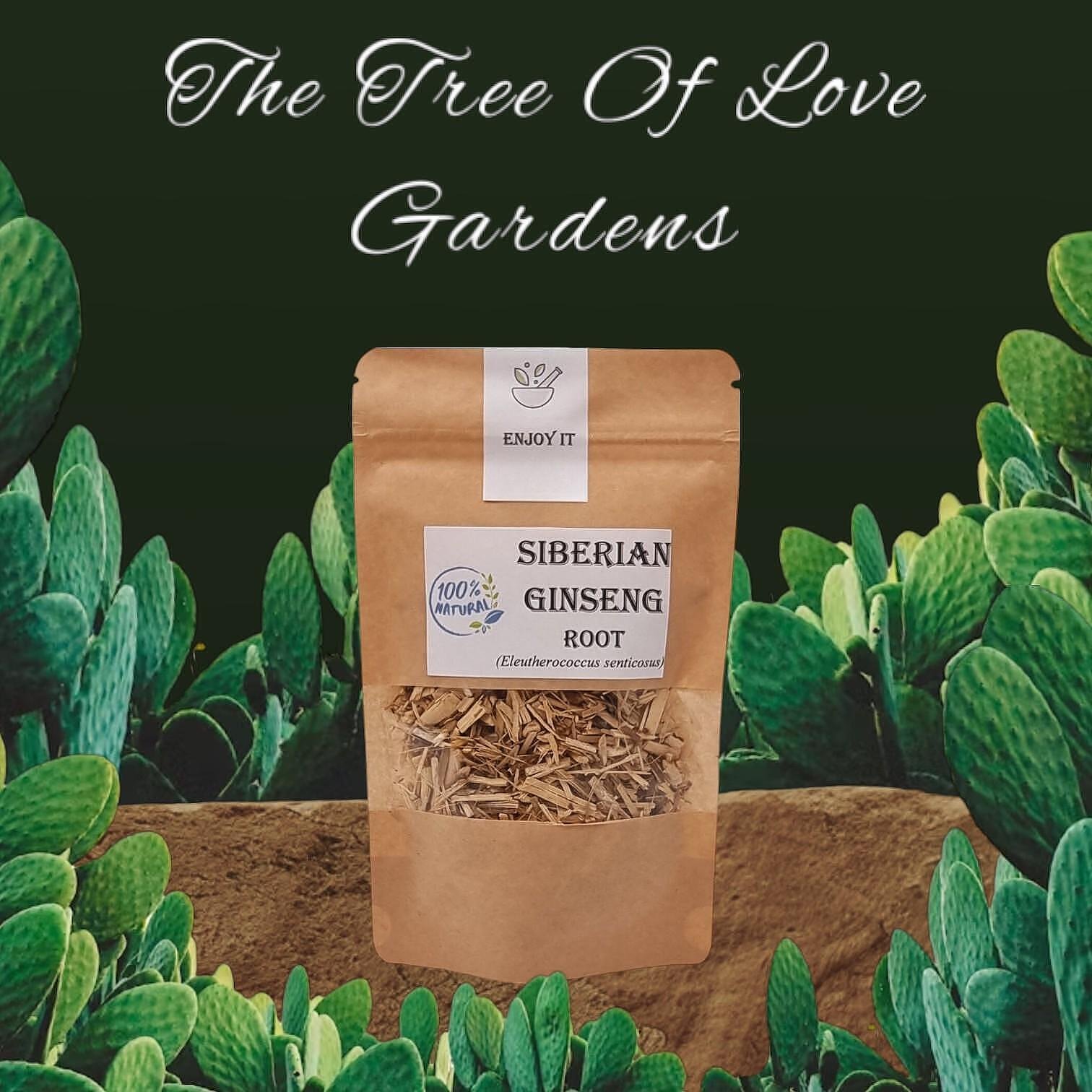
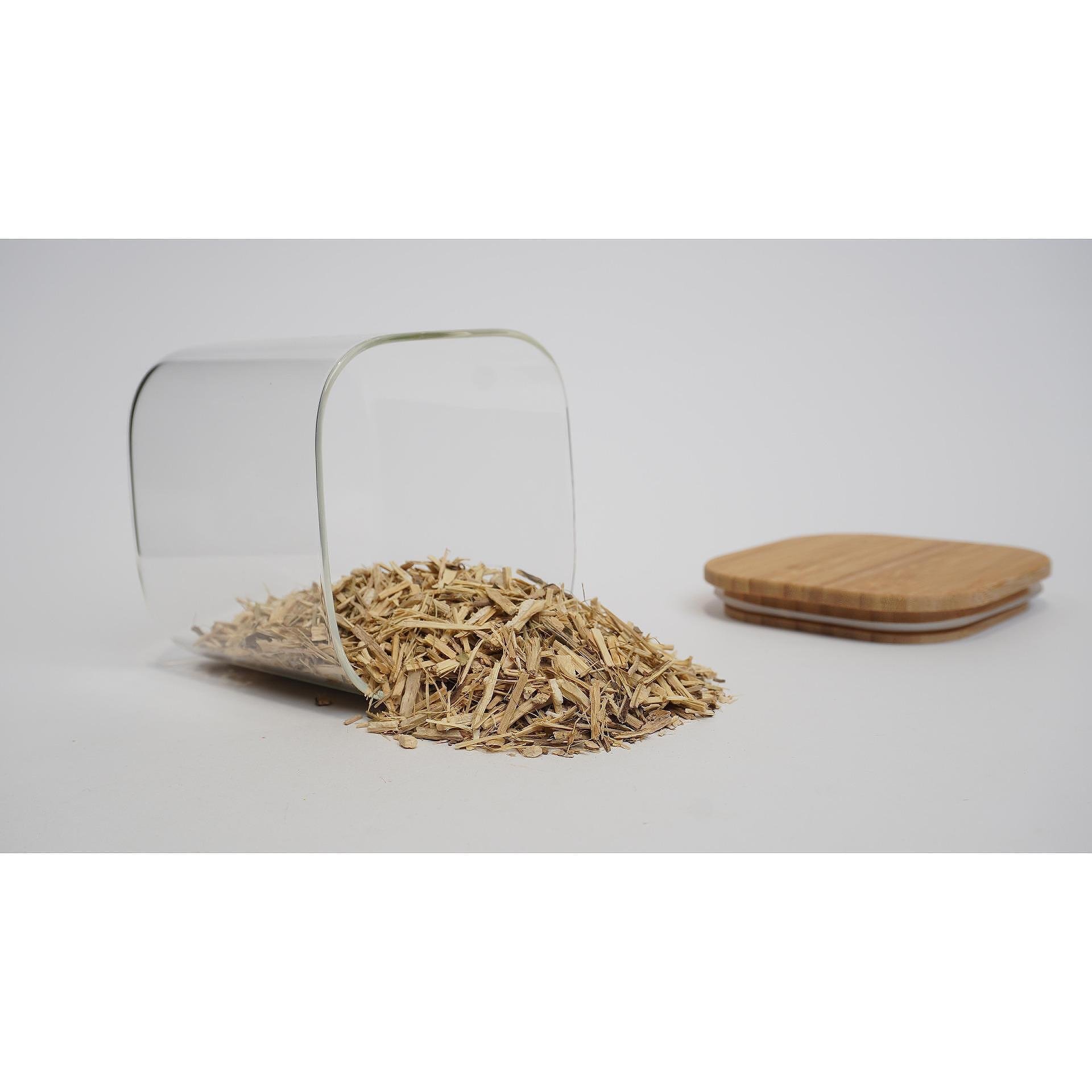
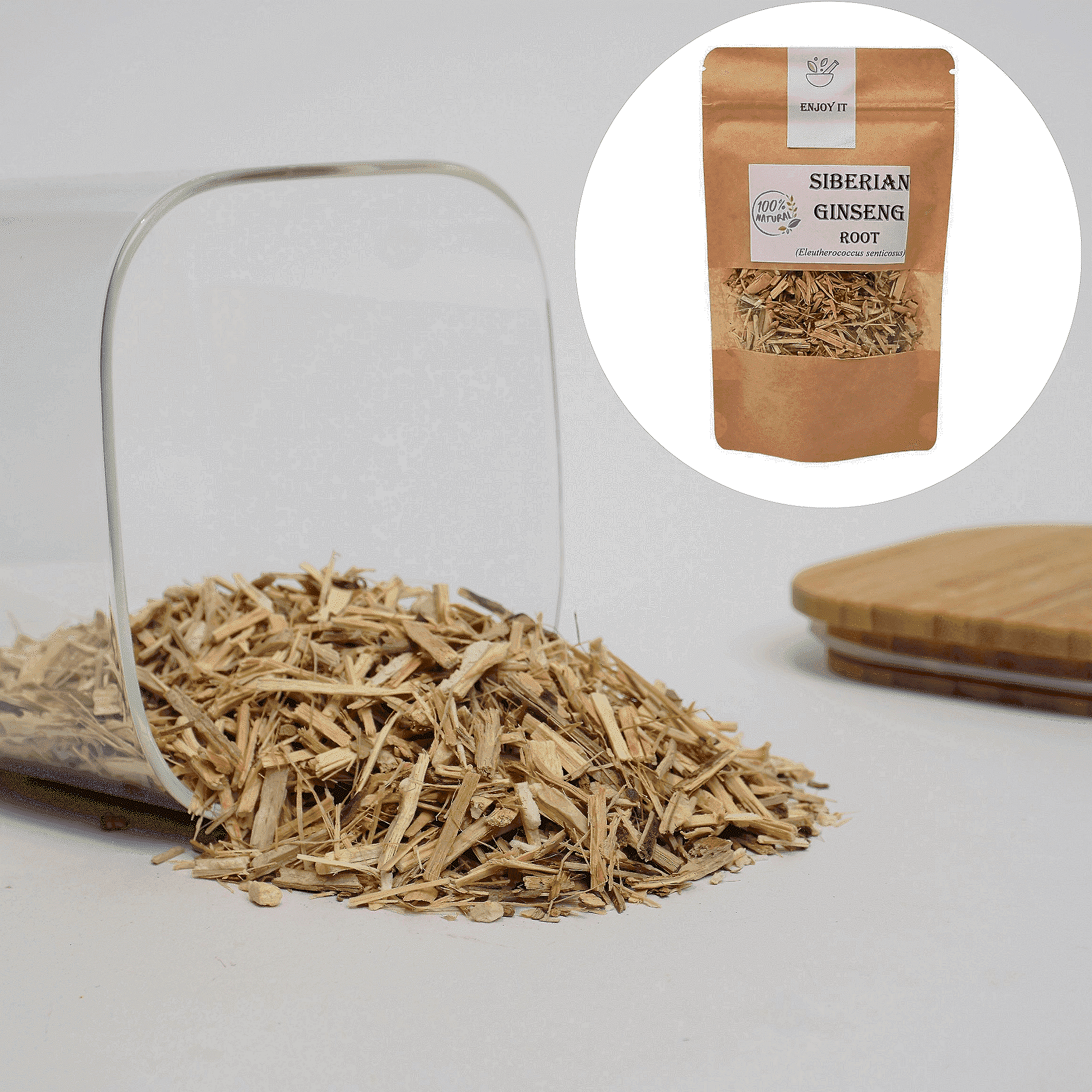
Our Siberian ginseng root contains only dried Eleutherococcus senticosus root with nothing added. It is sold by weight, from small packs to bulk.
How to Use Siberian Ginseng Root
- Root decoction: Simmer 1 to 2 teaspoons (about 2 to 4 g) of root in 1 1/2 cups (12 fl oz / 350 ml) of water for 10 to 15 minutes. Strain and drink warm.
- Blends: Combine with ginger, cinnamon, licorice root or green tea.
- Morning cup: Many people prefer eleuthero tea earlier in the day, as part of their morning routine.
Safety
Do not use during pregnancy or while nursing, and do not give to children. Avoid if you have high blood pressure, or take blood-thinning, blood pressure, diabetes or heart medication, unless advised by a qualified healthcare professional. Do not use for long periods without a break. Keep out of reach of children.
Read our full guide: How to make Siberian ginseng root tea: our guide
Frequently Asked Questions
Is Siberian ginseng real ginseng?
No. Siberian ginseng is Eleutherococcus senticosus. True ginseng belongs to the genus Panax. They are distant relatives in the same plant family.
What is eleuthero?
Eleuthero is the modern common name for Eleutherococcus senticosus, also known as Siberian ginseng or ci wu jia.
What does Siberian ginseng root tea taste like?
It is mild, woody and slightly sweet, with an earthy finish.
Does Siberian ginseng contain caffeine?
No. It contains no caffeine.
How should I store the root?
Keep it in an airtight container in a cool, dry and dark place.

Reviews
There are no reviews yet.