What Is Cramp Bark?
Cramp bark is the dried bark of the guelder rose (Viburnum opulus), a deciduous shrub or small tree native to Europe, North Africa and northern Asia. A closely related variety, highbush cranberry, grows in North America. The plant grows in damp woods, hedgerows and along rivers, and is also widely planted in gardens.
In late spring the shrub carries flat, lace-cap clusters of white flowers, and in autumn it is covered in bright, translucent red berries and maple-like leaves that turn deep red. In Ukraine, where it is called kalyna, the guelder rose is a national symbol that appears in songs, embroidery and folk art.
The bark is stripped from the branches in spring or early summer and dried. It has a long history in the folk herbal traditions of Europe and North America, where it earned its common name. Cramp bark was listed in the United States Pharmacopoeia in the 19th and early 20th centuries.
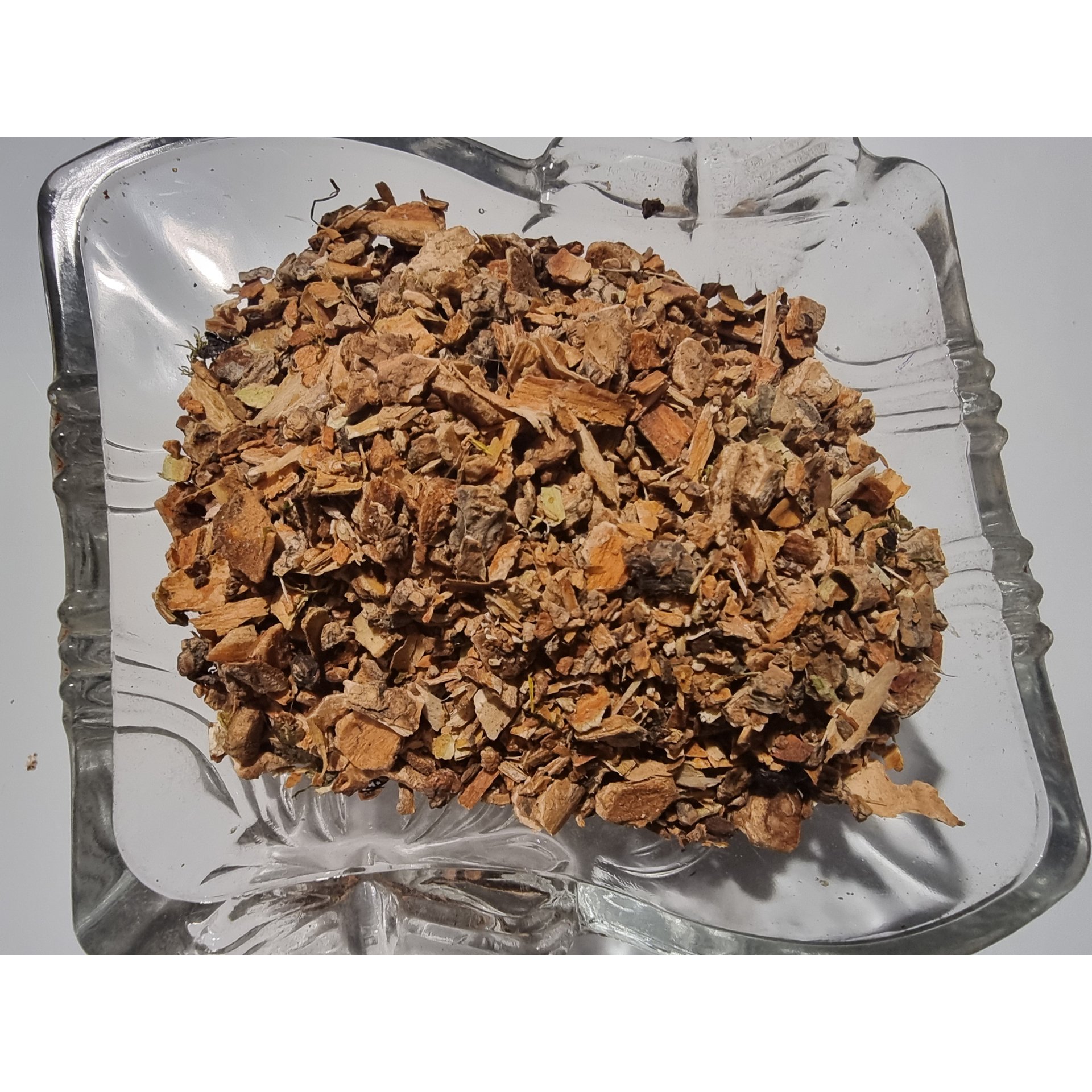
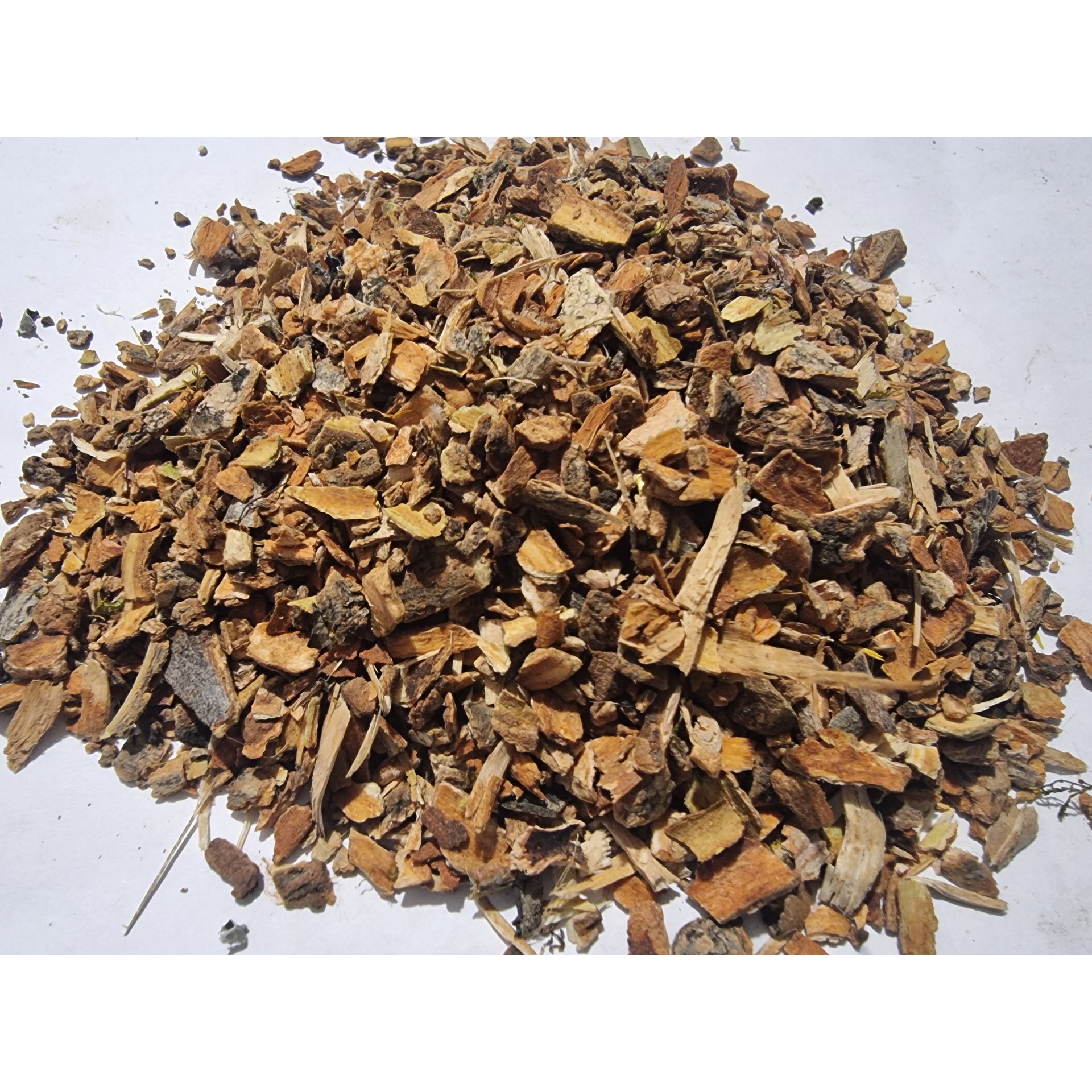
Today cramp bark is used by herbalists to make bark decoctions, tinctures and herbal blends. The bark has a woody, slightly bitter and astringent taste.
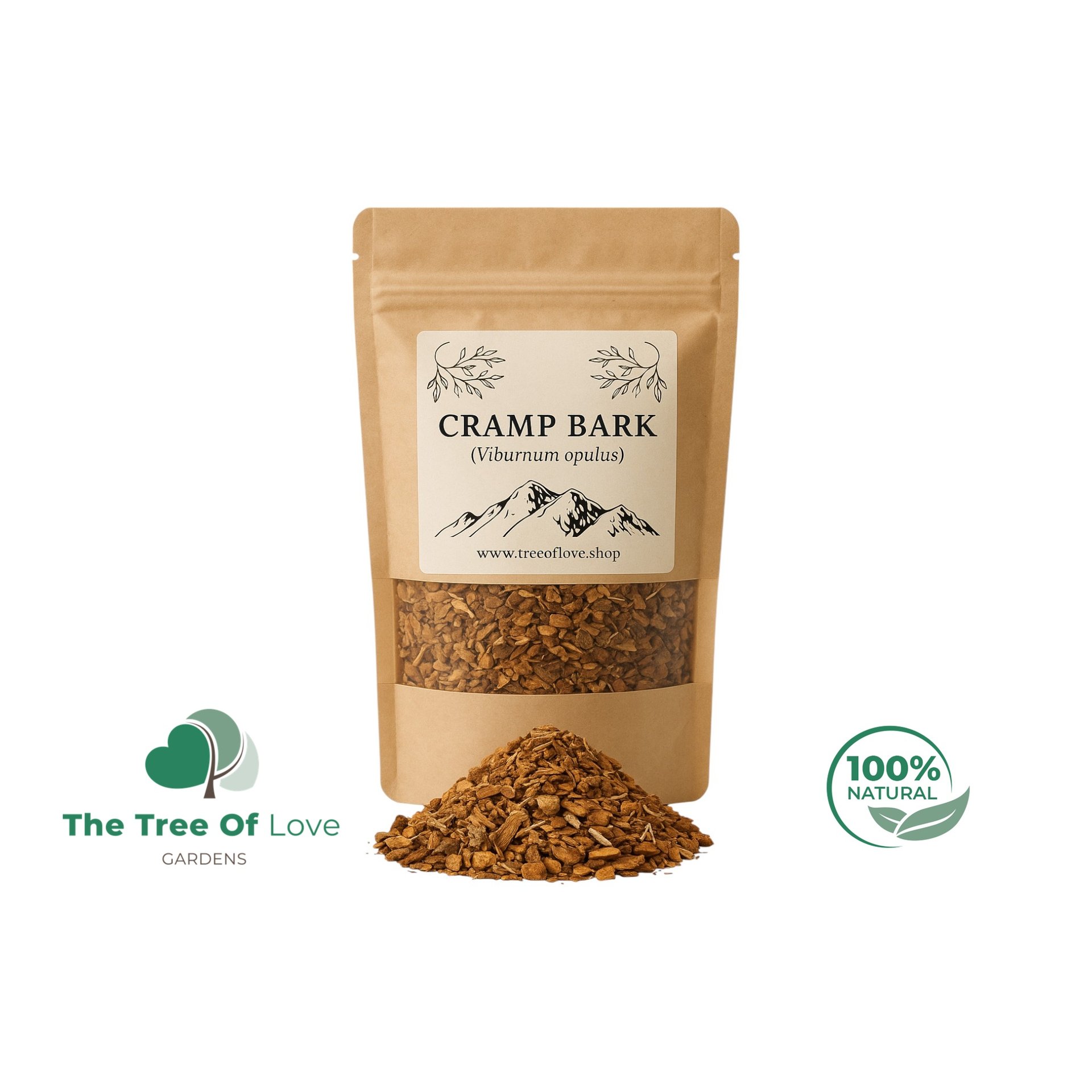
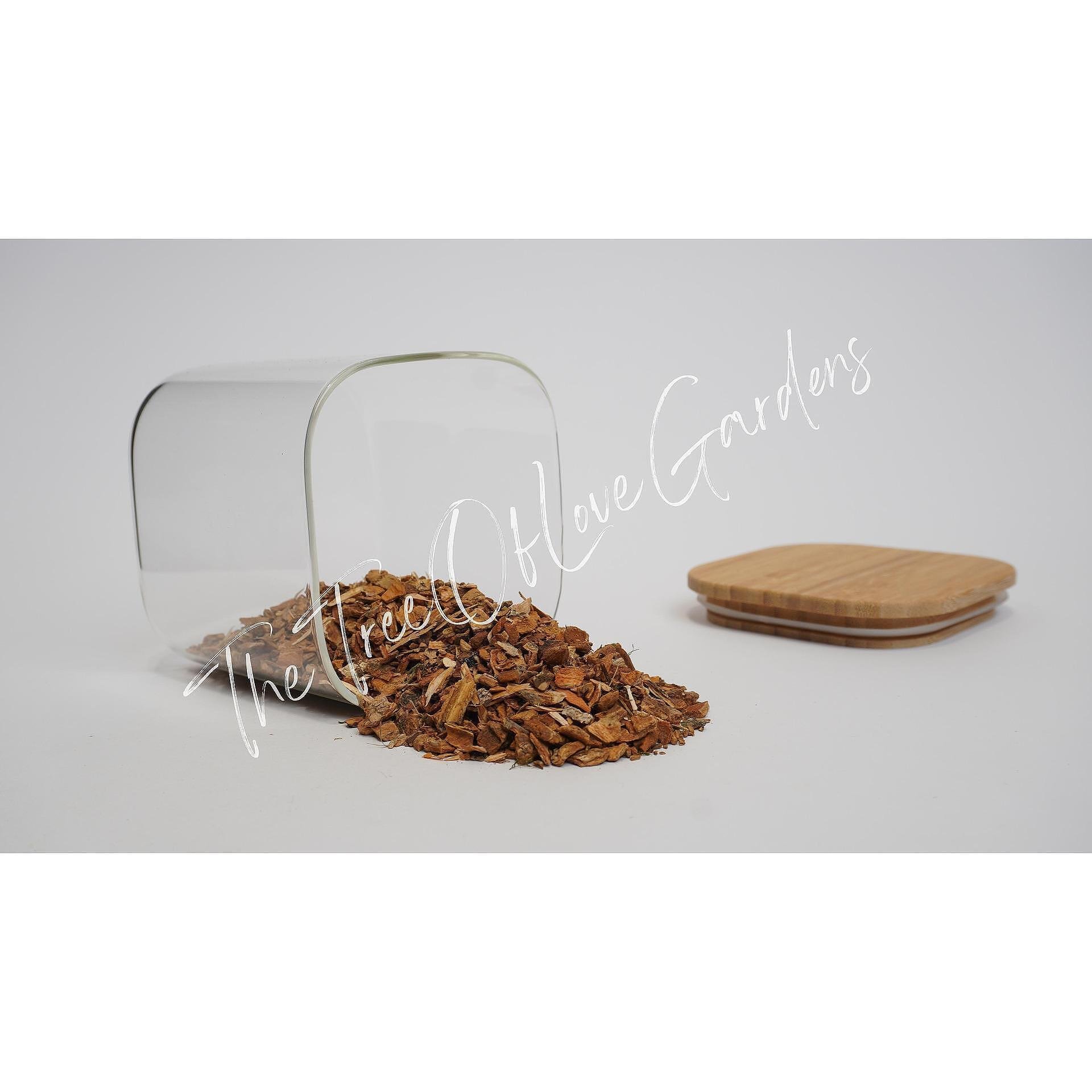
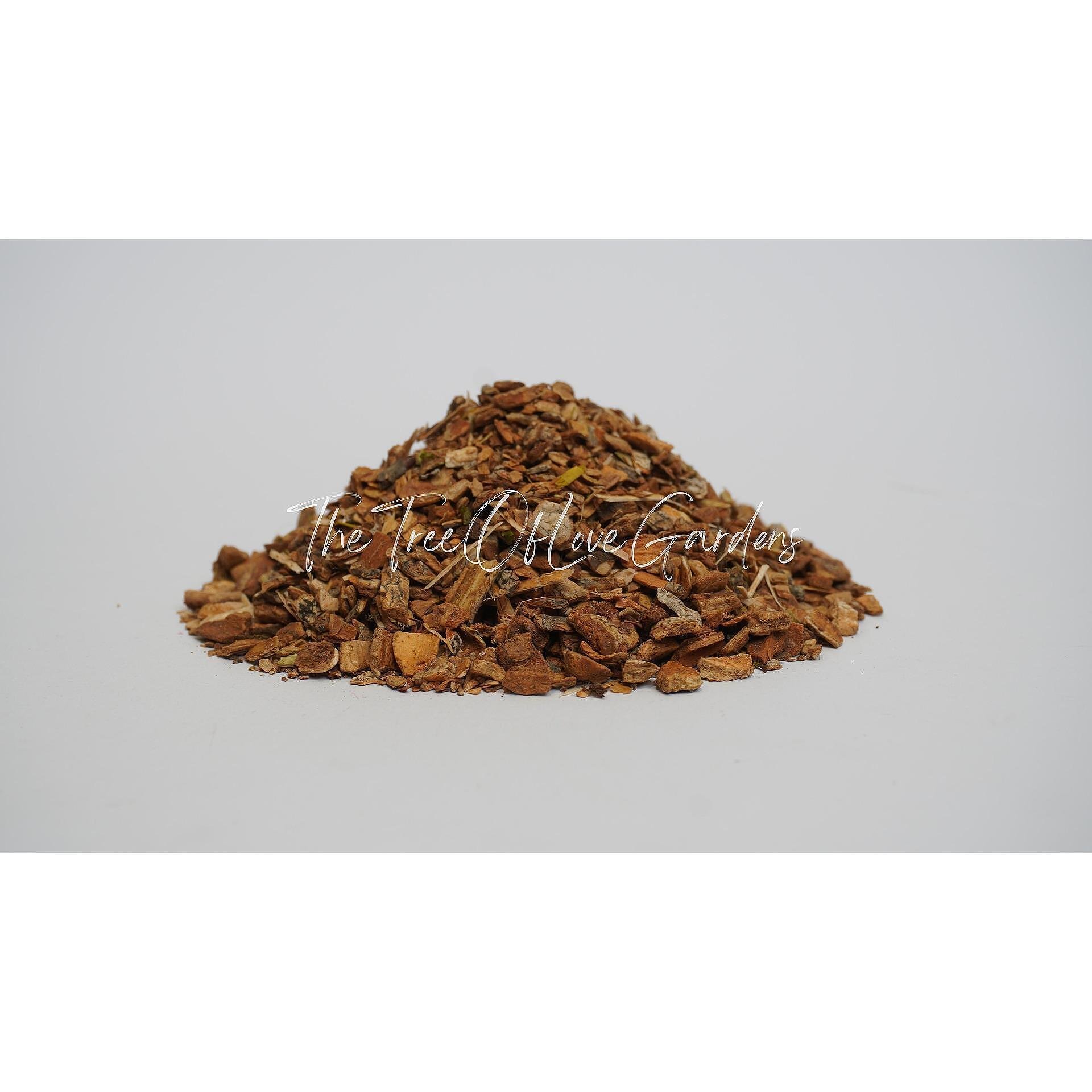
Our cramp bark contains only dried Viburnum opulus bark with nothing added. It is sold by weight, from small packs to bulk.
How to Use Cramp Bark
- Bark decoction: Simmer 1 to 2 teaspoons (about 2 to 4 g) of bark in 1 1/2 cups (12 fl oz / 350 ml) of water for 10 to 15 minutes. Strain and drink warm.
- Tincture: Herbalists macerate the bark in alcohol for several weeks to make a tincture.
- Blends: Combine with ginger, cinnamon or chamomile to soften the bitter taste.
Safety
Do not eat raw guelder rose berries. Do not use during pregnancy or while nursing, and avoid if you take blood-thinning or blood pressure medication, unless advised by a qualified healthcare professional. Keep out of reach of children.
Read our full guide: How to prepare cramp bark tea: step-by-step
Frequently Asked Questions
What is cramp bark?
Cramp bark is the traditional name for the dried bark of Viburnum opulus, the guelder rose.
Is cramp bark the same as viburnum bark?
Yes. Cramp bark comes from Viburnum opulus. Black haw is a related species, Viburnum prunifolium.
What does cramp bark taste like?
It is woody, slightly bitter and astringent.
How is cramp bark prepared?
Bark is best simmered as a decoction for 10 to 15 minutes, rather than briefly steeped.
How should I store cramp bark?
Keep it in an airtight container in a cool, dry place.

Reviews
There are no reviews yet.