What Are Honey Locust Pods?
Honey locust (Gleditsia triacanthos) is a tall tree of the pea family native to central and eastern North America and now widely planted in Europe as a street and park tree. Wild trees carry fierce branched thorns, which is where the species name triacanthos, three-thorned, comes from.
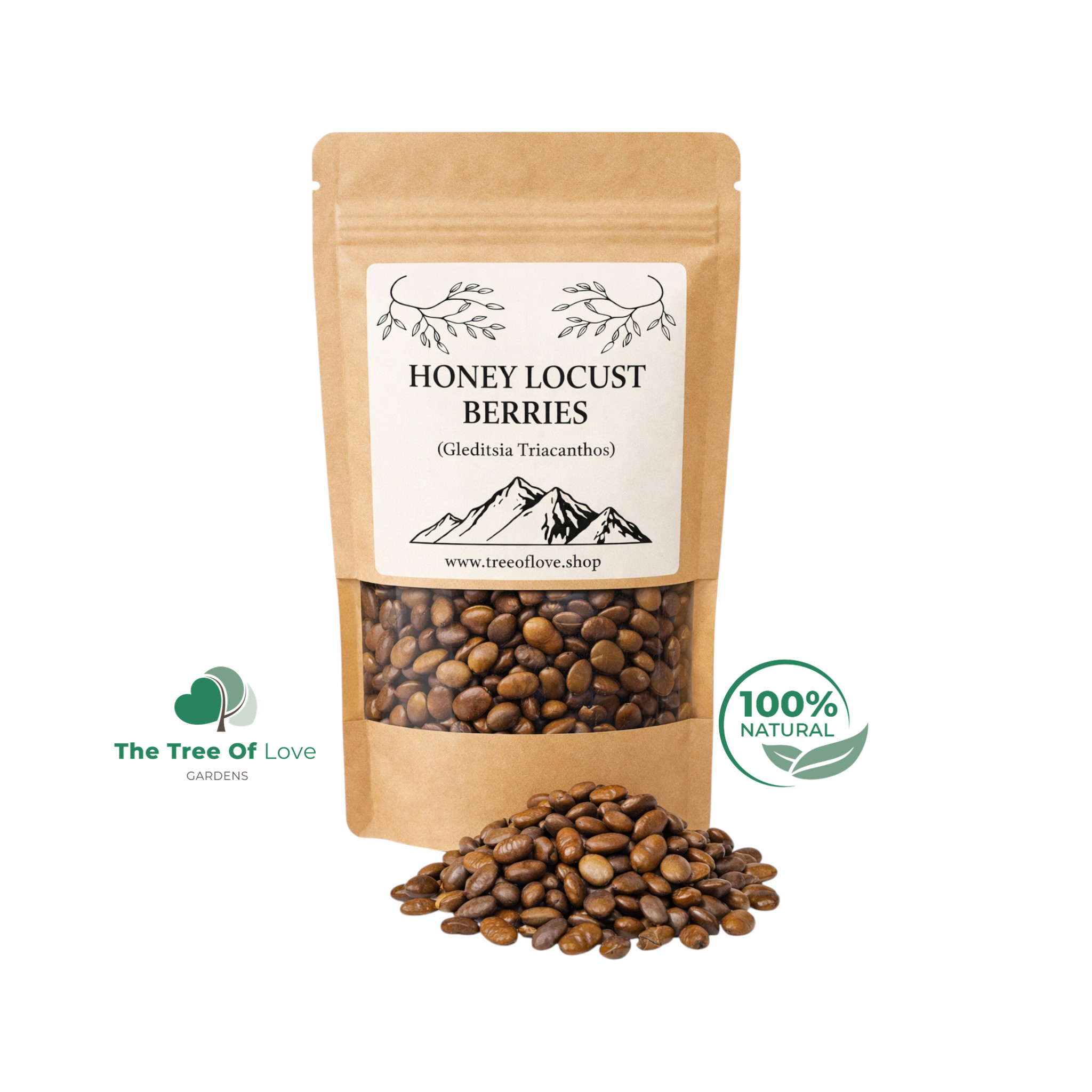
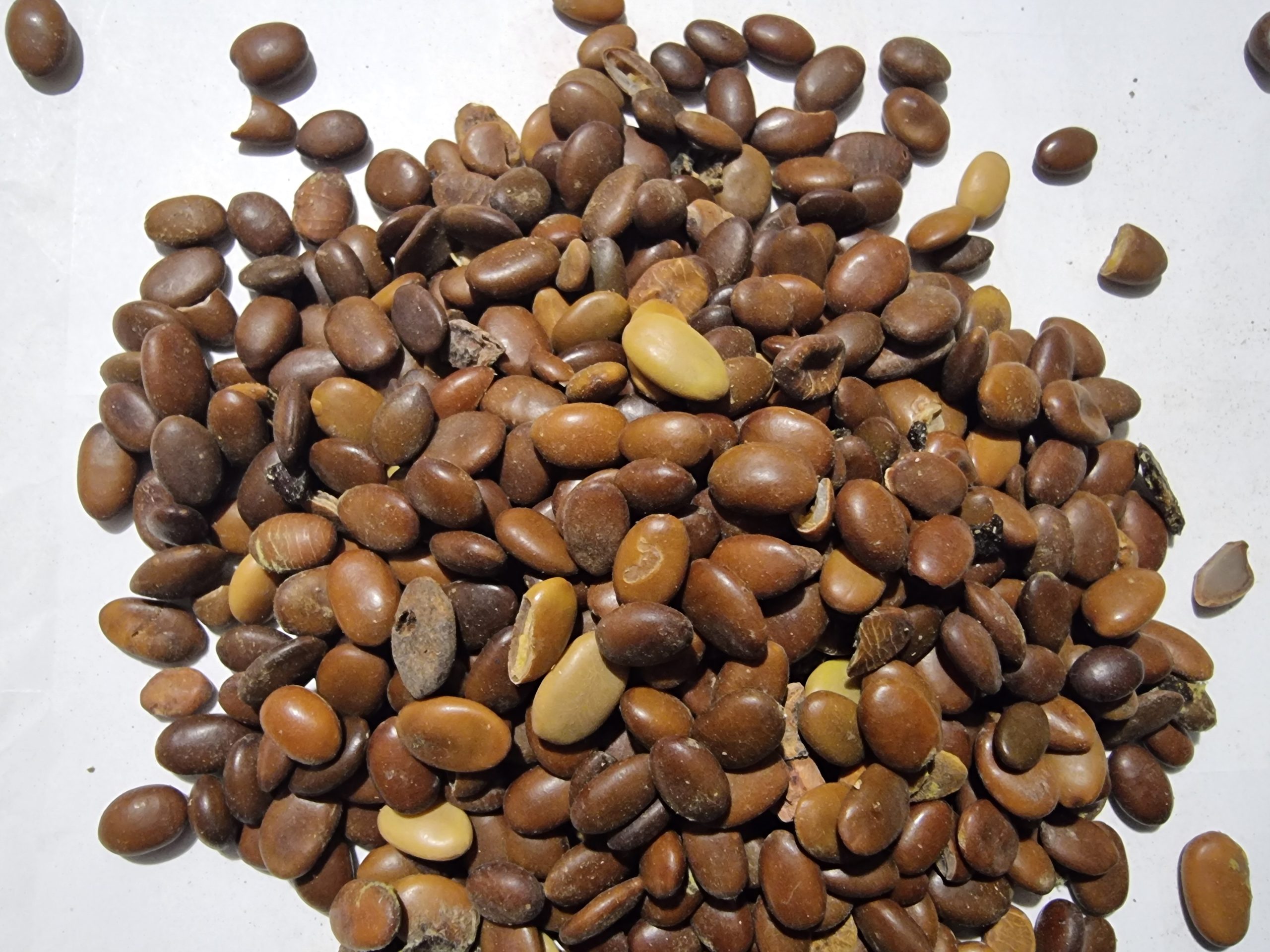
In autumn the tree drops long, flat, twisted pods, often 8 to 16 inches (20 to 40 cm) long, that turn dark reddish-brown as they dry. Between the hard seeds, the pods contain a sticky, sweet pulp that gave the tree its name. In Europe these pods are often sold as honey locust berries.
The sweet pulp has a long history of use. Native American communities ate it and used it to sweeten foods, and early settlers fermented the pods into a sweet drink. Today foragers scrape the pulp from the pods for syrups and baking, and simmer the pods to make a lightly sweet, caramel-scented drink.
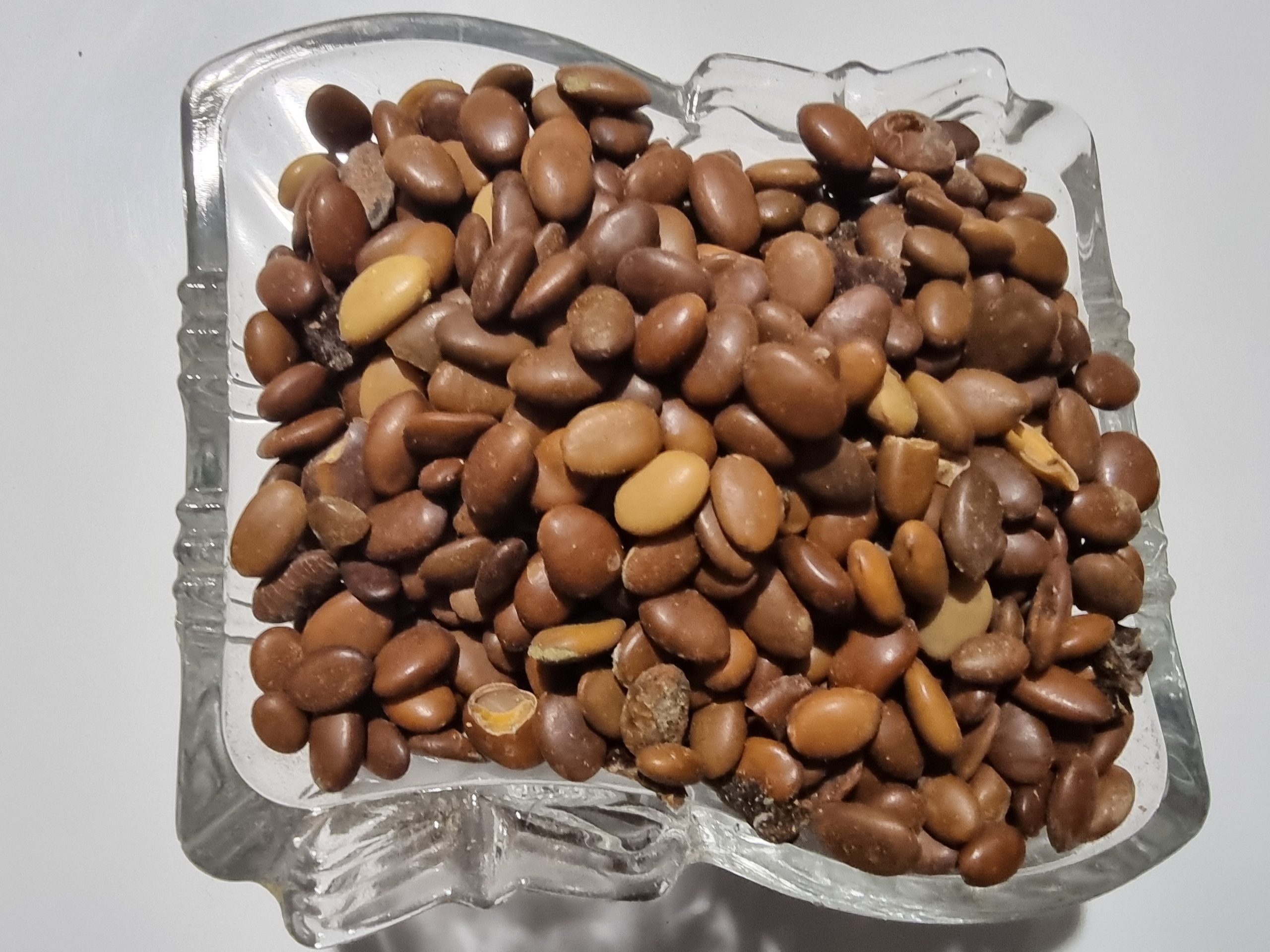
Only the pulp is used. The seeds are very hard and are usually discarded. Dried pods also make striking material for botanical collections and natural decorations.
Our honey locust pods contain only dried Gleditsia triacanthos pods. They are sold by weight, from small packs to bulk.
How to Use Honey Locust Pods
- Sweet drink: Break 2 to 3 pods into pieces and simmer in 4 cups (1 liter) of water for 20 to 30 minutes. Strain and drink warm or chilled.
- Syrup: Simmer the pod pieces longer, strain, then reduce the liquid with a little sugar until syrupy.
- Pulp for baking: Soak the pods, split them open and scrape out the sweet pulp. Discard the seeds.
Safety
Use only the pulp, not the seeds. Do not confuse with black locust pods, which are not edible. Avoid if you are allergic to legumes. If you are pregnant, nursing, taking medication or have a medical condition, consult a qualified healthcare professional before use. Keep out of reach of children.
Read our full guide: Discover honey locust berries: uses and recipes
Frequently Asked Questions
Are honey locust pods edible?
The sweet pulp inside the pods has been eaten traditionally. Use only the pulp, not the hard seeds.
Is honey locust the same as black locust or carob?
No. Black locust is Robinia pseudoacacia, whose pods are not edible. Carob is Ceratonia siliqua. Honey locust is Gleditsia triacanthos.
Why are they called honey locust berries?
The pods are sometimes called berries in Europe. The name honey refers to the sweet pulp.
What do honey locust pods taste like?
The pulp is sweet, with a caramel and dried fruit note.
How should I store them?
Keep them in an airtight container in a cool, dry place.

Reviews
There are no reviews yet.