What Is Greater Celandine?
Greater celandine (Chelidonium majus), sometimes spelled calendine, is a perennial plant of the poppy family that grows along walls, hedges, roadsides and woodland edges across Europe and Asia, and is now naturalized in North America. In herbal trade the dried herb is known as Chelidonii herba.
The plant has lobed, blue-green leaves and small, bright yellow four-petaled flowers from spring to autumn. When a stem is broken, it releases a striking yellow-orange latex. The name Chelidonium comes from the Greek word for swallow, because the plant was said to flower when the swallows arrive and fade when they leave.
Greater celandine is one of the best documented plants in the history of European herbalism, mentioned in classical and medieval herbals. Its orange sap has long been used externally in folk tradition.
However, modern safety reviews have linked internal use of greater celandine to cases of liver injury. For that reason we offer it as a dried botanical for collectors, herbal study and traditional external preparations, and we do not recommend it for tea or any internal use.
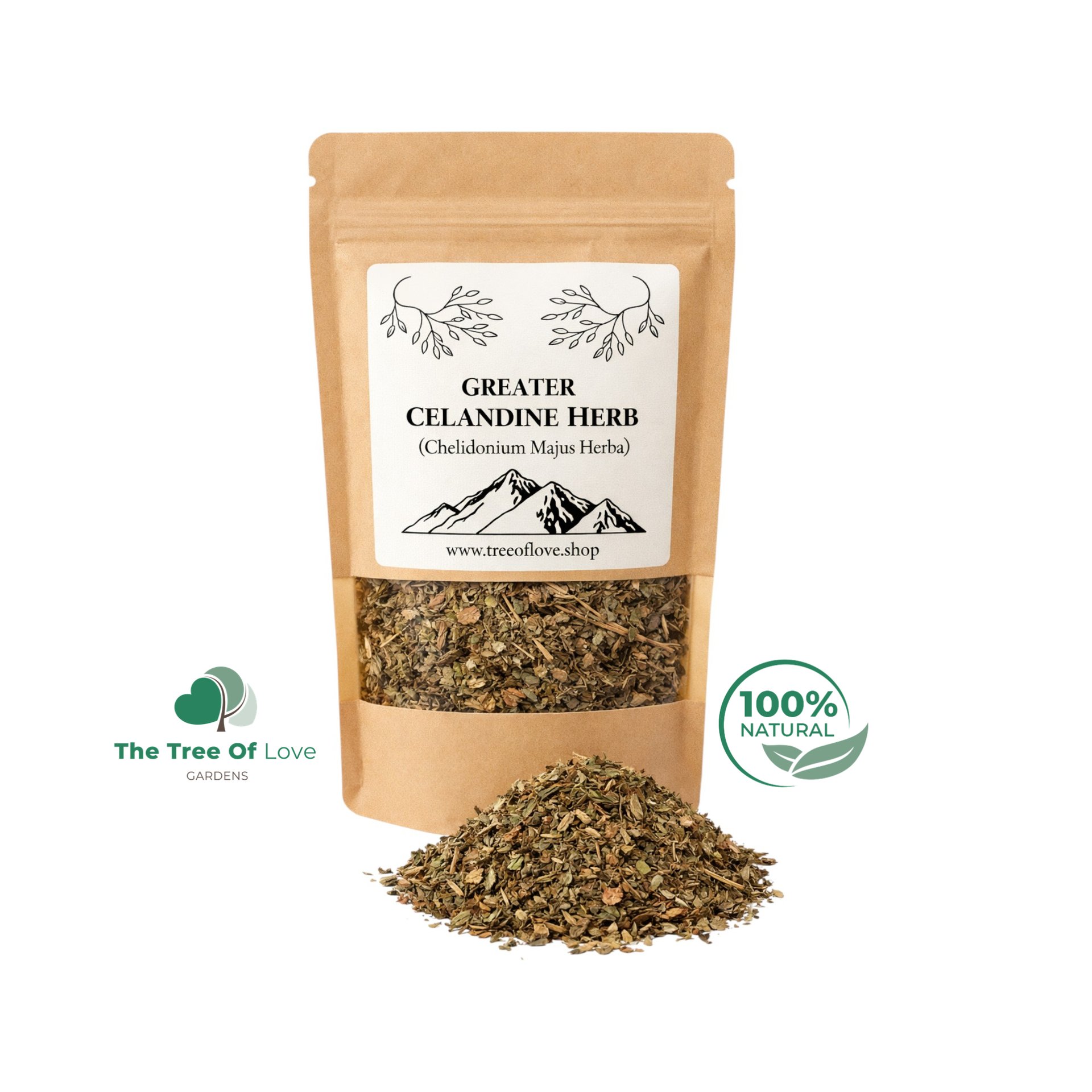
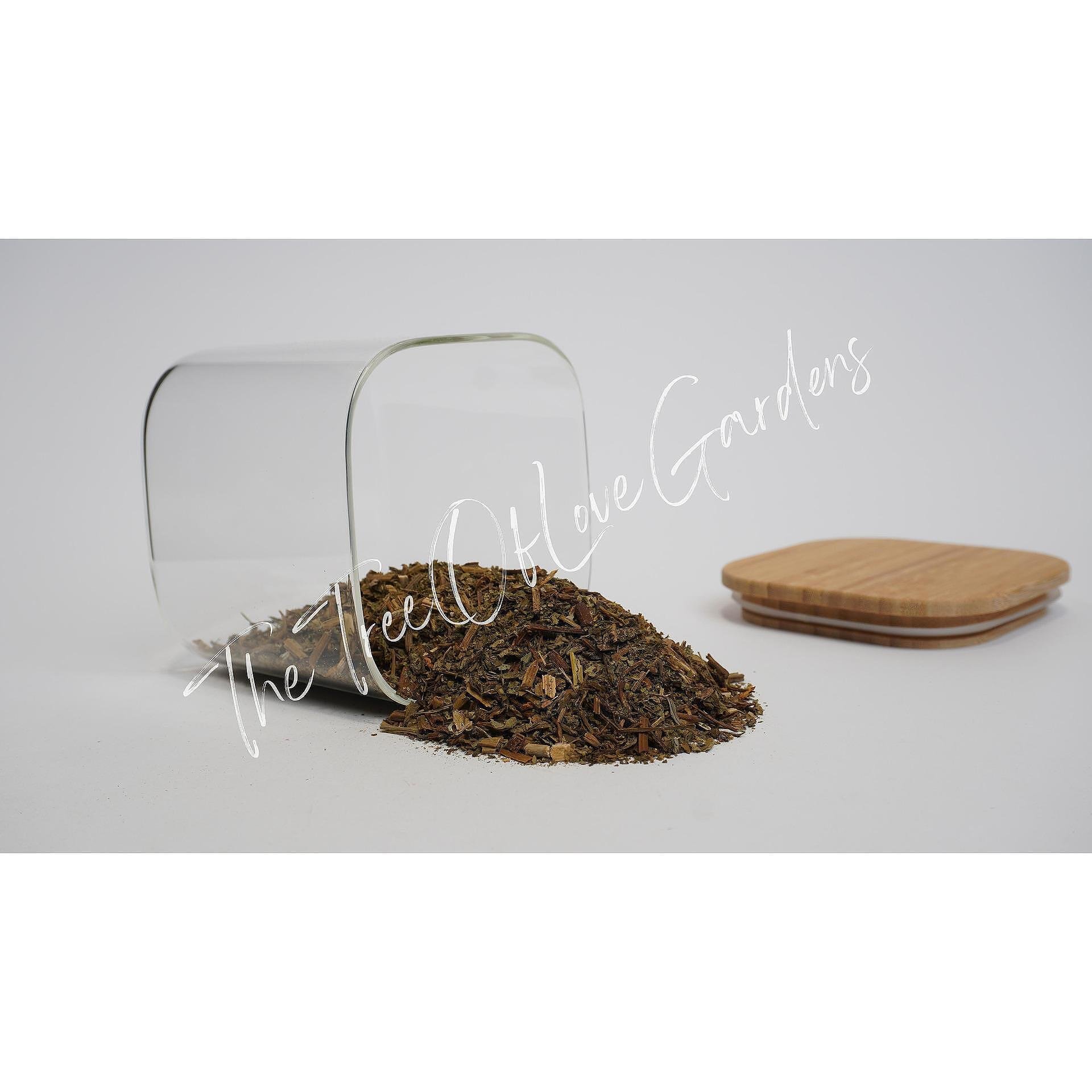
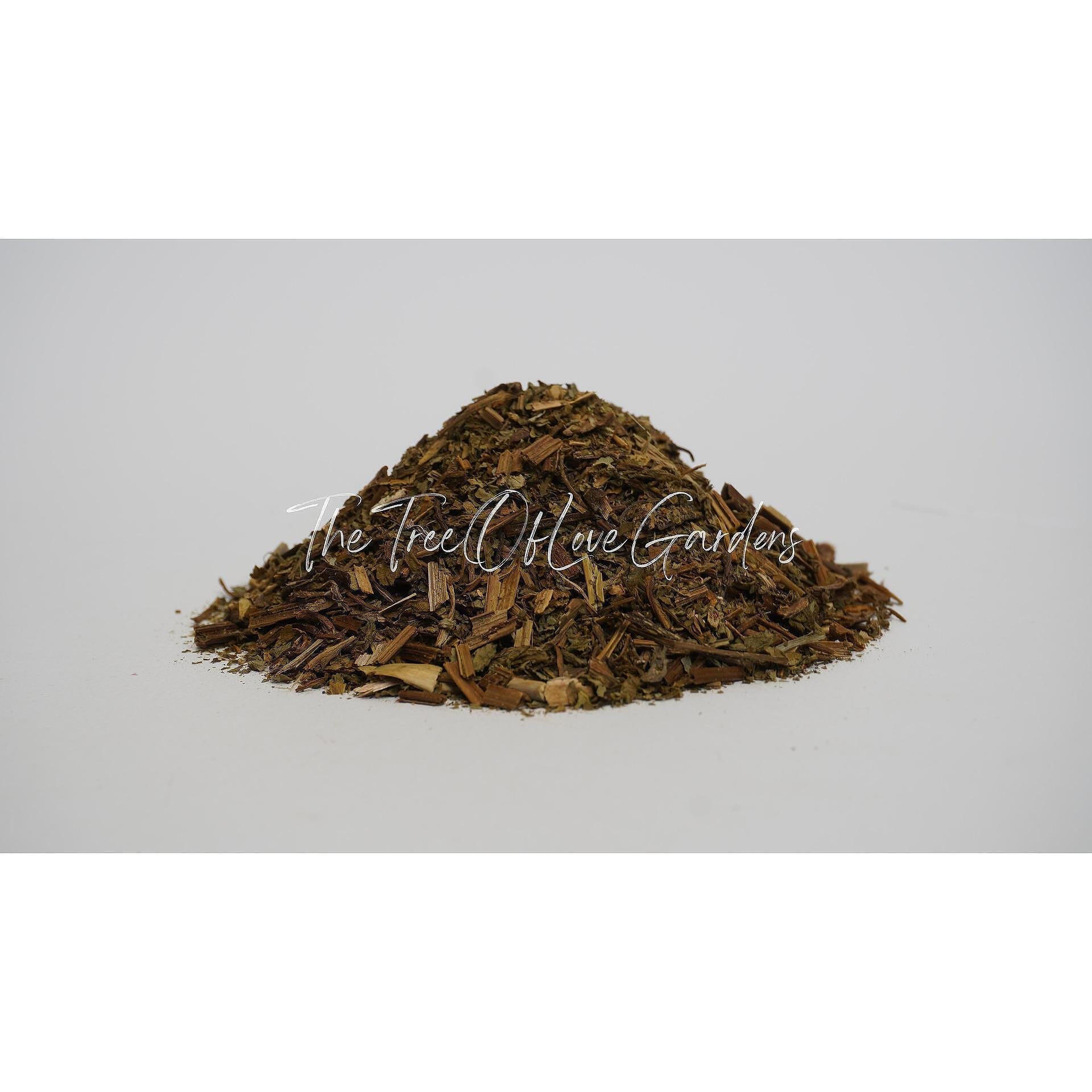
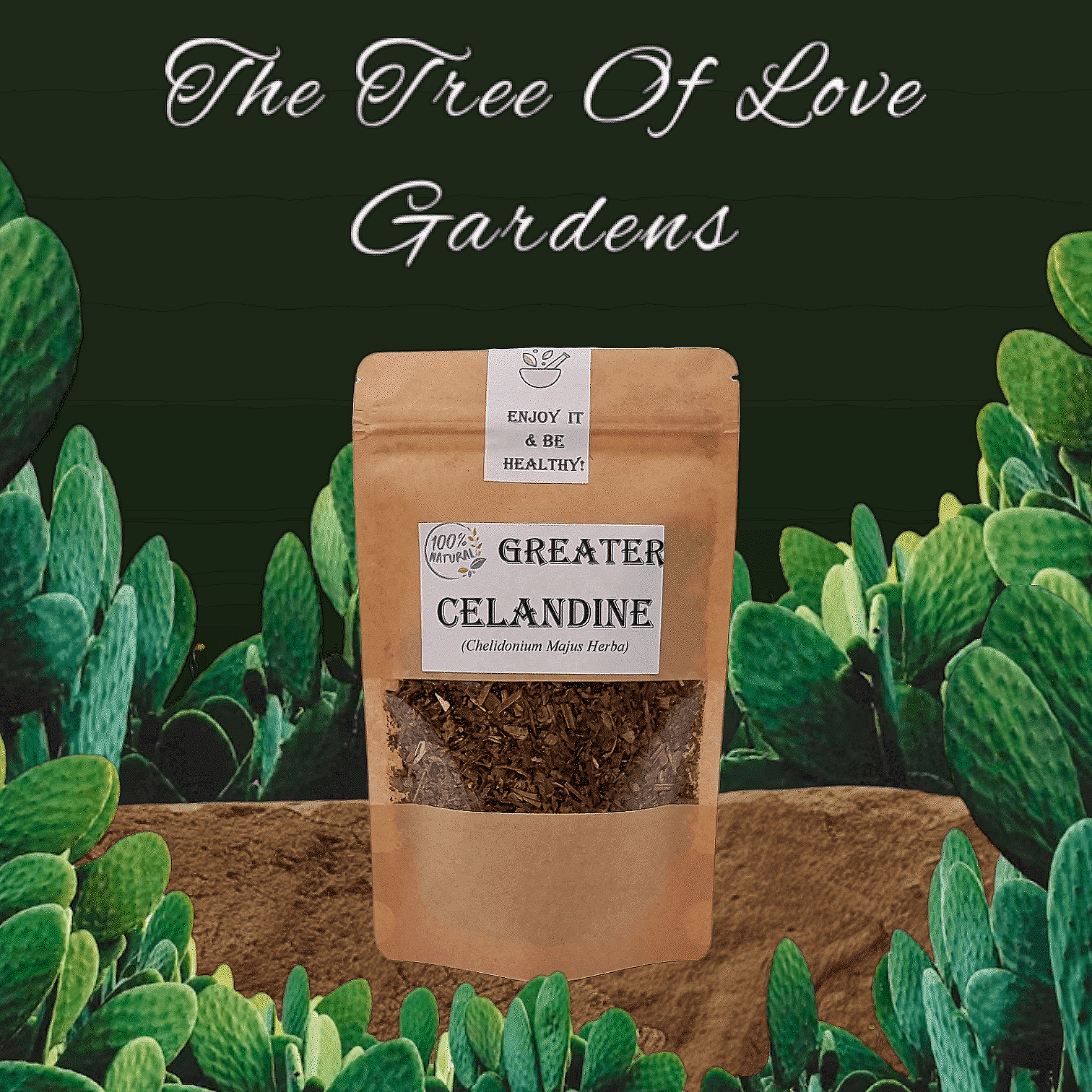
Our greater celandine contains only the dried herb with nothing added. It is sold by weight, from small packs to bulk.
How to Use Greater Celandine Herb
- Botanical collections: Use the dried herb for herbal study, botanical identification and herbarium collections.
- External preparations: Herbalists use the dried herb in external preparations such as infused oils. Test on a small area of skin first and do not apply to broken skin.
- Handle with care: Wear gloves when handling larger amounts, and wash your hands after use.
Safety
Not for internal use. Greater celandine has been linked to cases of liver injury when taken internally. Do not use during pregnancy or while nursing, and do not give to children. For external use, test on a small area of skin first and avoid the eyes and broken skin. Keep out of reach of children and pets.
Frequently Asked Questions
Is calendine the same as celandine?
Yes. Calendine is a common spelling variation of celandine. This is greater celandine, Chelidonium majus.
Can I make tea from greater celandine?
We do not recommend it. Internal use of greater celandine has been linked to liver injury.
What is the difference between greater and lesser celandine?
Greater celandine, Chelidonium majus, is a poppy family plant with orange sap. Lesser celandine, Ficaria verna, is an unrelated buttercup family plant.
What part of the plant is included?
The dried aerial parts: leaves, stems and flowers.
How should I store it?
Keep it in an airtight container in a cool, dry and dark place, out of reach of children and pets.

Reviews
There are no reviews yet.