What Is Cedar Leaf Powder?
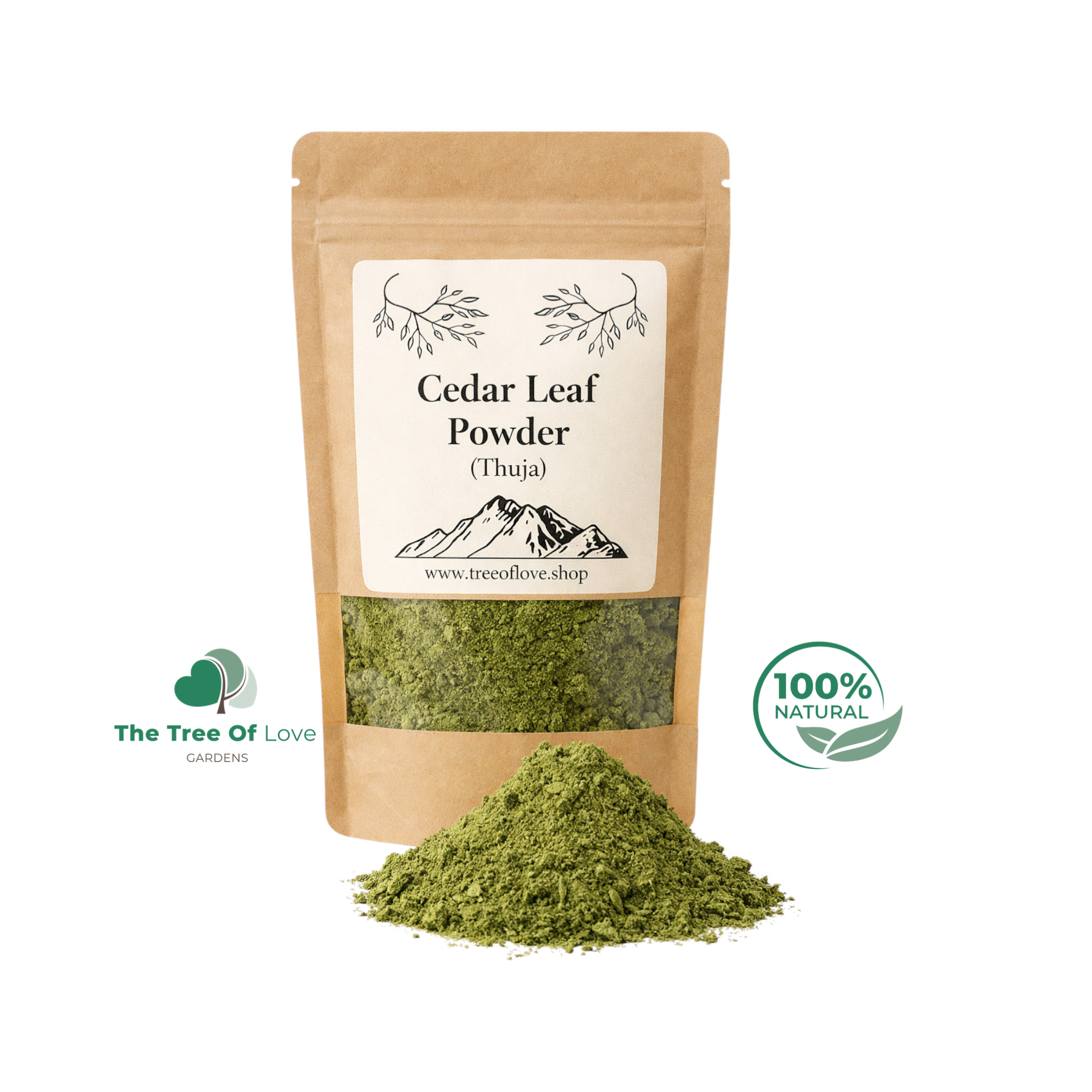
Cedar leaf powder is made from the dried, scale-like leaves of Thuja, an evergreen conifer of the cypress family also known as arborvitae or white cedar. Thuja is not a true cedar, but its foliage has the same warm, woody and resinous scent, which is why it has long been called cedar. The best known species are northern white cedar (Thuja occidentalis) and western red cedar (Thuja plicata).
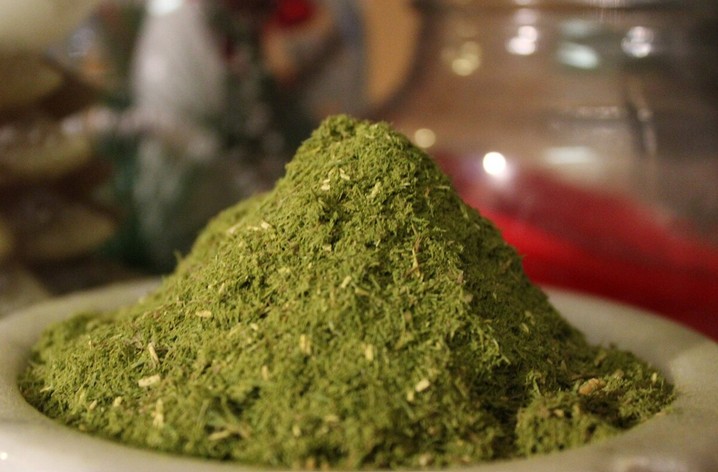
The flat, fan-shaped sprays of leaves are dried and milled into a fine green powder. Crushed Thuja leaves release an intense, sharp evergreen fragrance, and the powder keeps that scent well.
In North America, cedar leaves are a traditional smudging plant, burned for their cleansing scent. In Europe, Thuja has been planted for centuries in gardens and around old churches and cemeteries. Today cedar leaf powder is used mainly for its fragrance and color.
Makers use it as a base for homemade incense cones and sticks, in loose incense and smudge blends, in drawer sachets and moth bags, and to add a natural green tint and woody scent to handmade soap, bath salts and candles.
Our cedar leaf powder contains only ground Thuja leaves with nothing added. It is sold by weight, from small packs to bulk.
How to Use Cedar Leaf Powder
- Loose incense: Sprinkle a pinch on a hot charcoal disc, alone or mixed with resins such as frankincense.
- Incense cones: Mix with makko powder or another binder and a little water, shape into cones and dry for several days.
- Sachets: Fill small cotton bags with the powder or blend it with dried lavender for closets and drawers.
- Soap and crafts: Add a small amount to cold process soap, bath salts or candles for color and scent.
Safety
For aromatic and external use only. Do not eat or drink. Thuja contains thujone, which can be harmful if swallowed. Do not use during pregnancy. Test on a small area of skin before using in soap or bath products. Use incense in a well-ventilated room. Keep out of reach of children and pets.
Frequently Asked Questions
Is Thuja a real cedar?
No. Thuja belongs to the cypress family. It is called cedar, white cedar or red cedar because of its cedar-like scent.
Can I make tea from cedar leaf powder?
No. Thuja leaves contain thujone, which can be harmful when taken internally. This powder is for aromatic and external use only.
What can I use cedar leaf powder for?
Incense, smudge blends, sachets, potpourri, soap, bath salts and other crafts.
What does it smell like?
It has a strong, fresh, woody and resinous evergreen scent.
How should I store it?
Keep it in an airtight container in a cool, dry and dark place.

Reviews
There are no reviews yet.