What Are Dwarf Elder Berries?
Dwarf elder (Sambucus ebulus), also called danewort or dwarf elderberry, is a close relative of the common black elder. Unlike the elder tree, it is a herbaceous plant that dies back to the ground each winter and grows back each spring, reaching about 3 to 6 feet (1 to 2 m) tall. It grows in large stands along roadsides, forest edges and fields across Europe and western Asia.
In summer dwarf elder carries flat clusters of white flowers with a faint almond scent, followed by upright clusters of small, glossy, black-purple berries. You can tell it apart from black elder by its upright berry clusters and its strong, unpleasant smell when the leaves are crushed.
In Bulgaria and the Balkans the berries have a long folk tradition. They are slowly cooked for many hours into a thick, dark preserve, and the deep purple juice has been used for generations as a natural dye for wool, fabric and Easter eggs.
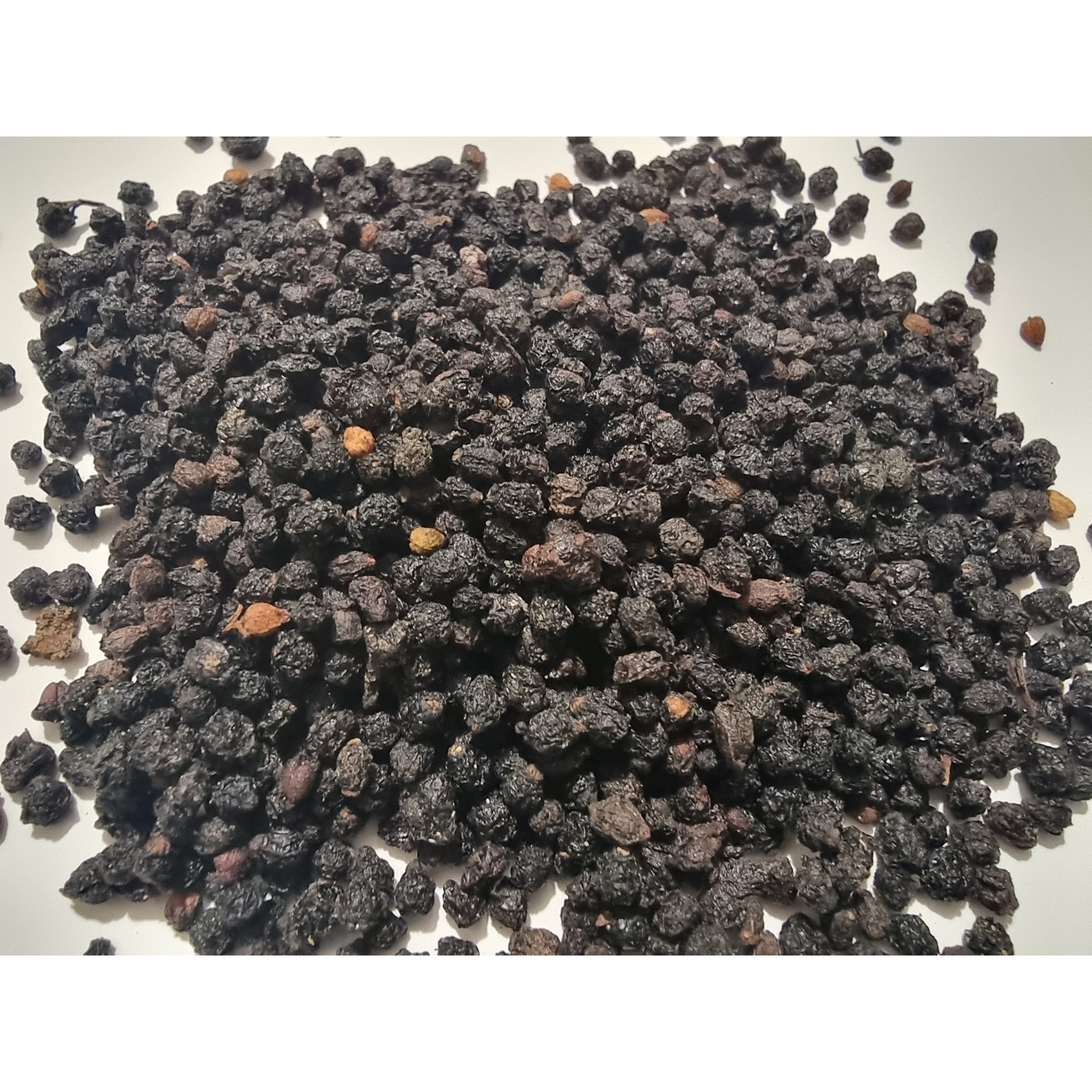
Today the dried berries are mostly used by people who follow these traditional recipes, by natural dyers and by makers of inks and craft colors. They are a specialty botanical and should be handled with care, as the berries are not safe to eat raw.
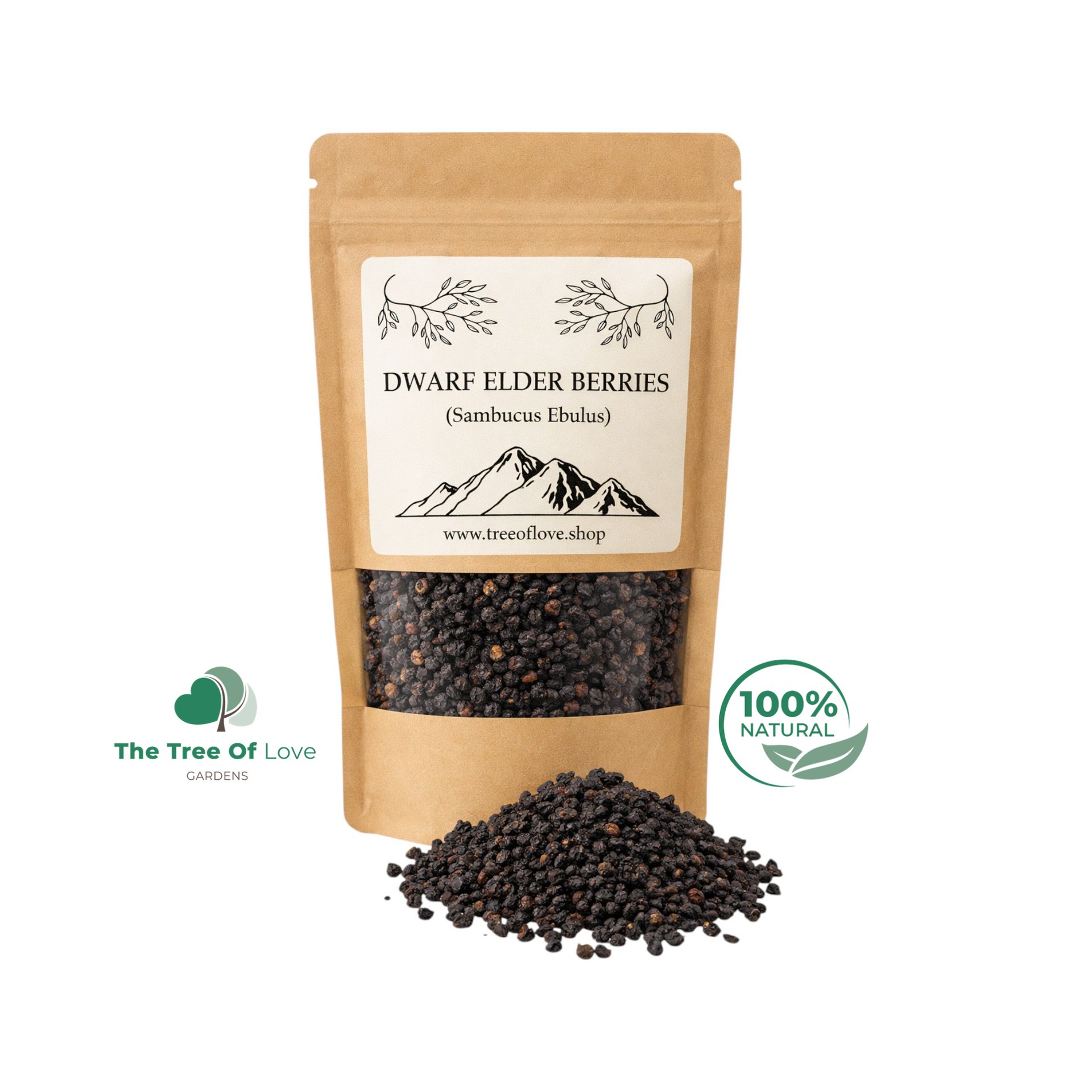
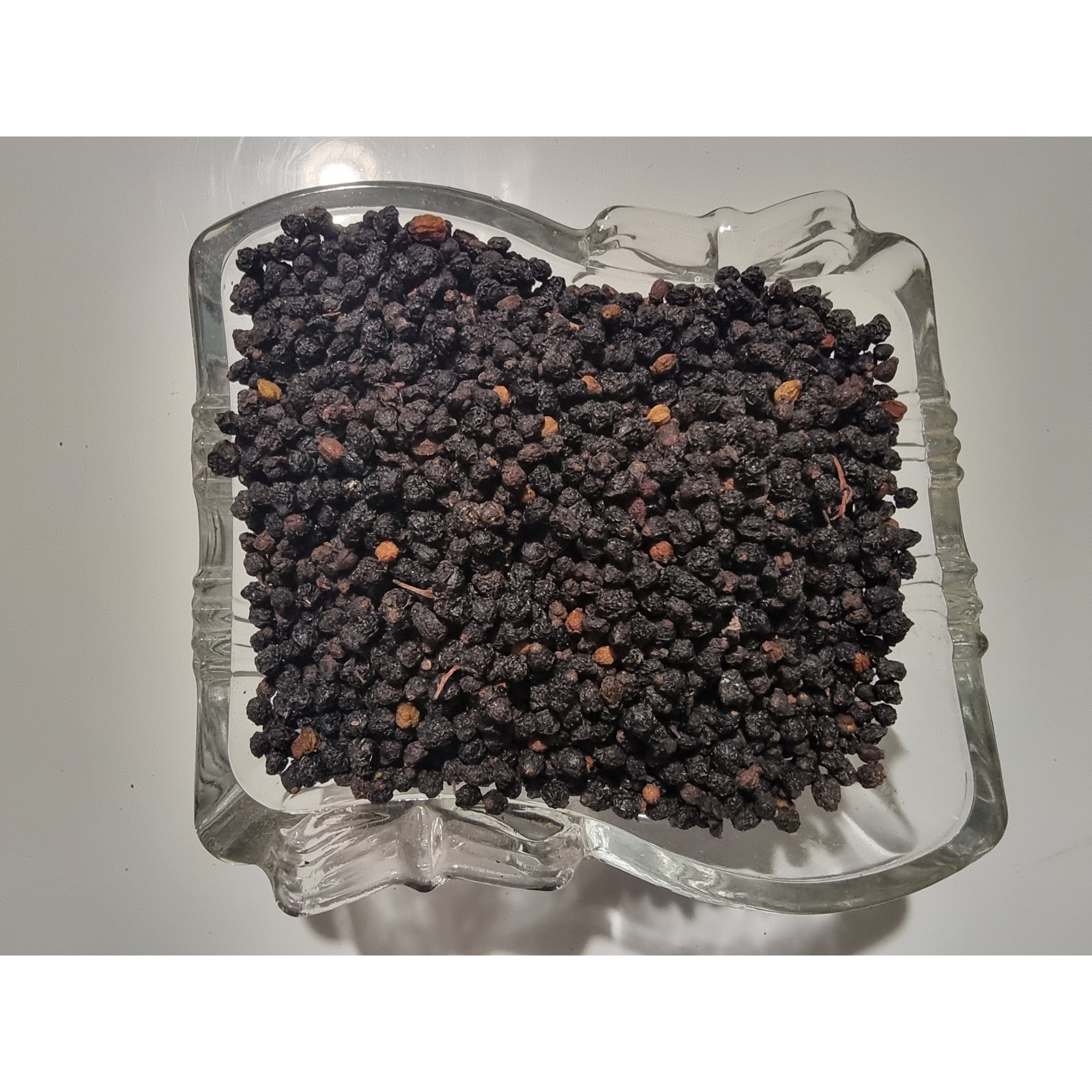
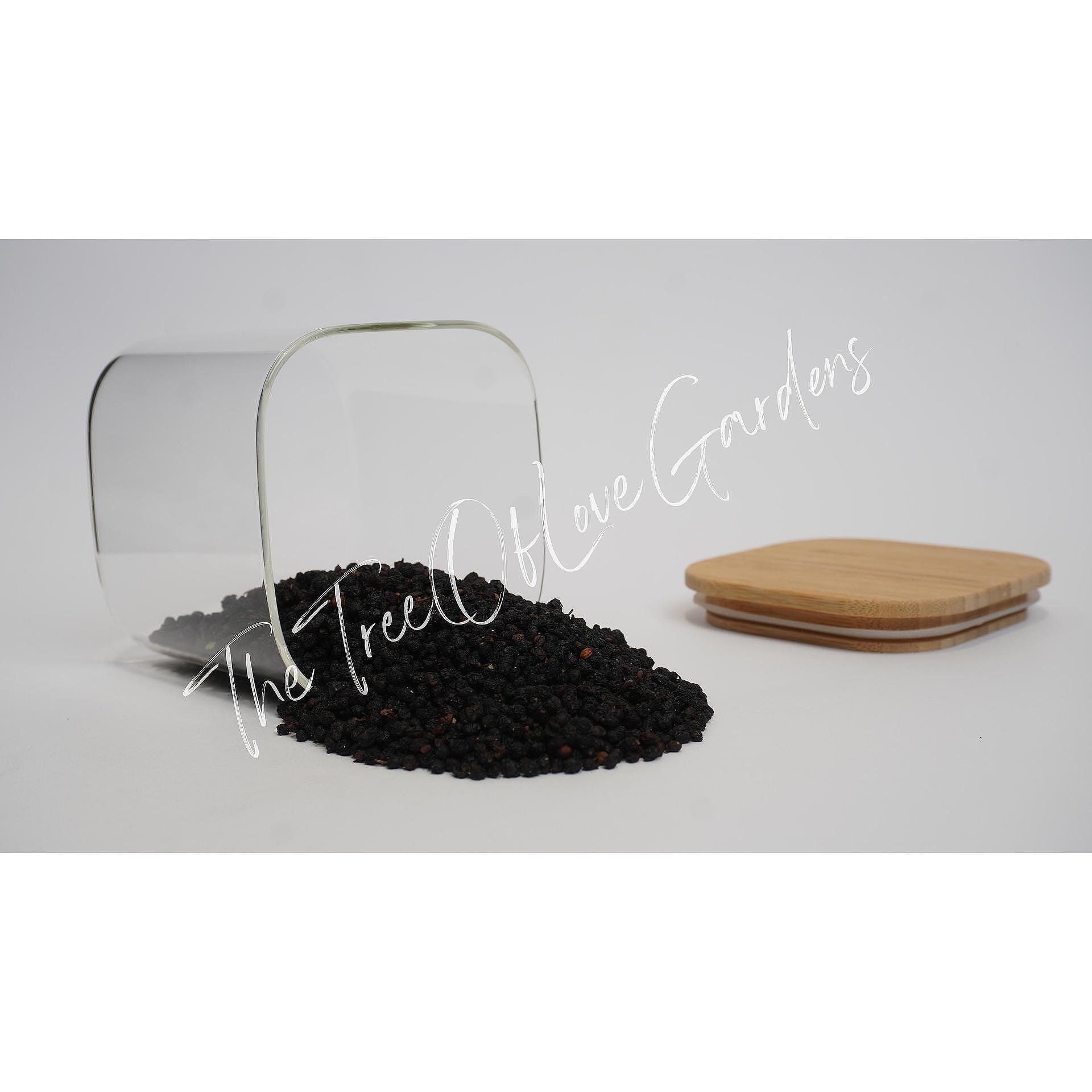
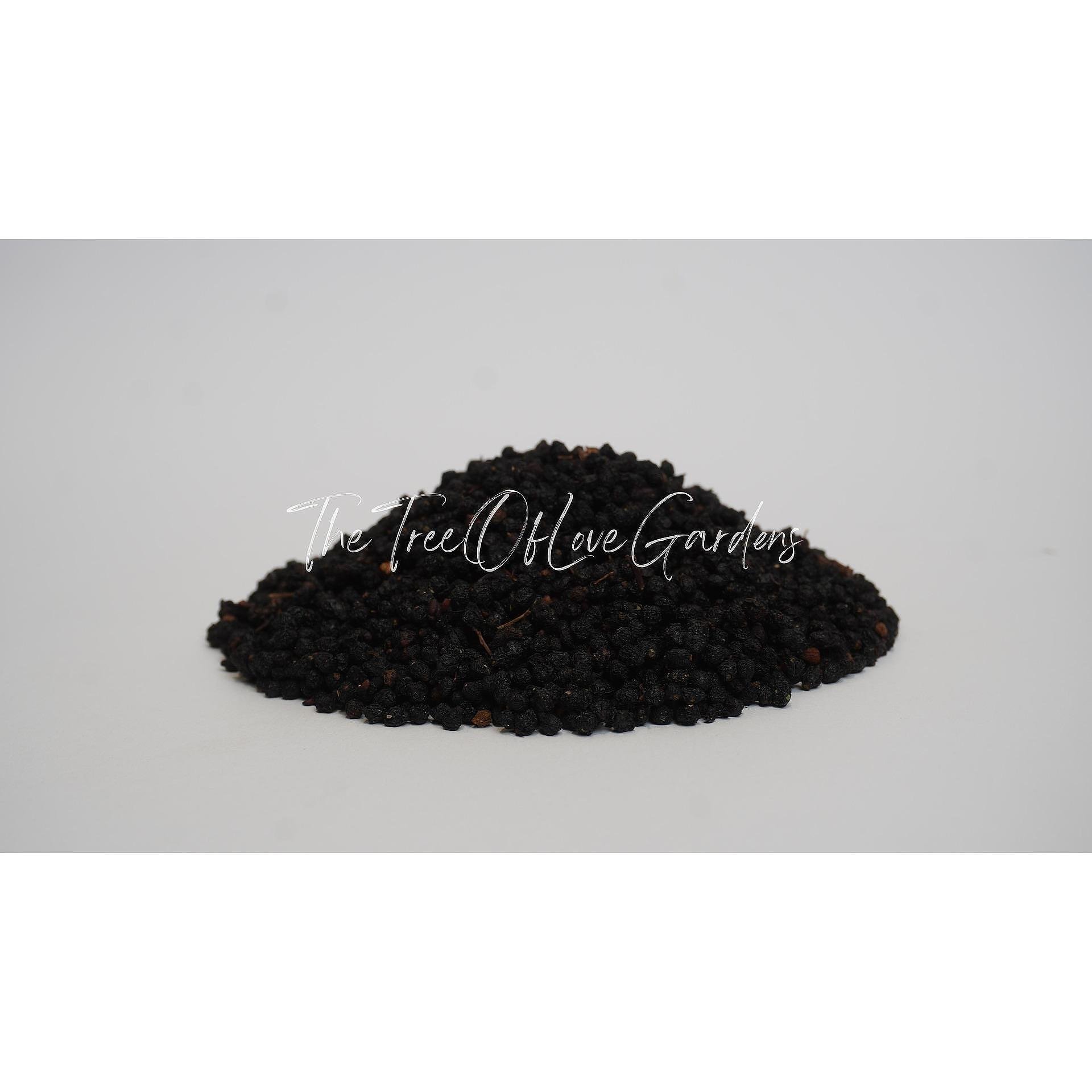
Our dwarf elder berries contain only dried Sambucus ebulus berries. They are sold by weight, from small packs to bulk.
How to Use Dwarf Elder Berries
- Natural dye: Simmer the berries in water for 30 to 60 minutes, strain and use the purple dye bath for wool, cotton, paper or eggs. Results vary with the fabric and mordant used.
- Craft ink: Simmer a small amount of berries with a little water, strain well and add a pinch of salt or gum arabic to make a simple purple ink.
- Traditional preserves: In Balkan tradition the berries are only used after long cooking. Follow a trusted traditional recipe and never use the berries raw.
Safety
Never eat dwarf elder berries raw. All parts of Sambucus ebulus contain compounds that can cause nausea, vomiting and other symptoms if not properly prepared. Do not use during pregnancy or while nursing, and do not give to children. Consult a qualified healthcare professional before any internal use. Keep out of reach of children and pets.
Read our full guide: Dwarf elder berries: traditional uses and preparation
Frequently Asked Questions
Is dwarf elder the same as elderberry?
No. Dwarf elder is Sambucus ebulus, a smaller, herbaceous plant. The common elderberry is Sambucus nigra, a shrub or small tree.
Can I eat dwarf elder berries?
Never raw. Dwarf elder berries are considered more toxic than black elderberries when uncooked. In folk tradition they were only used after very long cooking. If you are unsure, use them for dyeing and crafts only.
What is danewort?
Danewort is an old English name for dwarf elder, Sambucus ebulus.
What colors do dwarf elder berries give?
They give purple, violet and blue-gray tones, depending on the fabric and mordant.
How should I store the berries?
Keep them in an airtight container in a cool, dry and dark place, away from children and pets.

Reviews
There are no reviews yet.