What Is Wild Asparagus Root?
Wild asparagus root comes from Asparagus officinalis, the same perennial plant whose young spring shoots we eat as asparagus. Below ground the plant forms a large crown with many thick, fleshy roots that store energy and allow it to come back year after year, often for decades.
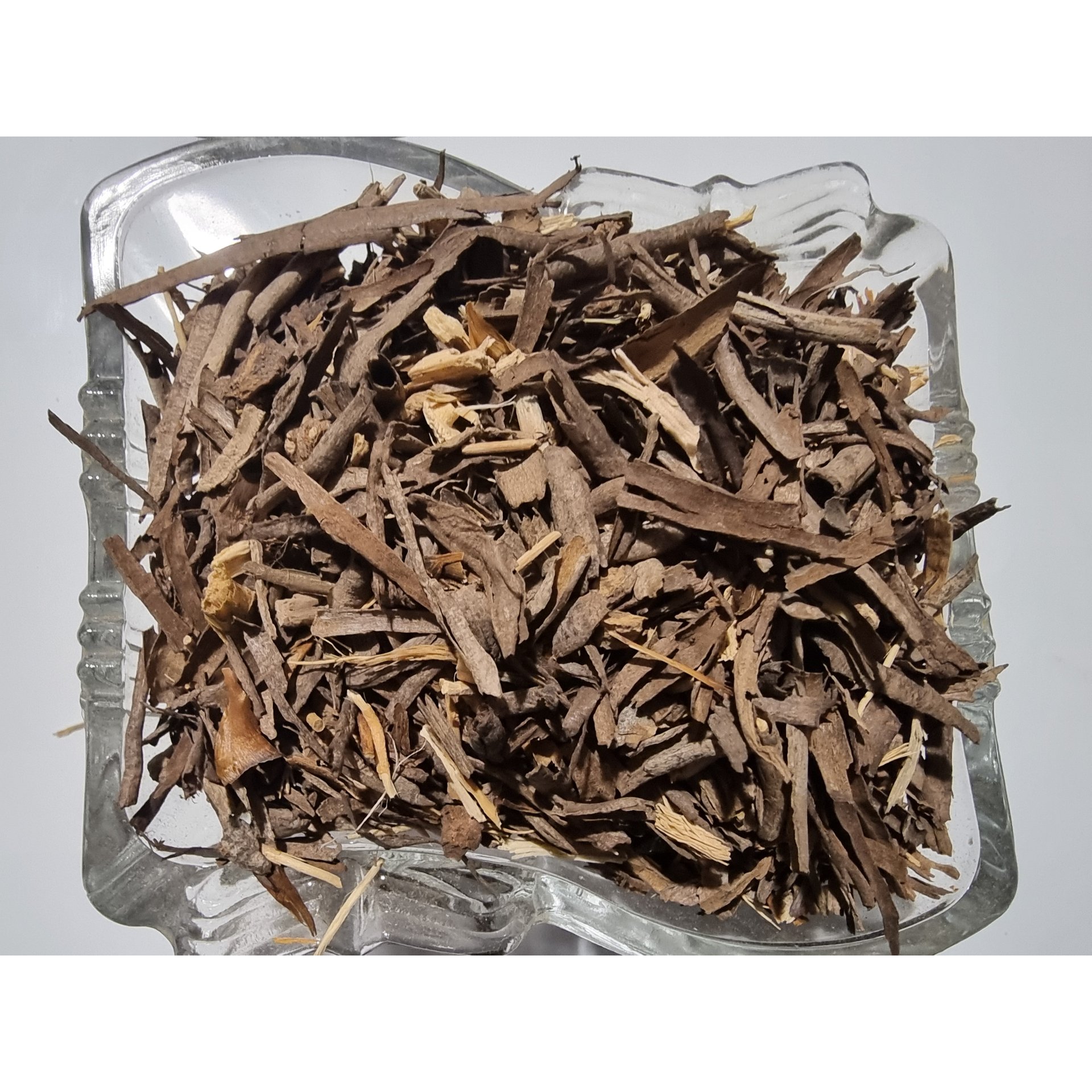
Asparagus grows wild across Europe, North Africa and western Asia, in sandy meadows, river valleys and along coasts. The roots are dug, cleaned, cut and dried. In the cup they give a light, mild tea with an earthy and slightly sweet taste.
Asparagus root has a long history in European folk herbalism, where it was traditionally prepared as a root tea or decoction. The older Latin name for the root, Asparagi radix, still appears in herbal books. The roots were usually collected in autumn, after the green ferny tops had turned yellow, when the plant had stored the most energy underground.
Please note that Asparagus officinalis root is not shatavari. Shatavari, the root used in Ayurveda, comes from a different species, Asparagus racemosus. The two plants are related but are not the same.
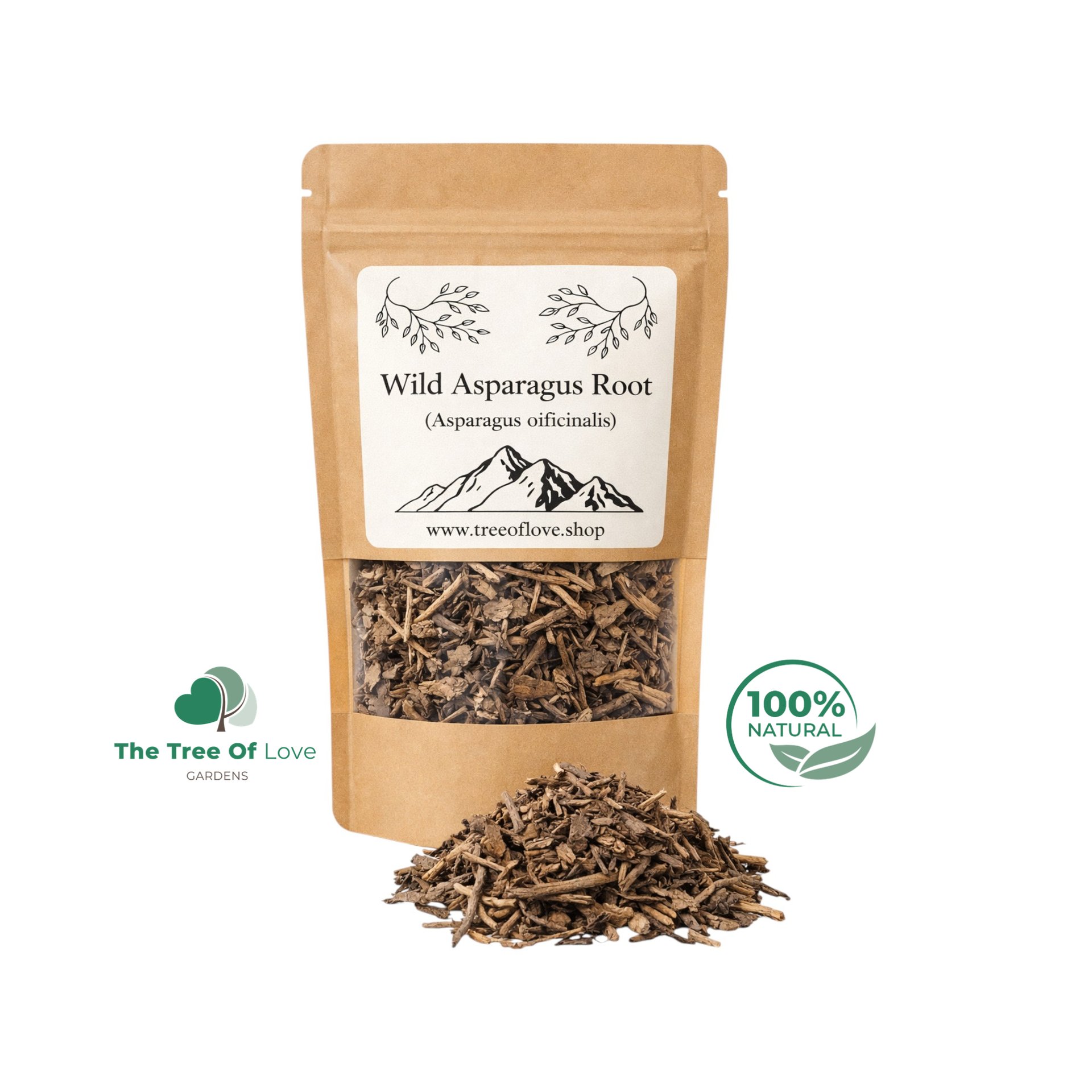
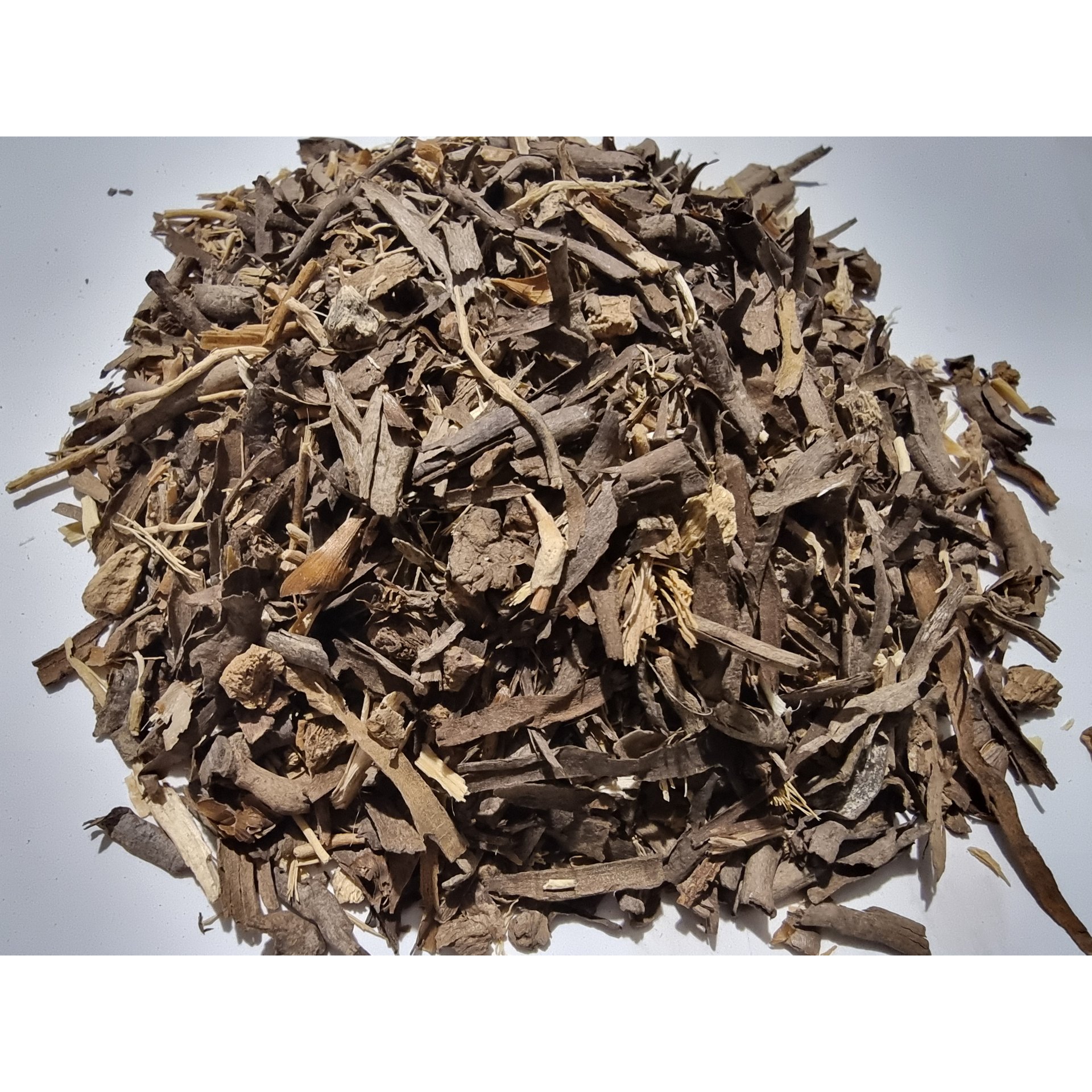
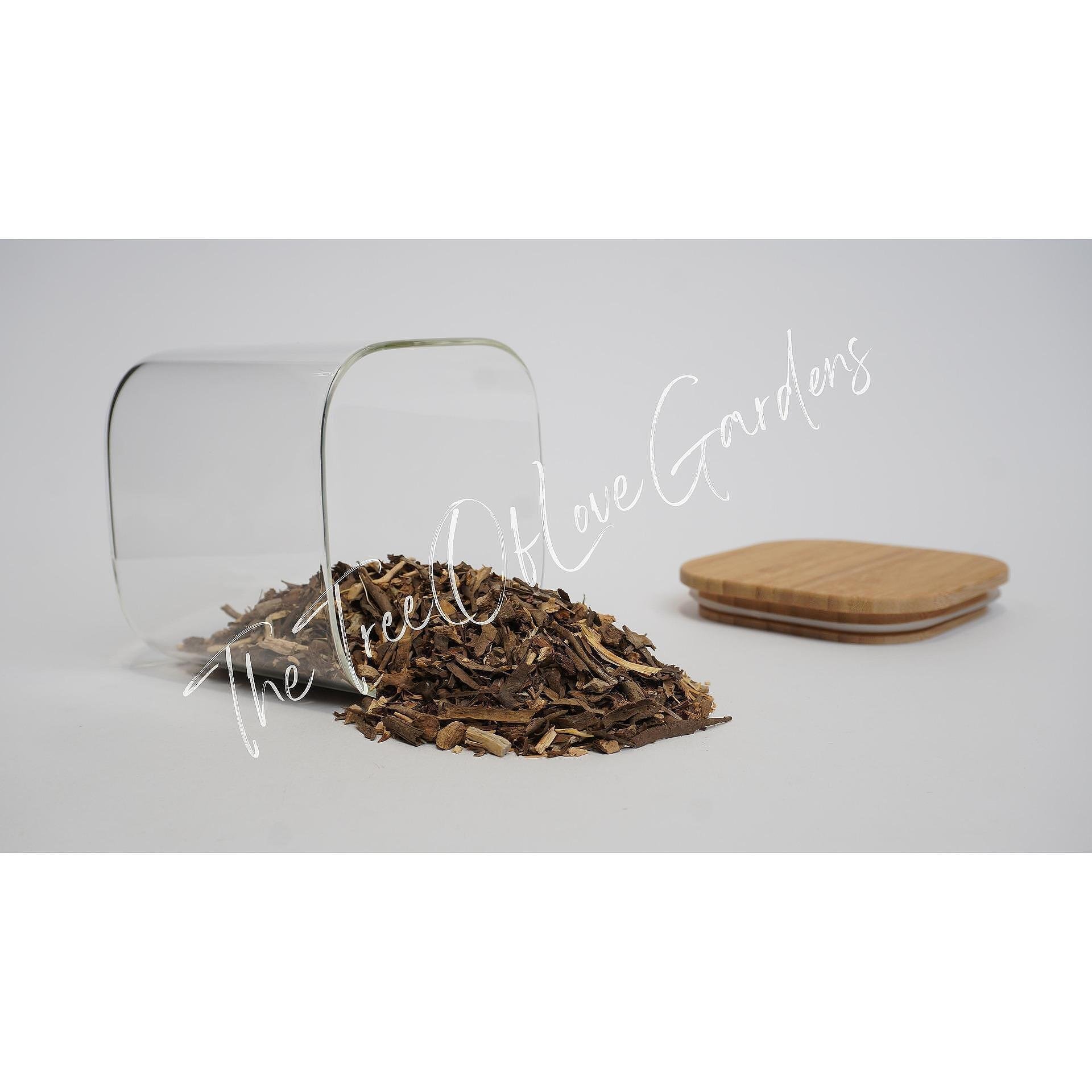
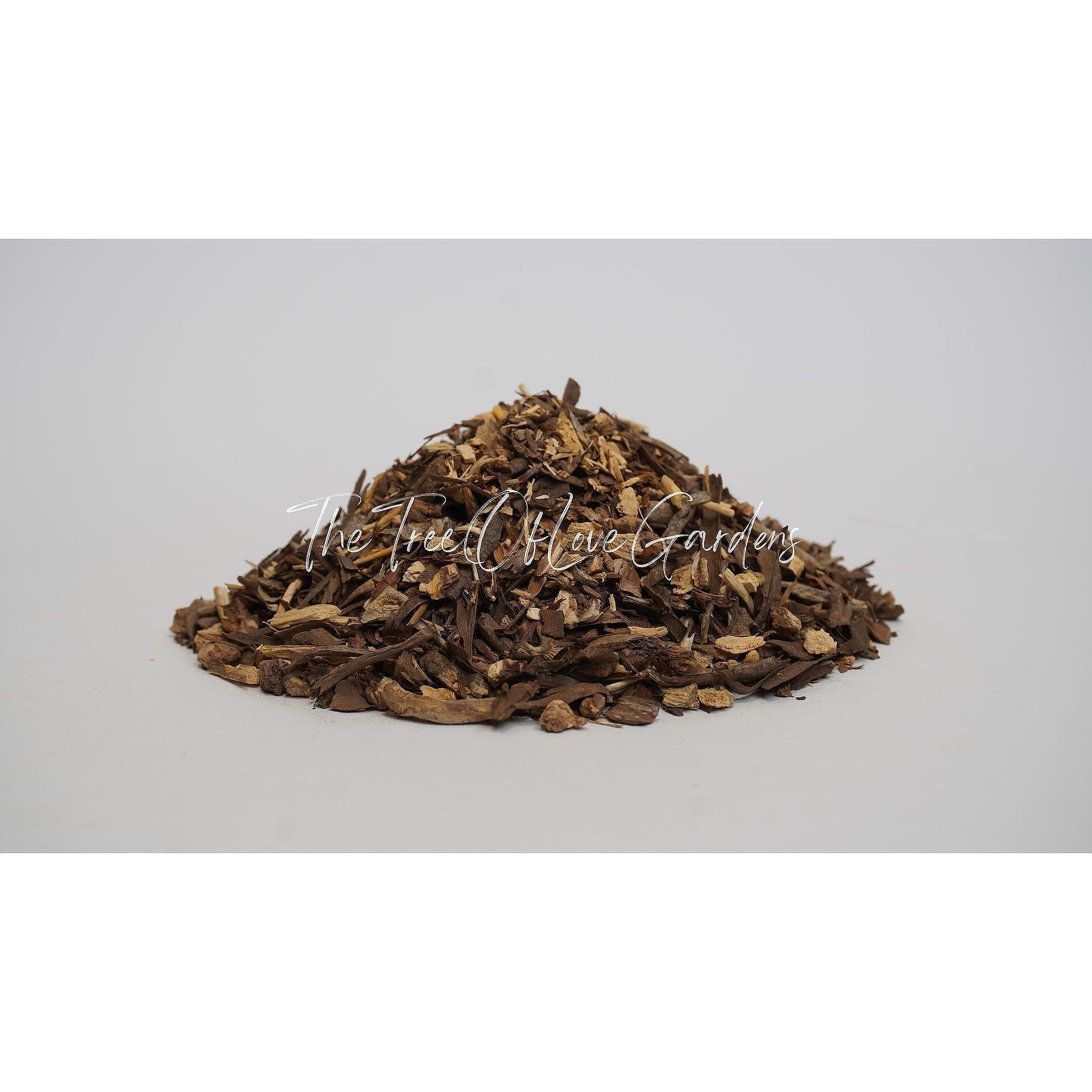
Our wild asparagus root contains only dried Asparagus officinalis root with nothing added. It is sold by weight, from small packs to bulk.
How to Use Wild Asparagus Root
- Root tea: Simmer 1 to 2 teaspoons (about 3 to 5 g) of dried root in 1 1/2 cups (12 fl oz / 350 ml) of water for 10 to 15 minutes. Strain and drink warm.
- Cold infusion: Soak the root in cold water for 6 to 8 hours, then strain for a milder, sweeter taste.
- Blends: Combine with other roots such as dandelion or burdock root, or with mint for a fresher taste.
Safety
Avoid if you are allergic to asparagus or other plants of the lily family. If you are pregnant, nursing, taking medication or have a medical condition, consult a qualified healthcare professional before use. Keep out of reach of children.
Read our full guide: How to make asparagus root tea: our guide
Frequently Asked Questions
Is wild asparagus root the same as shatavari?
No. This is Asparagus officinalis root. Shatavari is Asparagus racemosus, a related but different species used in Ayurveda.
Is this the same plant as garden asparagus?
Yes. It is the root of Asparagus officinalis, the plant that produces the asparagus shoots we eat.
What does asparagus root tea taste like?
It is mild, earthy and slightly sweet.
Is asparagus root tea caffeine free?
Yes. It contains no caffeine.
How should I store the root?
Keep it in an airtight container in a cool, dry and dark place.

Reviews
There are no reviews yet.