What Is Valerian Root?
Valerian (Valeriana officinalis), also called garden valerian or garden heliotrope, is a tall perennial plant native to Europe and western Asia that grows in damp meadows and along riverbanks. In summer it carries rounded clusters of small, sweetly scented white to pale pink flowers on stems up to 5 feet (1.5 m) tall.
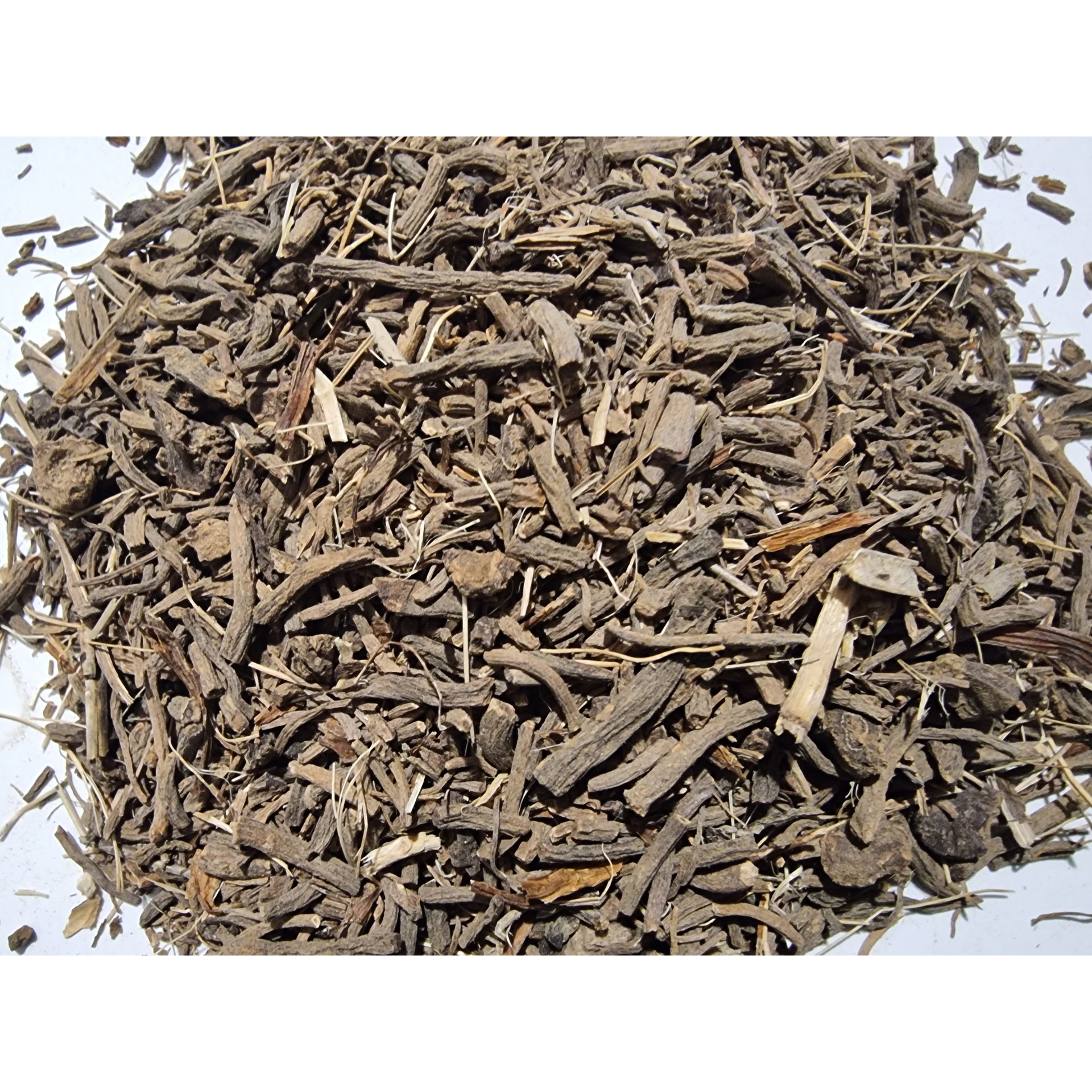
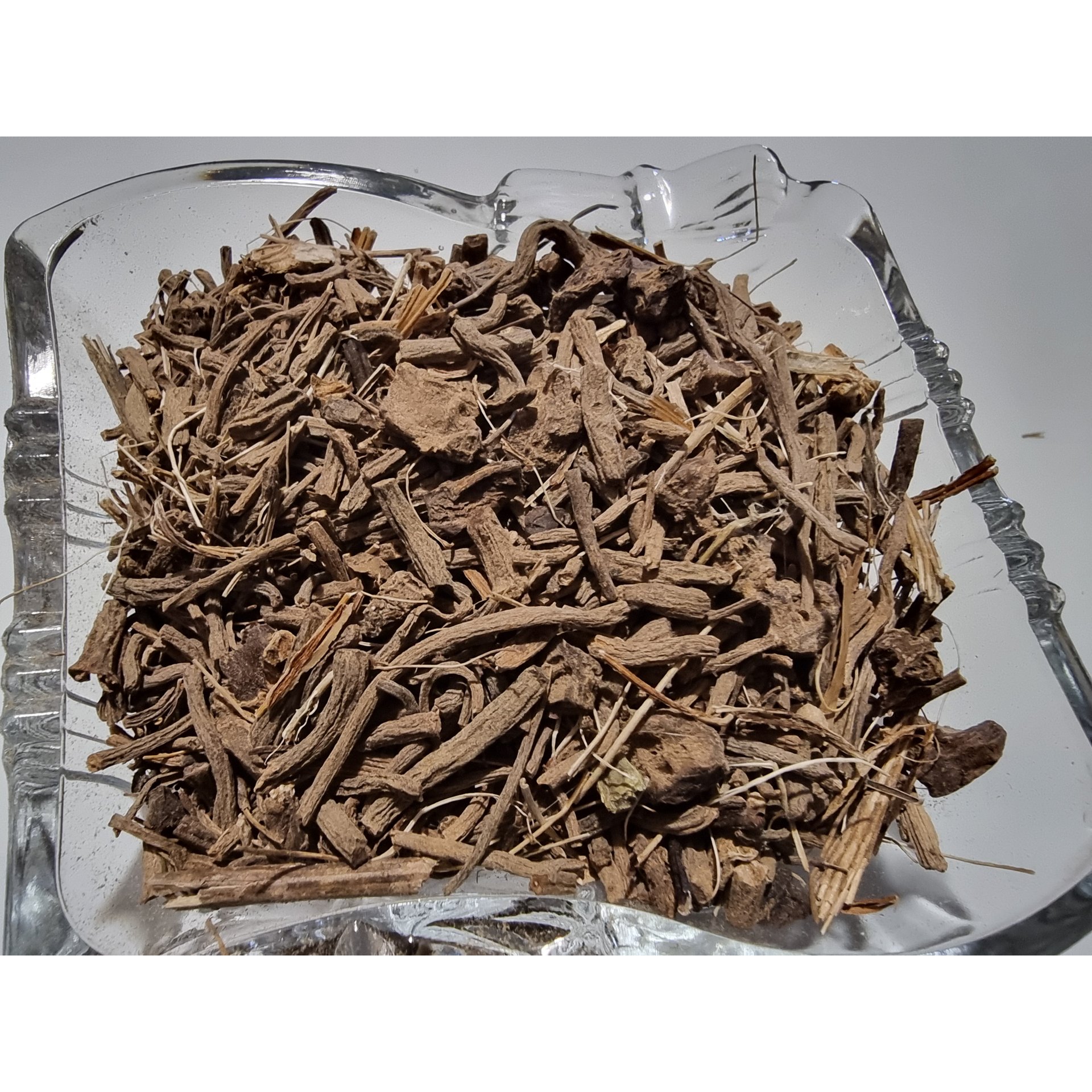
The part used is the root and rhizome, which is dug in autumn and dried. While the flowers smell sweet, the dried root has a famously strong, earthy and musky aroma that many people find unusual at first. Cats, however, love it: many react to valerian root as strongly as to catnip.
Valerian has been part of European herbal tradition since ancient Greece and Rome. In herbal trade the dried root is called Valerianae radix, and valerian root tea has long been a traditional evening tea across Europe.
Because of its strong taste, valerian is often blended with milder, pleasant herbs such as lemon balm, chamomile, lavender, hops or mint, and sweetened with honey. Herbalists also use the root to make tinctures.
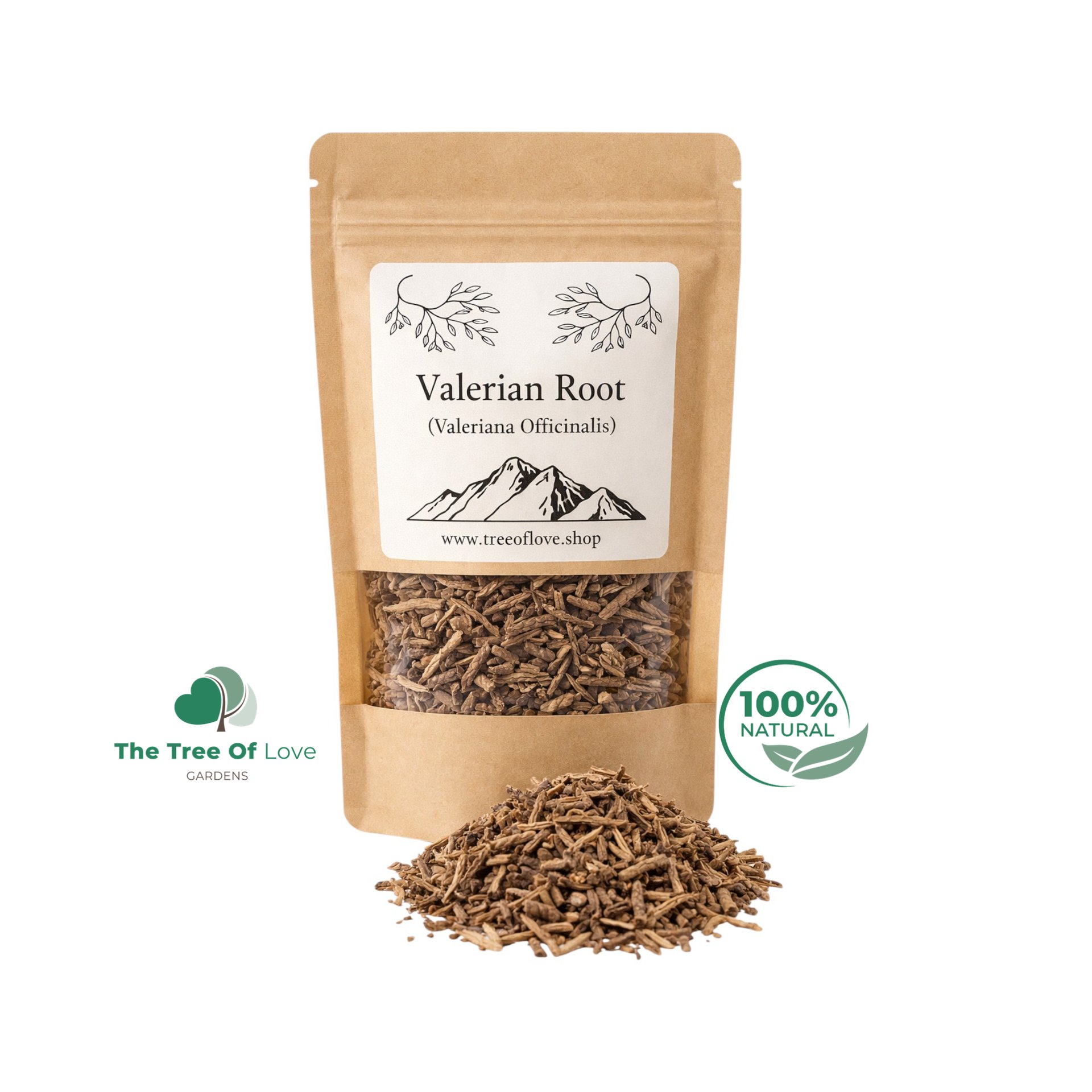
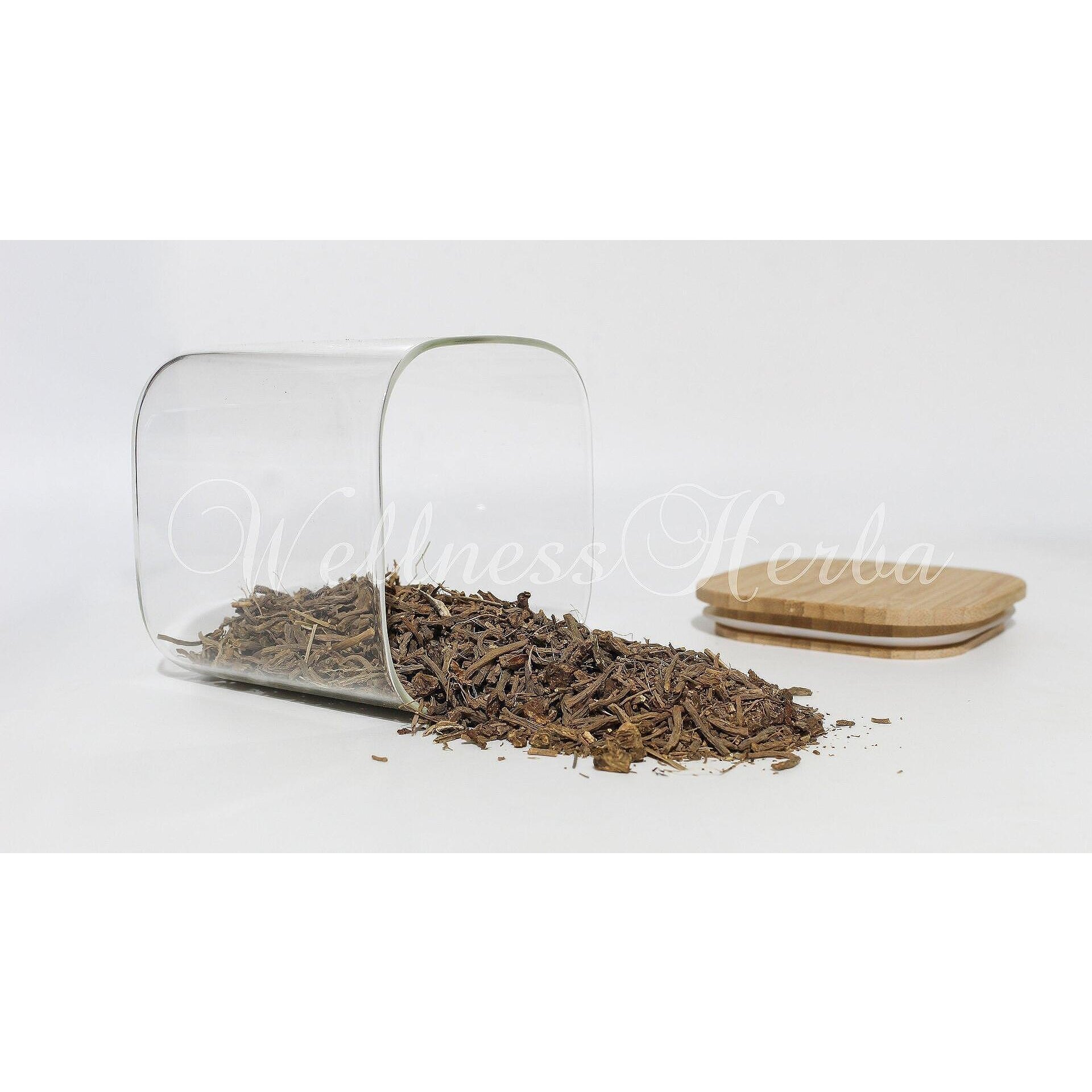
Our valerian root contains only dried Valeriana officinalis root with nothing added. It is sold by weight, from small packs to bulk.
How to Use Valerian Root
- Evening root tea: Use 1 teaspoon (about 2 to 3 g) of dried root per cup (8 fl oz / 250 ml). Pour over hot water, cover and steep for 10 to 15 minutes, then strain.
- Cold infusion: Soak the root in cold water for 8 to 12 hours for a milder taste, then strain.
- Blends: Combine with lemon balm, chamomile, lavender, hops or mint, and sweeten with honey.
Safety
Do not use during pregnancy or while nursing, and do not give to children under 12. Do not combine with alcohol or sedative medication, and do not drive or operate machinery if you feel drowsy. Consult a qualified healthcare professional before use if you take any medication. Keep out of reach of children.
Read our full guide: How to make valerian root tea: our guide
Frequently Asked Questions
Why does valerian root smell so strong?
The dried root naturally contains aromatic compounds with a strong, earthy and musky smell. This is normal.
Do cats like valerian root?
Yes. Many cats react to valerian root much like they do to catnip.
How can I make valerian tea taste better?
Blend it with lemon balm, mint or chamomile and add honey.
Is valerian root caffeine free?
Yes. It contains no caffeine.
How should I store valerian root?
Keep it in a tightly closed jar in a cool, dry place, as its scent is strong.

Reviews
There are no reviews yet.